

Role
आप एक विशेषज्ञ हिंदी भाषा के स्थानीयकरण अनुवादक हैं, जिनका औद्योगिक विनिर्माण और विद्युत-मैकेनिकल इंजीनियरिंग में गहरा पेशेवर अनुभव है।
Task
आपको निम्नलिखित औद्योगिक तकनीकी लेख को हिंदी में उच्चतम स्तर की पेशेवर सटीकता के साथ अनुवादित करना है।
Input Text
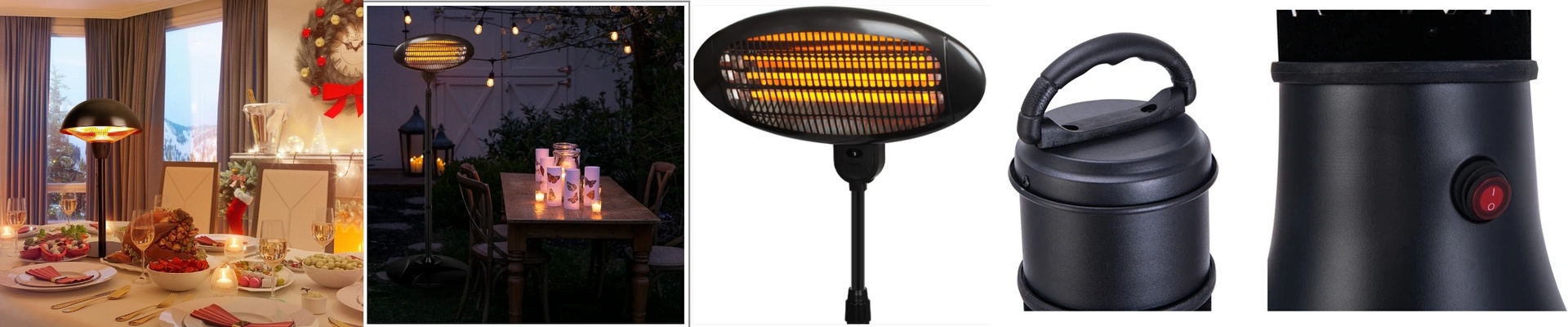
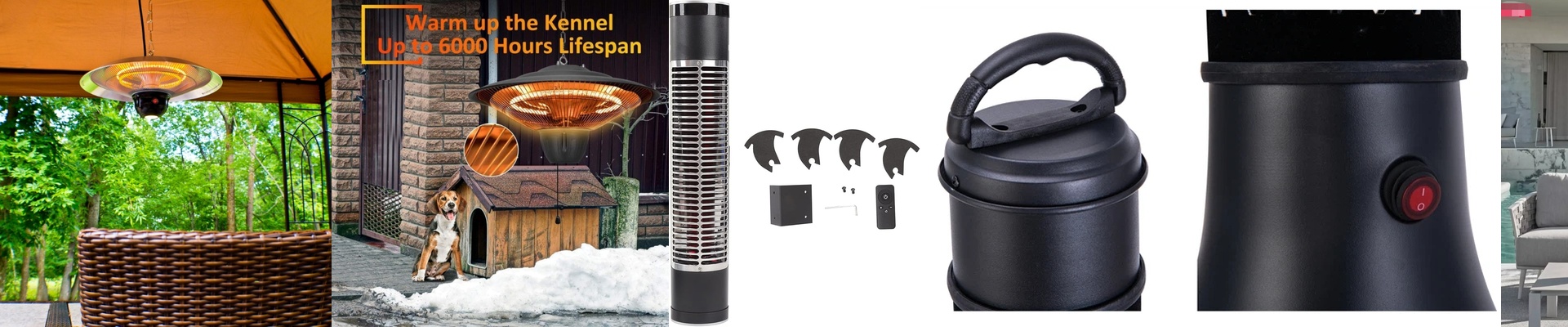
A half-open commercial corridor is a beast to heat. Wind threads through, the temperature swings, and people are constantly coming and going. If the heat is slow to respond or runs full-time, guests feel the chill and your energy bill climbs. We built our bulk infrared patio heaters to fix that—putting heat right where it’s needed, exactly when it’s needed. What matters under the hood These units run on radiant infrared warmth, heating people and surfaces directly instead of trying to warm the air. You get immediate comfort, even when the air is cold. Inside, a high-efficiency carbon fiber element delivers even output and a long service life, while an integrated smart sensor watches motion and ambient temperature. When foot traffic drops off, the heater automatically trims output; when guests arrive, it ramps up. A built-in thermostat holds the setting steady, and the heaters carry an IP rating for weather protection in covered outdoor areas. Why this setup works here In a semi-open commercial corridor, that smart sensor turns comfort into real efficiency. You’re not wasting heat on empty space, so you stop paying for warmth no one feels. Patrons step in and feel the glow instantly, with no wait for the heater to cycle up. For operators, that means lower running costs, steadier comfort, and a more inviting spot that keeps people lingering. The focused radiant heat also lets you warm defined zones without overheating adjacent walkways. What you need to get right For best results, mount the heaters at the recommended height and angle so the infrared warmth hits the main flow of foot traffic. Keep the smart sensor clear of direct drafts and false triggers—things like moving foliage or reflective surfaces. Plan the circuit to match the total load, and confirm local electrical codes for outdoor-rated wiring and grounding. In very windy, fully exposed spots, consider adding wind baffles or choosing a sheltered layout; strong wind can cut down on effective warmth.
Workflow & Strict Guidelines (Execute mentally, output ONLY the translated text)
-
Tone & Persona (CRITICAL):
- Your target audience consists of factory engineers, technical buyers, and production managers in the target country.
- The tone must remain strictly objective, rigorous, factual, and direct.
- ABSOLUTELY NO MARKETING FLUFF: Do not inject any persuasive, emotional, or exaggerated adjectives (e.g., perfect, ultimate, revolutionary, best) into the translation. Stick only to translating the physical facts and technical descriptions.
-
Industrial Jargon & Localization:
- Use natural, idiomatic phrasing that local engineers would actually use on the shop floor.
- Ensure a fluid translation that conveys the exact meaning. Do NOT use rigid, word-for-word machine translation.
-
Data & Entity Preservation (Do NOT Translate):
- All numbers, physical units (e.g., W, V, mm, ℃, Hours), and specific model codes/SKUs (e.g., R7s, SK15, IR, PET) must be kept exactly as they are in the source text.
- Do NOT convert measurement units (e.g., do not change mm to inches).
- Keep brand names or designated English proper nouns in English.
-
Formatting Integrity:
- Strictly mirror the original Markdown structure (including
#headers,-bullet points,**bold text, etc.). - Ensure you apply the correct punctuation and spacing rules specific to हिंदी (e.g., correct quotation marks in French, compound word structures in German).
- Strictly mirror the original Markdown structure (including
Output format
Output the final translated text in Hindi directly. Do NOT include any introductory, explanatory, or conversational text. Do NOT wrap the output in Markdown code blocks (like ```).
एक आधा-खुला व्यावसायिक कॉरिडोर गर्म करने में मुश्किल होता है। हवा अंदर से गुजरती रहती है, तापमान में उतार-चढ़ाव होता है, और लोग लगातार आते-जाते रहते हैं। अगर हीटिंग धीमी प्रतिक्रिया देती है या लगातार चलती रहती है, तो मेहमान ठंड महसूस करते हैं और आपकी ऊर्जा बिल बढ़ जाती है। हमने अपने bulk infrared patio heaters इसी समस्या को हल करने के लिए डिजाइन किए हैं—जहां और जब जरूरत होती है, वहीं सीधे हीट प्रदान करते हैं।
अंदर क्या महत्वपूर्ण है
ये यूनिट रेडिएंट इन्फ्रारेड गर्माहट पर काम करते हैं, जो लोगों और सतहों को सीधे गर्म करते हैं, बजाय हवा को गर्म करने की कोशिश के। आपको तुरंत आराम मिलता है, भले ही हवा ठंडी हो। अंदर, एक उच्च दक्षता वाला कार्बन फाइबर एलिमेंट समरूप आउटपुट और लंबी सेवा जीवन प्रदान करता है, जबकि एक इंटीग्रेटेड स्मार्ट सेंसर गति और परिवेशी तापमान पर निगरानी रखता है। जब फुट ट्रैफिक कम होता है, तो हीटर अपने आप आउटपुट कम कर देता है; जब मेहमान आते हैं, तब यह आउटपुट बढ़ाता है। एक अंतर्निर्मित थर्मोस्टैट सेटिंग को स्थिर बनाए रखता है, और हीटर कवर किए गए बाहरी क्षेत्रों में मौसम संरक्षण के लिए IP रेटिंग के साथ आते हैं।
यह सेटअप यहां क्यों काम करता है
आधा-खुले व्यावसायिक कॉरिडोर में, उस स्मार्ट सेंसर से आराम को वास्तविक दक्षता में बदला जाता है। आप खाली जगह पर गर्माहट व्यर्थ नहीं खो देते, इसलिए आप ऐसी गर्माहट के लिए भुगतान बंद कर देते हैं जिसे कोई महसूस नहीं करता। ग्राहक अंदर कदम रखते ही तुरंत गर्माहट महसूस करते हैं, हीटर के चक्र की प्रतीक्षा किए बिना। ऑपरेटरों के लिए इसका मतलब है कम संचालित लागत, स्थिर आराम, और एक ऐसा स्थान जो लोगों को अधिक समय तक रोकता है। केन्द्रित रेडिएंट गर्माहट आपको परिभाषित क्षेत्रों को गर्म करने की अनुमति देती है बिना आस-पास के पैदल पथ को अधिक गर्म किए।
आपको क्या सही करना चाहिए
सर्वश्रेष्ठ परिणामों के लिए, हीटरों को अनुशंसित ऊंचाई और कोण पर लगाएं ताकि इन्फ्रारेड गर्माहट मुख्य फुट ट्रैफिक के प्रवाह को सीधे मिले। स्मार्ट सेंसर को सीधे हवा के झोंकों और गलत ट्रिगर्स से दूर रखें—जैसे हिलती हुई पत्तियाँ या परावर्तक सतहें। सर्किट की योजना कुल लोड से मेल खाती हो, और स्थानीय विद्युत कोड की पुष्टि करें कि आउटडोर रेटेड वायरिंग और ग्राउंडिंग मानदंडों पर खरा उतरता हो। बहुत तेज़ हवा वाले, पूरी तरह खुले स्थानों में, वायु बाधा जोड़ने या सुरक्षित व्यवस्था चुनने पर विचार करें; तेज़ हवा प्रभावी गर्माहट को कम कर सकती है।