
Role
Je bent een deskundige native vertaler voor het Nederlands, met een sterke professionele achtergrond in industriële productie en elektromechanische techniek.
Task
Vertaal het onderstaande technische industriële artikel naar het Nederlands met de hoogste mate van professionele nauwkeurigheid.
Input Text
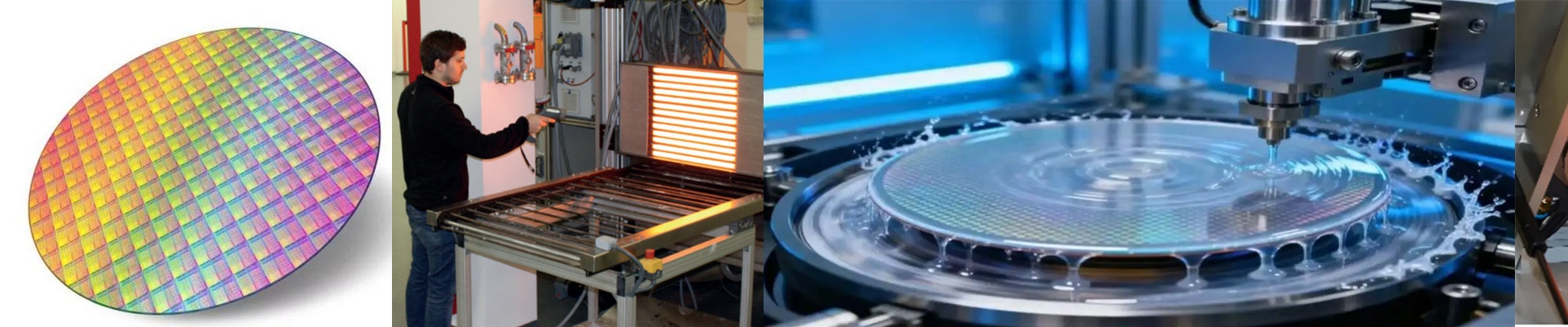
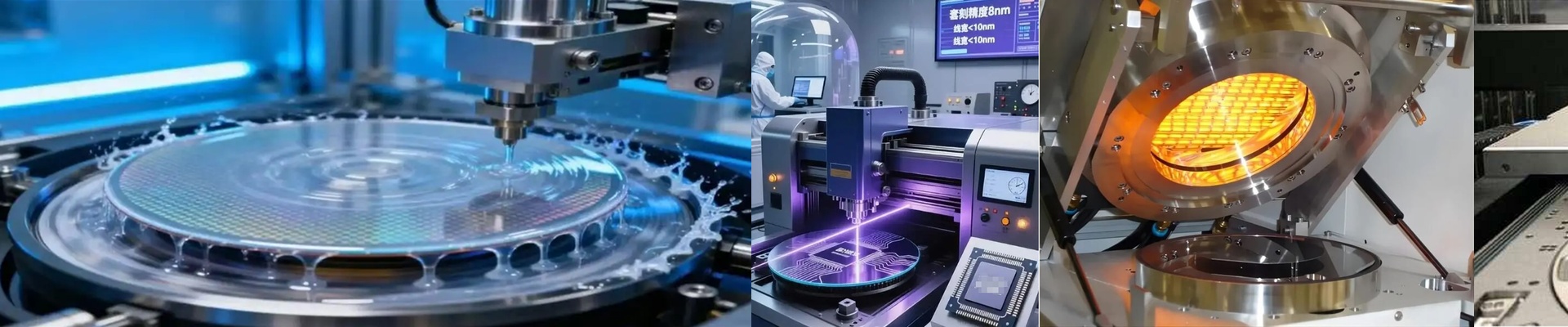
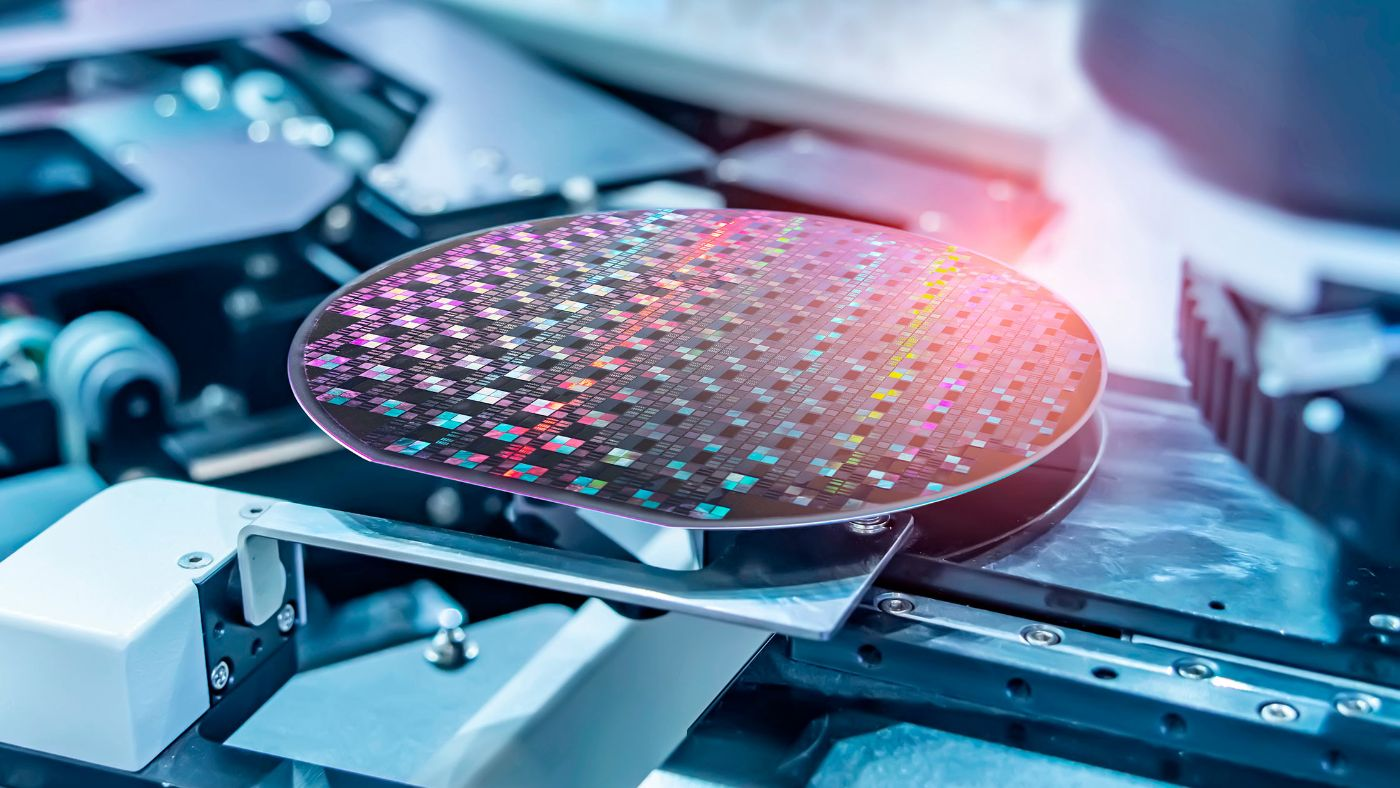
On the backend line, lead-free solder reflow lives and dies by a repeatable thermal profile. Wafer-level accuracy isn’t optional—a few degrees of drift will move bump height, shift registration, and knock yield right off spec. We built our lead-free solder wafer preheater to live in that reality. What matters under the hood You get ±0.1°C wafer-level thermal uniformity, with NIR heating that dumps energy straight into the substrate—fast. Cleanroom Class 1–100 compatibility comes from sealed quartz parts and a low-particle airflow path, so particle counts stay flat even on long runs. Photoresist stays happy, too: soft bake and hard bake profiles hold steady, and the temperature repeatability is tight enough to protect overlay and CD control across etch and lithography stacks. In the field, it runs 24/7 with zero unplanned downtime, and closed-loop control keeps energy use matched to the thermal load. Why this step matters in packaging In advanced packaging, the preheat step sets the thermal budget before reflow. Keep that preheat consistent, and you cut voiding, control warpage, and keep solder joint reliability on target. Cycle times come down without giving up profile control, and you stop chasing excursions from hot spots or sluggish ramps. It drops into standard workflows, so process windows tighten, scrap drops, and rework falls off. What you need to make it sing The preheater needs a dedicated power circuit and verified exhaust alignment. Peak performance hinges on stable inlet air temperature and pressure. It plays nicely with most handlers and bonders, but if you’re integrating into a legacy line, budget a quick interface review. Plan for a two-hour commissioning window, then run your first qualification lot to lock the profile down.
Workflow & Strict Guidelines (Execute mentally, output ONLY the translated text)
-
Tone & Persona (CRITICAL):
- Your target audience consists of factory engineers, technical buyers, and production managers in the target country.
- The tone must remain strictly objective, rigorous, factual, and direct.
- ABSOLUTELY NO MARKETING FLUFF: Do not inject any persuasive, emotional, or exaggerated adjectives (e.g., perfect, ultimate, revolutionary, best) into the translation. Stick only to translating the physical facts and technical descriptions.
-
Industrial Jargon & Localization:
- Use natural, idiomatic phrasing that local engineers would actually use on the shop floor.
- Ensure a fluid translation that conveys the exact meaning. Do NOT use rigid, word-for-word machine translation.
-
Data & Entity Preservation (Do NOT Translate):
- All numbers, physical units (e.g., W, V, mm, ℃, Hours), and specific model codes/SKUs (e.g., R7s, SK15, IR, PET) must be kept exactly as they are in the source text.
- Do NOT convert measurement units (e.g., do not change mm to inches).
- Keep brand names or designated English proper nouns in English.
-
Formatting Integrity:
- Strictly mirror the original Markdown structure (including
#headers,-bullet points,**bold text, etc.). - Ensure you apply the correct punctuation and spacing rules specific to Dutch (e.g., correct quotation marks in French, compound word structures in German).
- Strictly mirror the original Markdown structure (including
Output format
Output the final translated text in Dutch directly. Do NOT include any introductory, explanatory, or conversational text. Do NOT wrap the output in Markdown code blocks (like ```).