

Keeping Your Wafer Tooling from Blowing Up
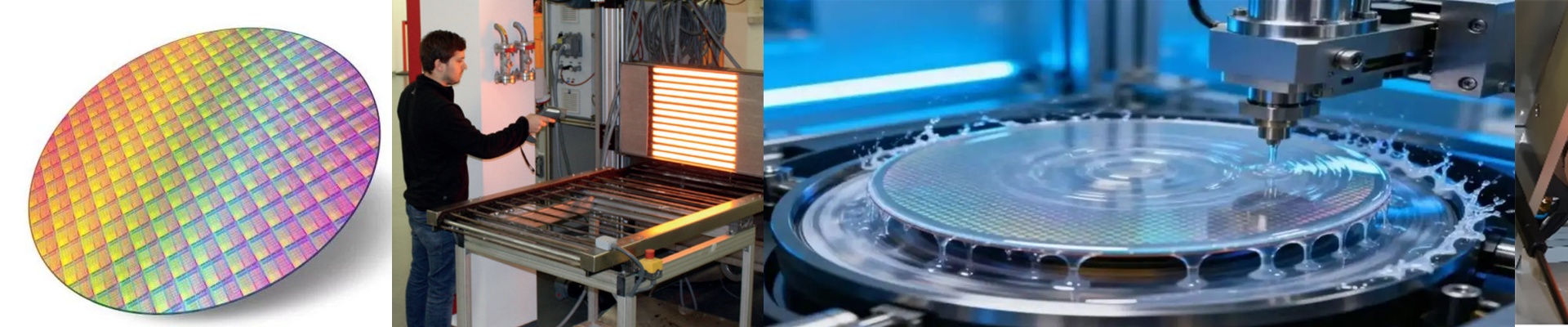
Let’s be honest: mixing infrared heating lamps with flammable cleaning solvents is a recipe for disaster. If you’ve ever worked with these chemicals, you know how jumpy they can be. One spark or one overheated surface, and you’re not just looking at a ruined batch—you’re looking at an explosion. That’s why we don’t just “build” our IR lamps; we armor them.
Stopping the Leaks
Most standard lamps have a habit of leaking. In a cleaning environment, that’s a nightmare. Solvent vapors sneak into the housing, hit that scorching hot quartz tube, and—boom. We fixed this by using a tight, hermetic seal at the ends of the lamp. It keeps those volatile organic compounds (VOCs) exactly where they belong: outside the lamp. And we didn’t stop at the seals. We ditched the cheap plastics that crack or off-gas when they touch harsh chemicals. Instead, we use high-grade stainless steel or polymers that actually hold up. It means the housing stays solid, and you don’t have to worry about the casing failing on you in the middle of a shift.
Controlling the Heat
A seal is great, but it doesn’t matter if the outside of the lamp is hot enough to ignite the air around it. If the skin temperature hits the flash point of your chemicals, you’ve got a fire on your hands. To stop that, we spent a lot of time on the internal airflow and heat sinking. We want the heat hitting the wafer, not the room. In the really high-risk spots, we use a double-walled vacuum or an inert gas fill. Think of it as a thermal buffer. It keeps the “danger heat” trapped inside while the exterior stays cool to the touch.
The Trade-off (The Part You Need to Know)
Here is the catch: all that extra protection adds some weight. Because the lamps are more heavily encapsulated, they have a bit more thermal inertia. In plain English? It takes a few extra seconds for the lamp to reach its target temperature compared to a bare bulb. Don’t ignore this. You’ll need to tweak your ramp-up timers in the tool software to account for that slight lag. If you leave the settings as they are, your PID loop might overshoot, and you’ll end up with temperature swings you didn’t ask for. Just a quick adjustment and you’re good to go.