

Stop Wasting Heat: Why Gold Reflectors Actually Matter
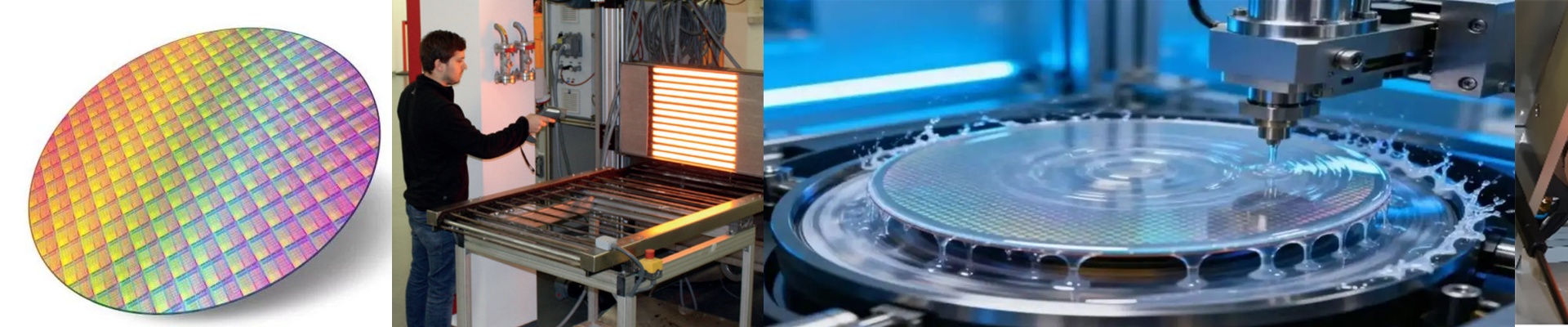
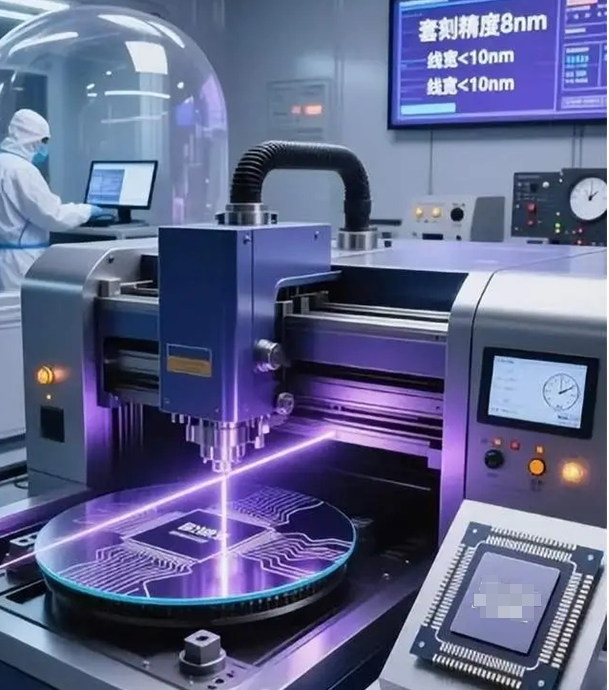
When you’re heating silicon wafers, every wasted watt is just money disappearing into thin air. Most people stick with standard aluminum reflectors, but the problem is they soak up and scatter too much energy. It’s inefficient. That’s why we use gold-coated reflectors. Gold is the king of the infrared spectrum. It doesn’t just “reflect” light; it pushes almost every single watt from the ozone-free lamp straight onto the wafer surface. Here is how it actually works. Normally, an IR lamp sends heat out in a 360-degree arc. It’s a mess. But when we pair those ozone-free lamps with a gold-coated parabolic or elliptical shape, everything changes. Instead of heat wandering off, the gold layer bounces those photons right back toward your target. You end up with a concentrated heat zone. You get way more punch on the wafer without having to crank up the power draw on your lamp. The trade-off (because there’s always one). Gold isn’t just for show. It can handle the heat. These coatings don’t peel or oxidize when things get scorching, which is exactly what you need when thermal uniformity is the goal. But here’s the thing: when you cram that much energy into a small footprint, your housing is going to feel it. If you’re using gold reflectors to ramp up your radiation density, double-check your chassis cooling. If your heat sinks can’t pull that ambient heat away, you’re going to drift right out of your temperature window. Putting it to work. We use this setup for semiconductor curing and wafer baking. Because the IR energy is focused, you hit your processing temperatures much faster. It’s a simple win. You stop heating the air around the machine and start heating the substrate. Your thermal budget stays low, your ramp-up time drops, and the whole process just feels tighter.