


Stop Wasting Heat in Your Wafer Processing
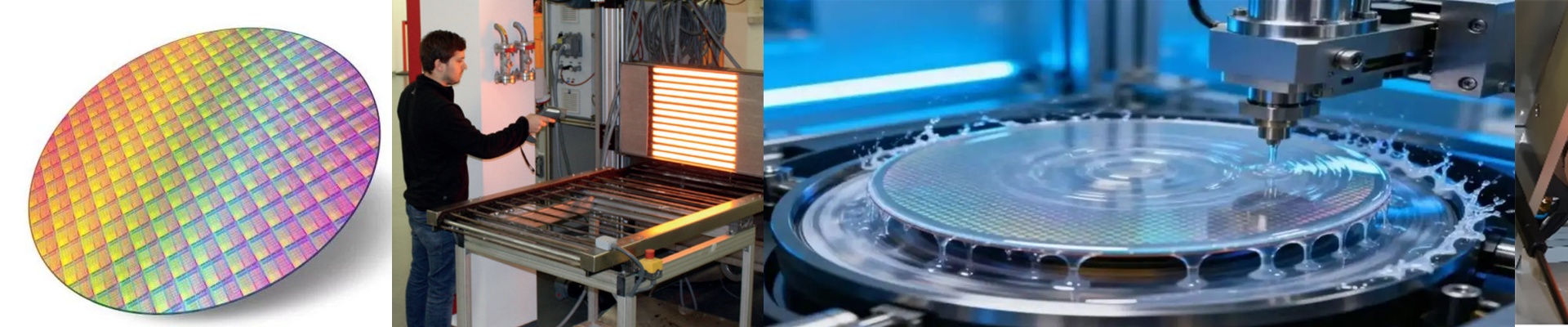
Here’s the problem with vacuum environments: you lose convection. Completely. That means you’re relying on radiation to move heat, and if that energy misses the substrate, it’s just gone. It’s wasted power that your chillers then have to sweat to get rid of. That’s why we use gold-coated reflectors. It just makes sense.
Why gold?
Standard aluminum reflectors are fine for a while, but they tend to fall apart under high heat and constant vacuum cycling. Gold is different. It handles the infrared spectrum way better, bouncing a much larger chunk of those photons straight back toward the wafer. It’s not really about “more” heat. It’s aboutcontrol. Instead of just cranking up the wattage and hoping for the best, you’re focusing the energy exactly where it needs to go. The result? A temperature profile across the wafer that actually stays uniform.
The tricky part
Now, fitting these into a tight footprint isn’t always a walk in the park. The gold layer is thin. Really thin. And it’s sensitive. If a tech accidentally scratches the coating during install, you’ve just created a cold spot on your wafer. It’s a small mistake that causes a big headache. Then there’s the balance of power density. Since the gold reflects so much energy back, the lamp itself actually runs hotter. You can’t just slap these in and forget about them; you have to make sure your cooling jackets and vacuum pumps can handle that extra load. If your cooling is too weak, you’ll burn through your filaments way faster than you should.
The payoff
The upside is worth the effort. You hit your target temperatures faster, which means your cycle times drop. Plus, because the energy is so focused, you can often turn down the total power draw and still keep the wafer at the right temperature. It’s a simple way to push more wafers through the chamber without having to cram in even more heaters.