

Getting CNT Fabrication Right with Directional IR Heating
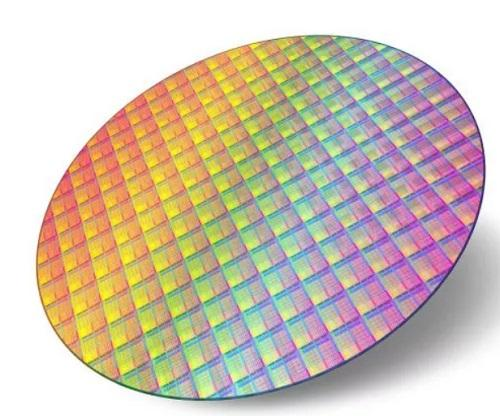
If you’ve ever worked with carbon nanotubes (CNTs), you know that temperature control is everything. It’s a finicky process. We’ve found that the best way to handle it is with shortwave infrared (IR) lamps. Instead of just heating everything in sight, these lamps shoot heat exactly where it needs to go: the substrate. No more “oven” effect Here’s the thing about old-school heating elements—they spray heat in every single direction. In a semiconductor tool, that’s a nightmare. It turns the inner walls of the chamber into a giant radiator, and if an operator touches the wrong spot, they’re getting burned. We fixed that by going directional. By focusing all that energy right on the growth zone, the surrounding hardware stays cool. You get the heat you need at the wafer level, but the machine casing doesn’t feel like a toaster. The trade-off with high heat density These high-power lamps are fast. Really fast. Your substrate hits that activation temperature in seconds, which is great for your timeline. But there’s a catch. That kind of heat density is a bit of a double-edged sword. If your cooling manifolds aren’t sized right or your airflow is too weak, the lamp housing will just cook itself. You’ll end up burning through lamps way faster than you should. Keep an eye on your airflow. Making it work in your shop We built these to be simple drop-in replacements for resistive heaters. We use quartz envelopes to keep the filaments safe and the environment pure. And since the heat isn’t bleeding everywhere, you don’t need nearly as much of that bulky thermal insulation. That’s a win because it actually shrinks the footprint of your whole fabrication unit. You get more room on the bench. One last tip: be careful with your wiring. These units hate voltage spikes—they’ll eat your lamp life for breakfast. We usually suggest a PID controller. It lets you modulate the power and stops the temperature from overshooting right when the growth phase gets critical.