

Getting the Heat Right in Your Smart Fab
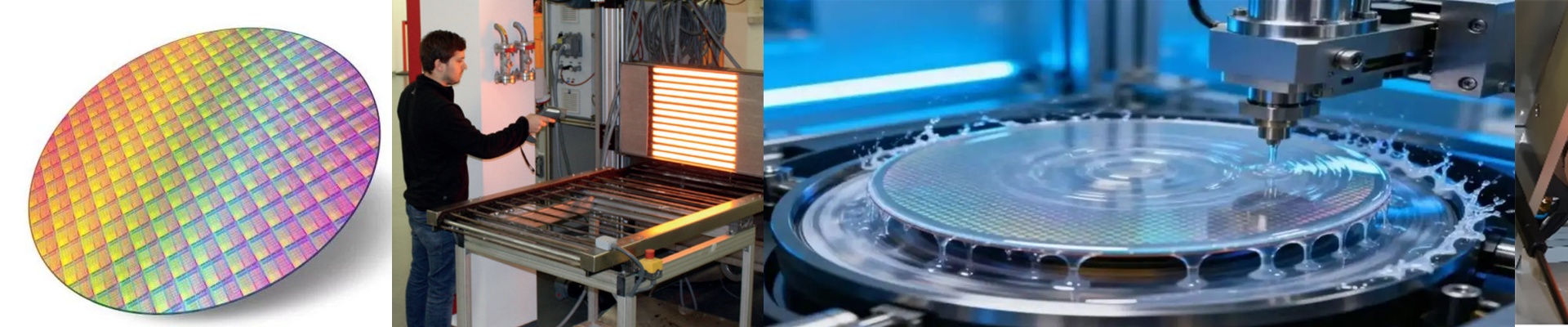
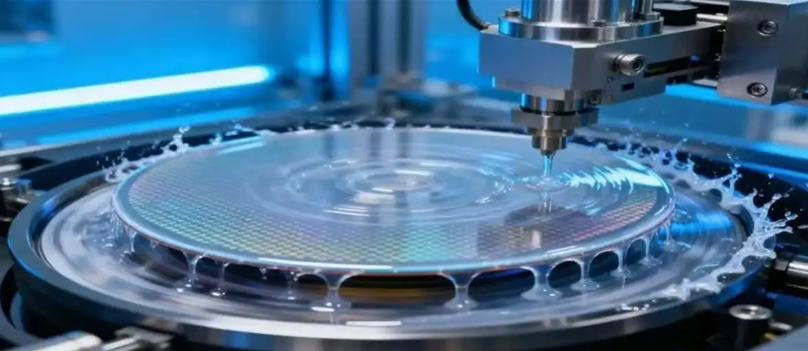
If you’re building a Smart Fab for Industry 4.0, you’ve probably realized that the old way of heating things just doesn’t cut it anymore. You need data. That’s why most of us lean on Infrared (IR) systems. They’re clean, they don’t touch the wafer, and they’re incredibly precise. But here is the tricky part: the gap between your IR emitter and the wafer. Get that distance wrong, and you’re in trouble.
The Balancing Act
Think of the safety distance as a tightrope walk. If your lamp is too close? You get hot spots. Those little pockets of intense heat can warp a wafer in seconds, and that’s a lot of wasted money. Push it too far back, and you’re just heating the air in the chamber. Your power supplies have to work overtime to make up for the loss, which isn’t a great look for your energy bill or your hardware’s lifespan. It’s all about the flux density. Shortwave IR is great because it digs deep into the material, but it’s picky. You have to be spot-on with your distances to keep a 300mm surface heating evenly.
Stop “Setting and Forgetting”
In a modern line, we don’t just flip a switch and hope for the best. We use closed-loop feedback. By pairing your emitters with high-speed pyrometers, the system basically “sees” the heat and adjusts the power on the fly. It’s like having a pair of eyes on every single wafer. You end up with a digital map of the entire thermal process, so you know exactly what happened to every piece of silicon that passed through.
The Trade-offs (Because there’s always a catch)
High-density IR arrays are fast. Really fast. And that’s great for your throughput. But all that heat has to go somewhere. If you crank up the wattage to shave a few seconds off your cycle time, your chassis is going to feel it. Your cooling manifolds need to be beefy enough to handle the reflected energy. If you skimp on the cooling, your lamps will burn out early or your sensors will start drifting. It’s a headache you don’t want. My advice? Be a bit conservative with your safety margins during calibration. It’s much better to start a little too far back than to accidentally fry a batch of wafers on day one.