


Getting Your MEMS Wafers Dry Without Breaking Them
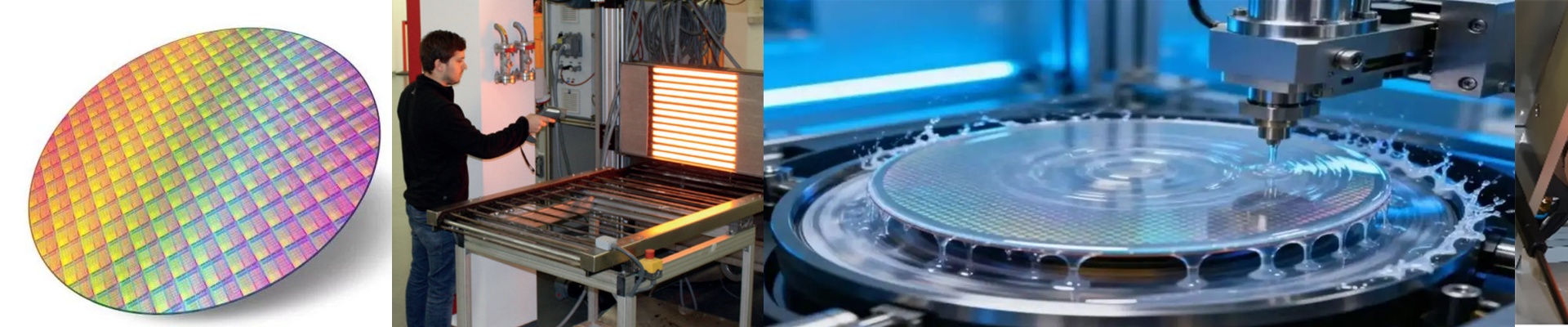
Drying MEMS sensor wafers is a bit of a tightrope walk. You need enough heat to get rid of every drop of moisture, but if you overdo it, you’ll wreck those tiny, fragile micro-structures. That’s why we use gold-coated reflectors. It sounds fancy, but it’s really just about making sure the heat actually goes where it’s supposed to.
Why Gold?
Think about a standard quartz lamp. It throws heat in every direction. In a normal setup, about half that energy is just drifting away into the air, doing nothing. We fix that by adding a high-purity gold coating to the reflector. Gold is incredible at bouncing infrared energy—way better than aluminum or stainless steel. It basically grabs those photons and shoves them right back down toward the wafer. The best part? You get more heat on the target without having to crank up the power.
Speeding Things Up
When you’re setting up a drying system, you really just want the water to vanish as fast as possible. Because we’re focusing the energy, we can pack more heat into every square centimeter. This means the wafer doesn’t have to sit under the lamp nearly as long. It moves through the zone faster, and your whole process picks up speed.
The Trade-off
Now, there’s a catch. When you concentrate heat this effectively, things get hot. Really hot. Your lamp housing and the wafer carrier are going to feel it. If your cooling system isn’t up to the task, you might see mounting brackets warp or sensor electronics start to fry. It’s a balancing act. You have to make sure your machine can breathe and shed that extra heat as fast as the gold reflector is pumping it in.
Making it Work
We designed these heaters to be drop-in replacements. You don’t need to rebuild your whole rig to use them. We spend a lot of time on the optical alignment. We want that beam hitting the wafer dead-center. No cold spots, no uneven patches—just a clean, uniform dry across the entire surface.