


A Better Way to Heat Your Bio-Sensors
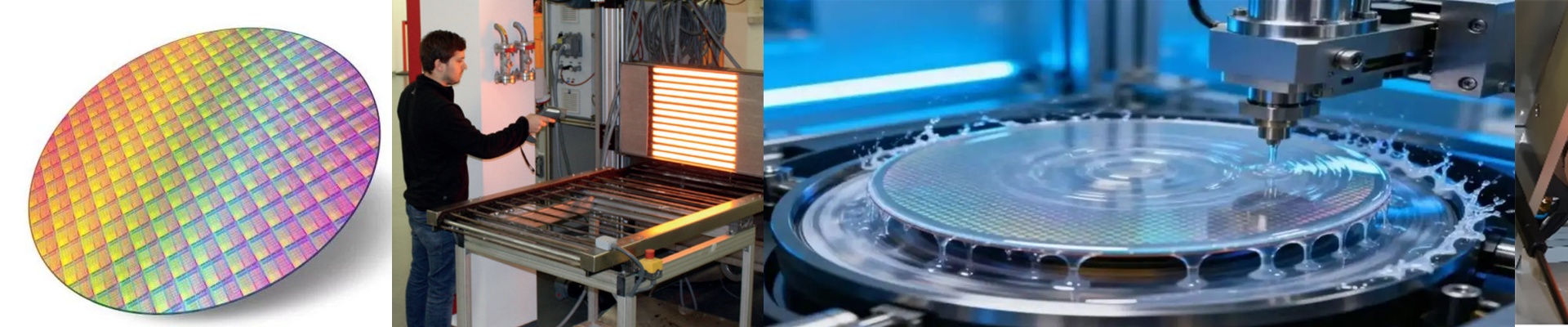
Making bio-sensors is all about the details—specifically, how you handle curing and drying. For a long time, we’ve just dumped everything into massive convection ovens in the cleanroom. But honestly? Heating up a giant box of air just to warm up a tiny substrate is a waste of energy. That’s why we switched to infrared (IR) lamps.
How it actually works
Think of it like the sun. Instead of waiting for the air around you to get hot, you feel the heat the second you step outside. IR lamps do the same thing—they beam energy directly into the substrate. No more waiting for a chamber to “warm up.” It’s fast. Really fast. And that changes everything for your workflow. Now, you do have to pick the right wavelength. If you need the heat to soak deep into the material, go with short-wave IR. If you’re just drying the surface of those bio-functionalized layers, mid-wave is your best bet.
Cutting the waste
We talk a lot about “green” factories, but let’s be real: it mostly comes down to wattage. By ditching the huge insulation shells and those loud blower motors that run 24/7, we’ve managed to seriously drop the power bill. The best part? The lamps only pull power when there’s actually a substrate in place. When it’s off, it’s actually off.
The trade-off
It’s not all magic, though. High-intensity lamps put out a ton of heat. If your cooling manifolds aren’t up to the task, you’re going to feel that heat soak. If the machine gets too hot, your sensor calibration will start to drift, and then you’ve got a problem. You have to find that sweet spot between how much power the lamp puts out and how fast your system can bleed off the extra heat. The good news is you don’t have to rip out your entire assembly line to try this. We designed these lamps to be drop-in replacements for the old heating elements. Just swap them out, wire them to a PID controller to keep your temperatures tight, and you’re good to go.