

Why we’re swapping hot air for IR in hydrogen sensor builds
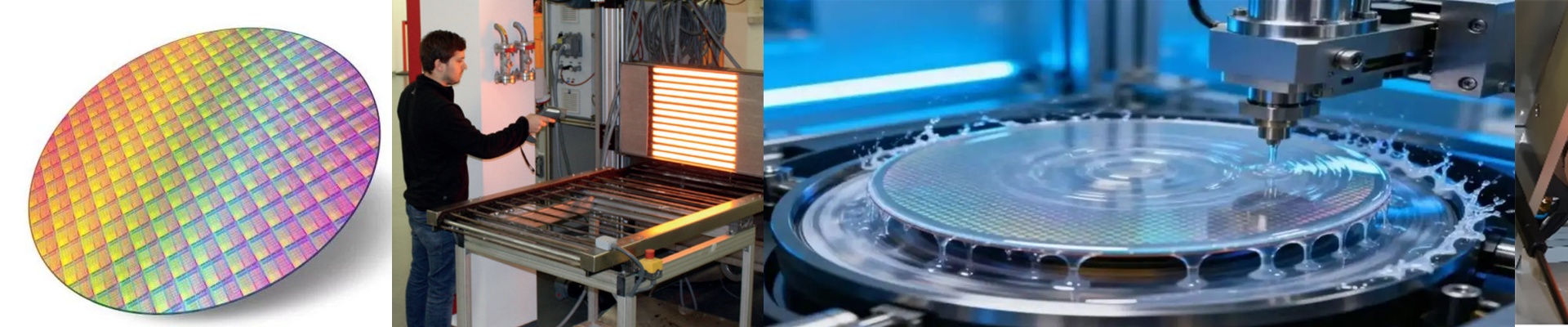
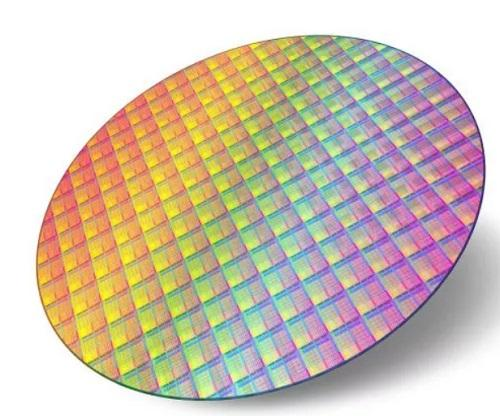
Making hydrogen sensors comes down to one thing: getting the heat exactly right. For a long time, most of us just used hot air circulation. It’s the old-school way you see in those legacy semiconductor setups. But honestly? It’s a drag. Think about how it works. You have to heat the air in the chamber, then that air has to heat the substrate, and finally, the sensor material actually gets warm. You’re spending a ton of time and electricity just heating up the empty space around your part. It’s a waste. The speed difference is wild. Infrared (IR) heating just skips the middleman. It doesn’t care about the air; it shoots energy straight into the sensor substrate. In my experience, this turns a wait of several minutes into a few seconds. You get rid of that sluggish “warm-up” period. It’s basically instant-on heat. When you’re cranking out high volumes of sensors, those saved seconds add up. You can push way more product through the line without having to build a bigger cleanroom or buy more floor space. Now, it’s not just “plug and play.” We use short-wave IR emitters because they dig deeper into the material, which gets you to your target temperature faster. But here’s the catch: IR is directional. If your sensors are slightly out of place or your lamps are angled wrong, you’ll end up with hot spots. You can’t just toss an IR lamp into an old convection oven and hope for the best. You’ve got to be picky about the distance and the angle to make sure every single wafer in the array gets the same amount of heat. Moving toward the pro stuff If you’re aiming for semiconductor-grade fabrication, IR is where you want to be. The best part is the zoned heating. You can control different sections of the line on their own. This means you don’t have to worry about scorching the edges of a sensor while the center is still cold. It’s a total shift in how we think about energy—moving away from heating a whole room and instead putting the heat exactly where it needs to go.