


Why Ceramic End Caps Actually Matter for Your IR Emitters
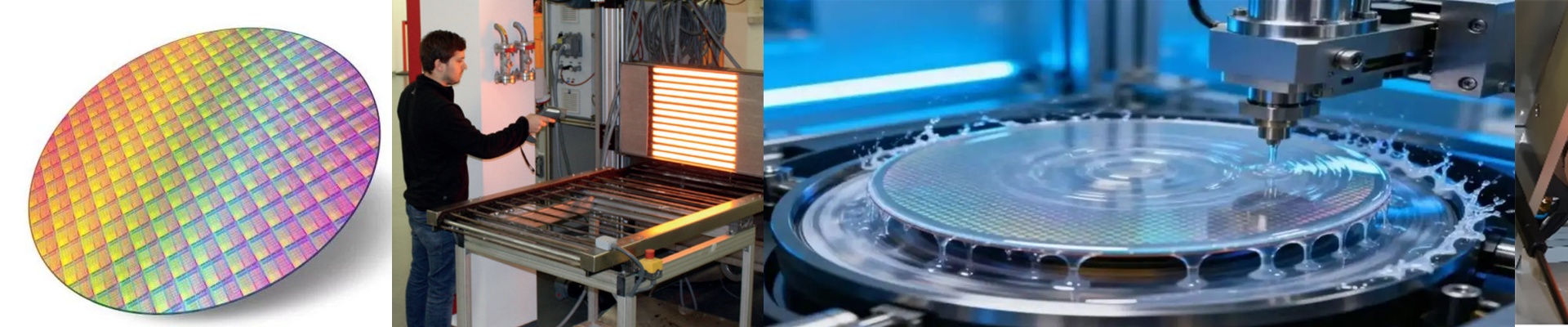
When you’re dealing with semiconductor curing, the pressure to go “green” and lead-free is real. That’s why most of us have moved toward infrared (IR) emitters. Instead of messing around with solvent-based drying, you’re using direct radiant heat. It’s cleaner, faster, and way better for the environment. But here’s the thing: for this to actually work, you need a solid ceramic end cap. It might look like a simple cover, but it’s doing the heavy lifting. It keeps the electricity where it belongs and stops the heat from wrecking your gear.
Dealing with the Heat
Think of the end cap as the bridge between a scorching hot quartz tube and your electrical wiring. We usually stick with high-purity alumina or other specialized ceramics because they don’t warp when things get intense. If you used something cheaper, it would twist or melt, and suddenly your electrodes are shorting out against the machine frame. Not a great day at the office. And if you’re running a high-wattage system, you have to be careful about how materials expand. Metal and quartz don’t grow at the same rate when they heat up. If the ceramic fit isn’t just right, the seal breaks. Once that happens, oxygen leaks in. And once oxygen hits that tungsten filament? It’ll burn out in a matter of hours.
Keeping it Clean
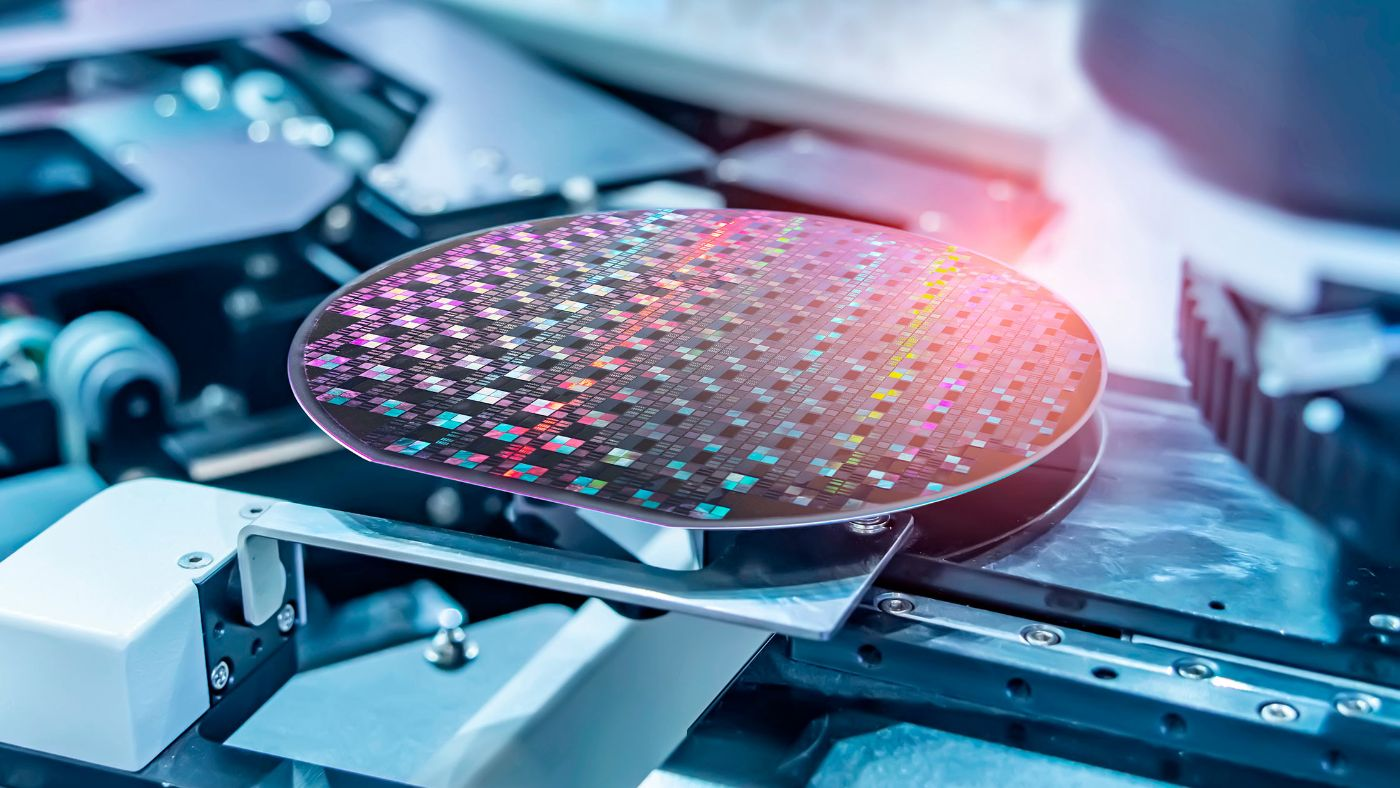
The semiconductor world is obsessed with purity—and for good reason. IR curing is a win here because it cuts out those nasty VOC-heavy chemicals. Since the ceramic components are inert, they don’t “off-gas” or leak any weird particles onto your wafers during the cycle. You get a clean cure without the contamination headaches.
The Reality Check
Now, ceramics aren’t perfect. They’re brittle. They can handle the heat better than any plastic or composite, but they can’t handle a drop. If your techs are a bit rough during lamp replacements, these things can crack. Treat them like glass, or you’ll be ordering replacements a lot more often than you’d like. One more thing to watch out for: your cooling system. I’ve seen plenty of setups where the ceramic holds up fine, but the ambient air around the cap gets way too hot. If that happens, your wiring insulation starts to degrade. It’s a sneaky problem. Just make sure your airflow is actually tuned to the wattage you’re pushing, or you might find your connectors melting right off the board.