


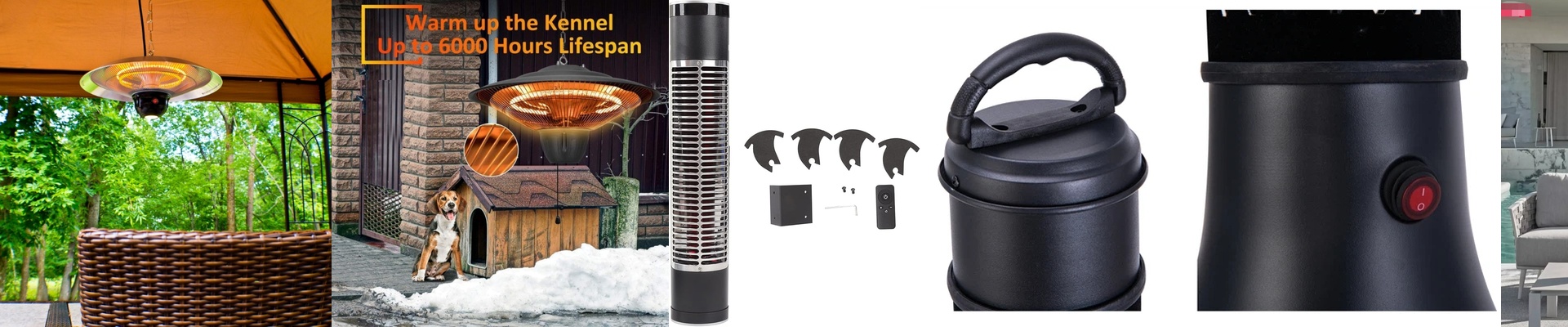

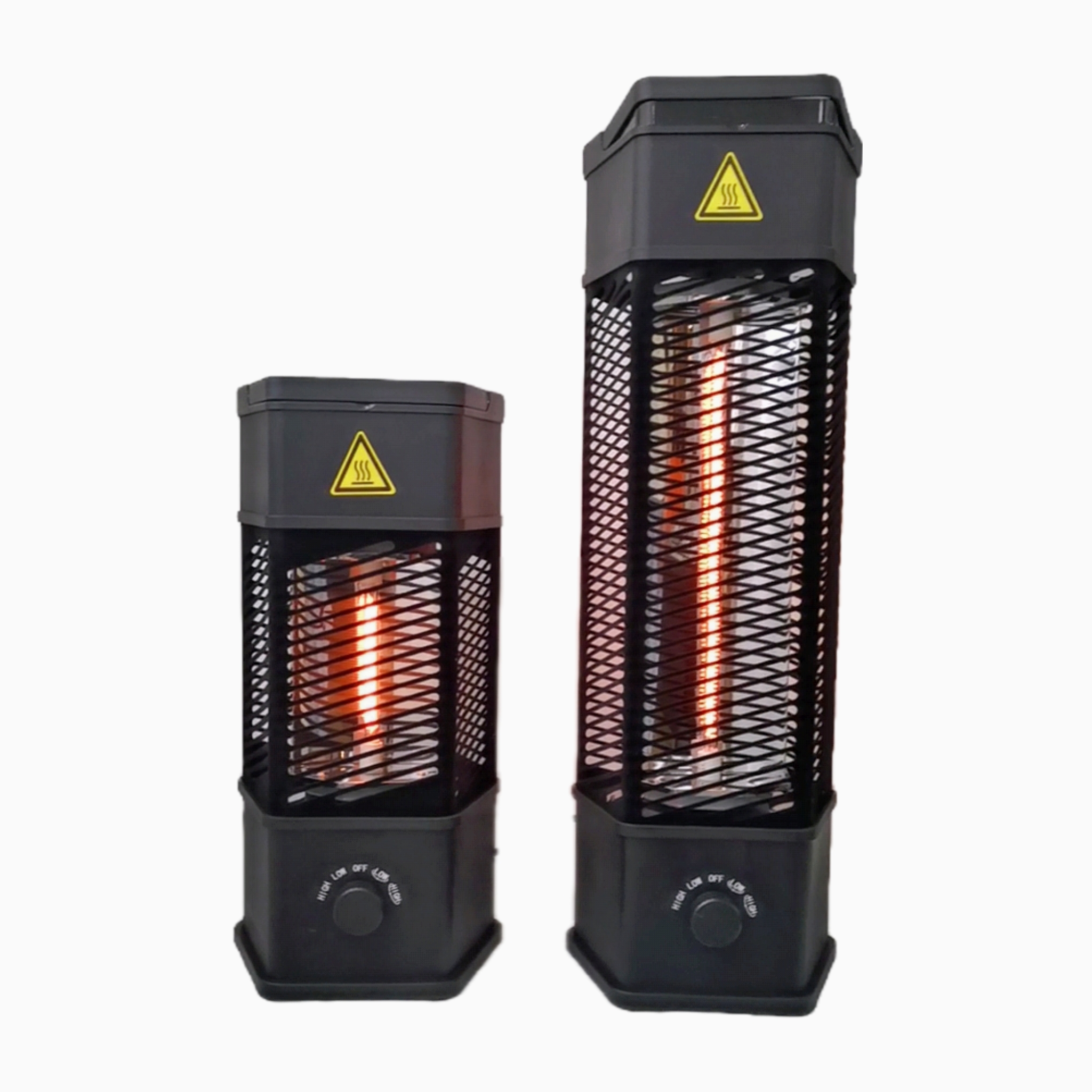
Getting the Heat Where It Actually Matters
Here’s the thing about electric infrared floor heating: it’s meant to warm the floor and the people in the room, not just the air overhead. That’s the whole point. And it only works if the heater is positioned right. If the mounting height is off, you can have the most powerful heater in the world and it still won’t do the job. The secret is matching the beam angle and intensity to the actual shape of the room, so the warmth lands where you want it.
The Simple Science Behind the Angle
An infrared heater throws out heat in a cone. If you mount it too high, that cone spreads out, and the heat gets diluted. You end up warming the air instead of the floor, which is just wasted energy. Go too low, and you’ll get hot spots right under the unit, with cold corners all around. For most home ceilings—around 8 to 9 feet—a 45-degree angle is your sweet spot. It gives you even coverage across the floor. But if you’ve got higher ceilings, you need to tighten that angle to keep the heat focused. Otherwise, you’ll have to throw more wattage at the problem just to make up for the energy that gets lost along the way.
The Shop-Floor Rules for Getting It Right
This is the straight-up advice we give our installers. For a standard 8-foot ceiling, set the heater at a 45-degree angle. That puts the warmth right where you feel it. But if your ceiling climbs past 10 feet, you need to narrow the beam. A 30-degree angle keeps the heat from getting lost up high. The catch? The coverage area shrinks, so you’ll likely need more than one unit to cover the whole space. Always work from the mounting height to figure out the beam spread. A 1000W unit at 8 feet covers about 3 square meters. But if you double that height, you lose about 75% of the floor-level warmth. So plan your layout around the geometry of the room, not just the total wattage.
Making the Specs Match the Real Room
It’s not just about the heaters themselves. The wiring and layout have to be just as thoughtful. You have to know the total electrical load before you start connecting anything. And you need to spread the heaters out evenly so there aren’t any cold patches. Use the right wire gauge, too, so it can handle the load safely without getting hot. The bottom line is, this isn’t a one-size-fits-all job. It’s about careful planning—getting the height, angle, and spacing just right so the system performs the way it’s supposed to. Treat the mounting height as a key part of the design, not an afterthought.