
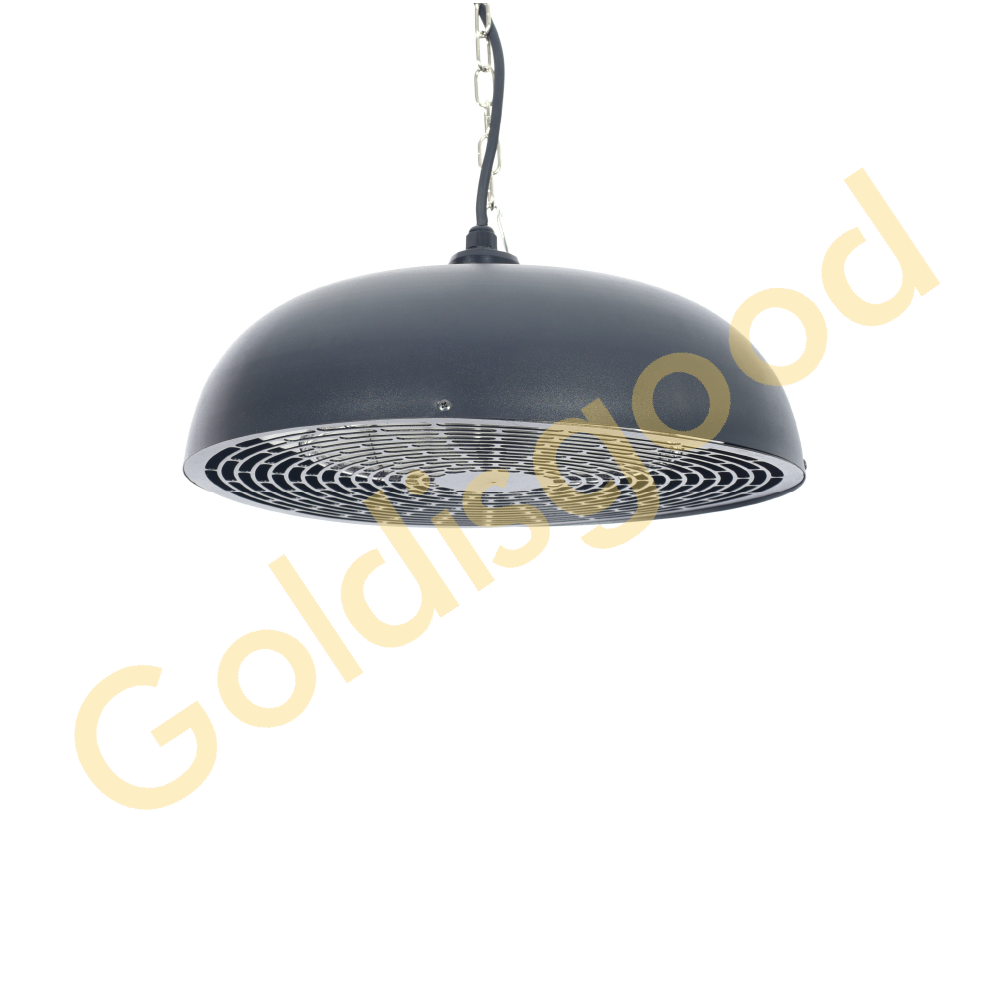
IP65 waterproof electric heater
Why your old bathroom heater keeps dying (and what to do about it) Let’s be honest: those old-school bathroom lamp heaters are kind of a joke. They...
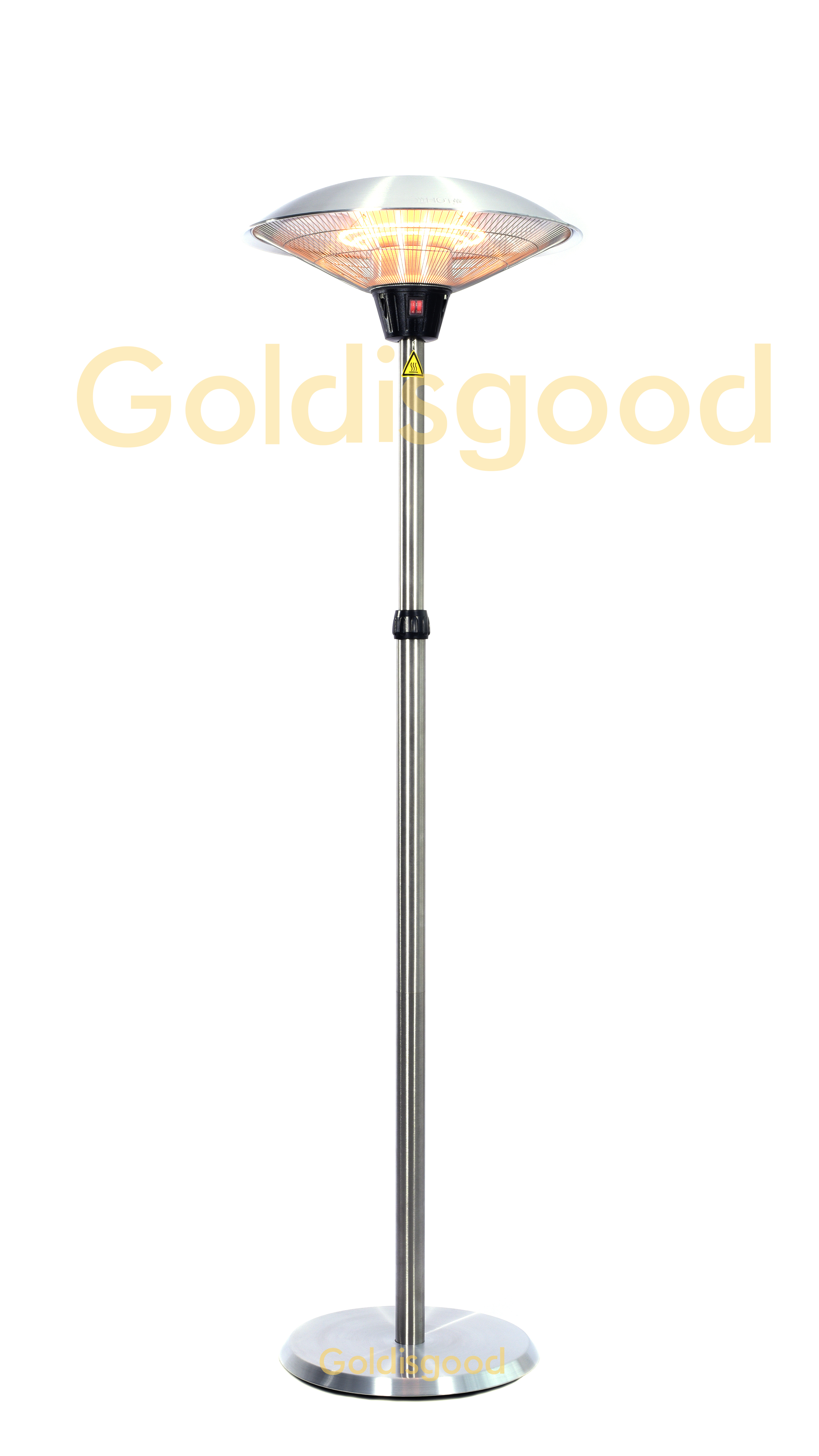
High ceiling infrared heater
Stop Losing Money to Cold Patios Let’s be honest: winter is a nightmare for open-air dining. You’ve got these great outdoor spaces, but as soon as...
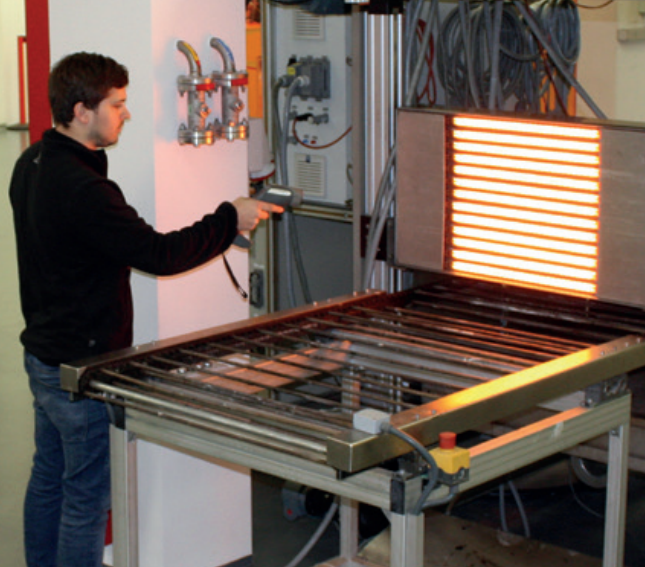
Semiconductor clean room trolley heater
Keeping Your Semiconductor Trolley Heaters from Becoming a Fire Hazard If you’re running clean room trolleys for chemical cleaning, you already...
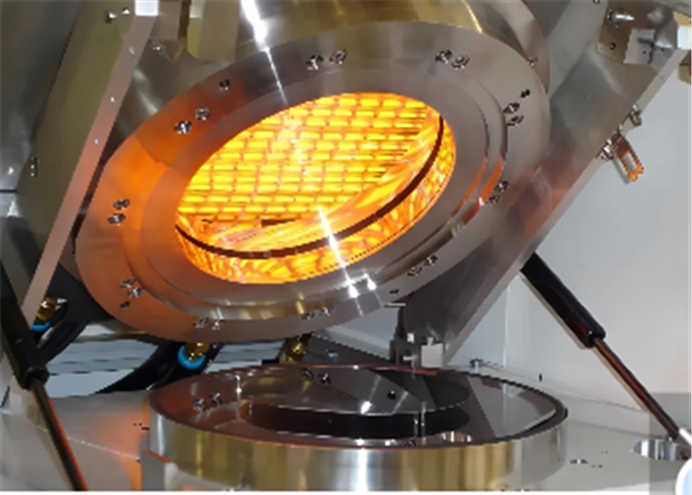
Bio sensor fabrication infrared lamp
Why We Swapped Ovens for IR Lamps in Bio-sensor Fabrication When you’re building bio-sensors, the curing and baking stages are where things...
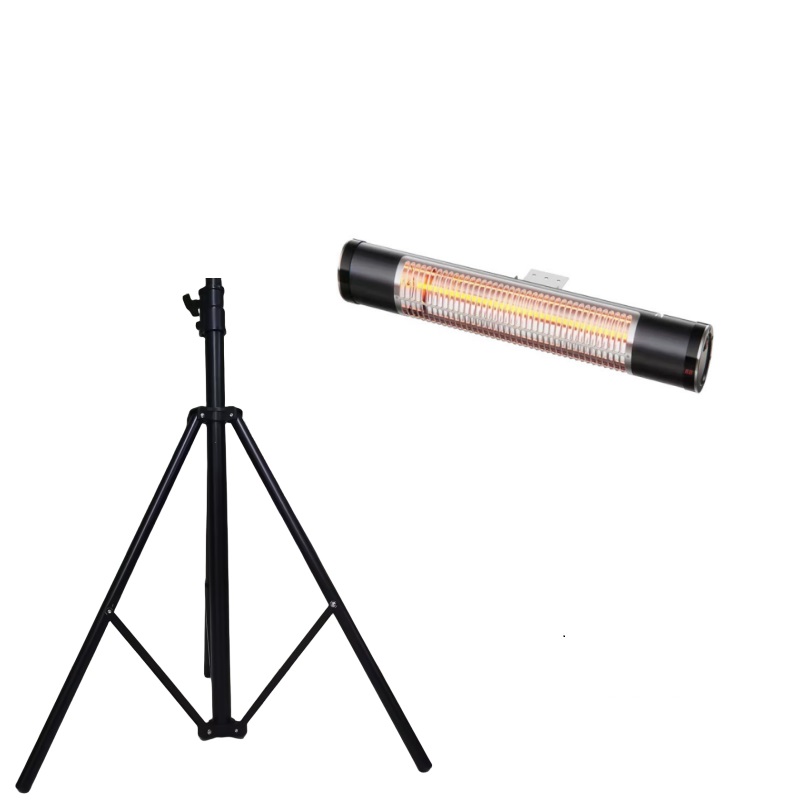
Electric patio heater waterproof
Keeping Outdoor Heaters From Dying in the Rain (and Fog) If you’ve ever put an infrared heater outside, you know the deal. Nature hates...
Infrared bulb with gold reflector
Why Gold-Reflector IR is the Right Move for Semiconductor Drying Everyone is pushing for “green” and lead-free standards in fab these...
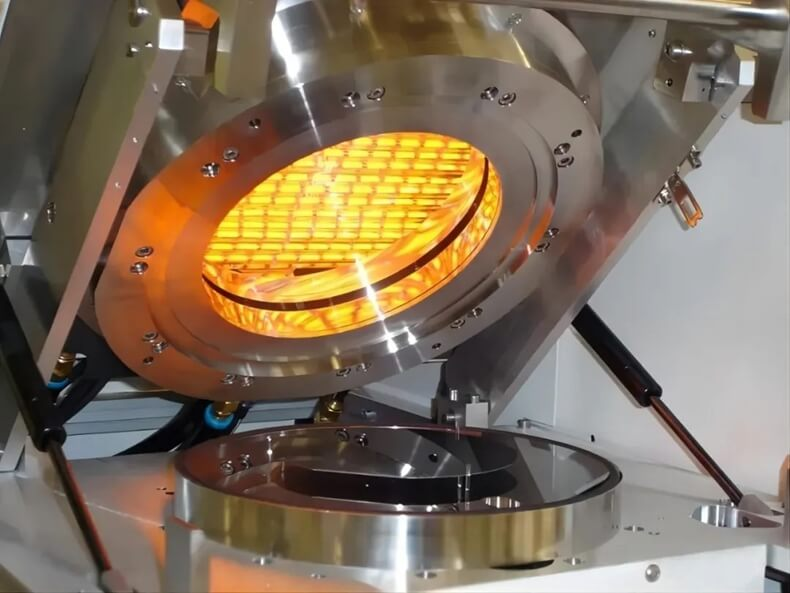
Clean room oven infrared heater
Stop Heating the Air: A Smarter Way to Run Your Cleanroom If we’re actually going to hit those carbon neutrality goals in semiconductor fab, we have...
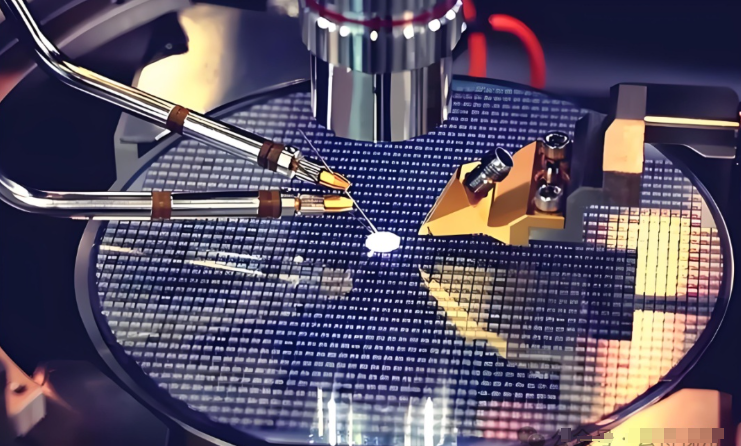
Clean room bench infrared lamp
Getting Your Heat Right in a Smart Fab If you’re building out an Industry 4.0 smart Fab, you’ve probably realized that heat is a bit of a...
Thermocouple for semiconductor heater
Getting Thermal Feedback Right in IR Semiconductor Heating If we actually want to shrink the carbon footprint of semiconductor fabs, we have to stop...
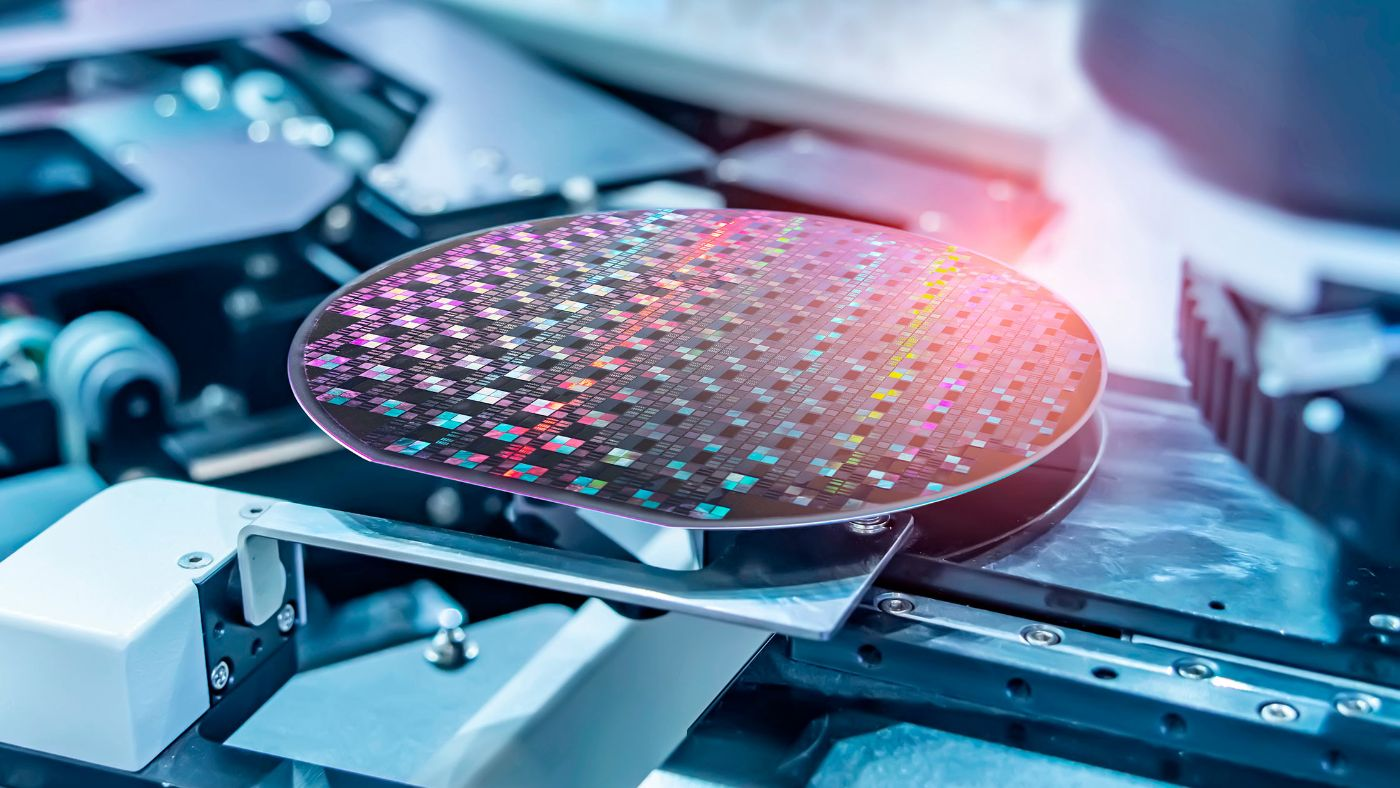
Twin tube gold coated lamp
Keeping Things Safe When Your Cleaning Chemicals Get Volatile Let’s be honest: running infrared heaters in a chemical cleaning zone is a bit like...
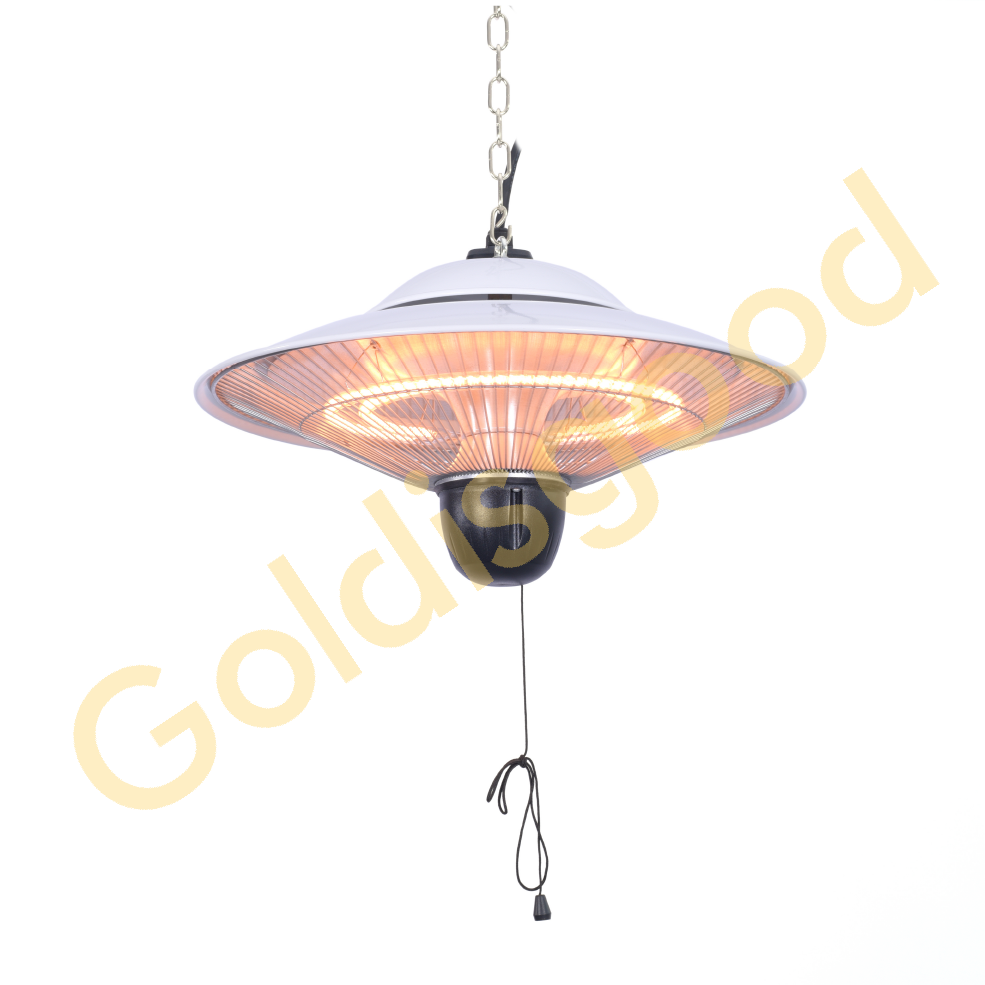
IP66 waterproof outdoor heater
Heating Up Wet Spaces Without the Headache If you’ve ever tried putting a standard heater in a bathroom or an outdoor shower, you know the struggle....
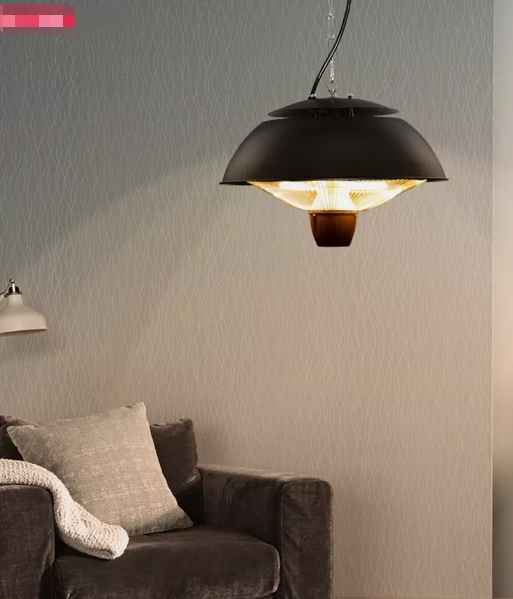
Factory ceiling radiant heater
Making Ceiling Heaters That Won’t Blind You Most industrial radiant heaters are basically heat cannons. They blast a massive wave of energy...
Vacuum chamber infrared heater
Keeping Things Safe When Using Infrared Heat in Explosive Zones Let’s be honest: putting infrared heaters inside a vacuum chamber full of...
Bio sensor fabrication infrared lamp
Why we use Infrared Curing for Biosensors When you’re building biosensors, heat is a tricky thing. You need it to cure your adhesives and...
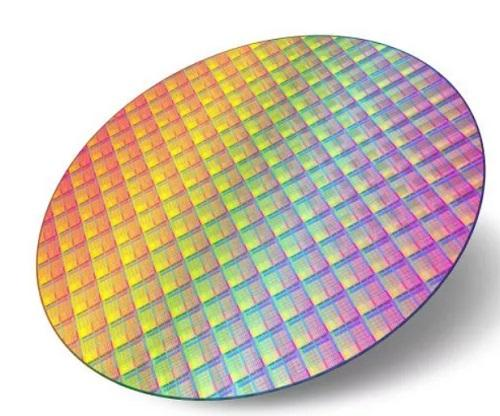
Sustainable fab manufacturing solutions
Stop Waiting on Your Ovens: Why IR Heating Actually Works Most semiconductor fabs are still stuck using hot air for curing, drying, and baking. I see...