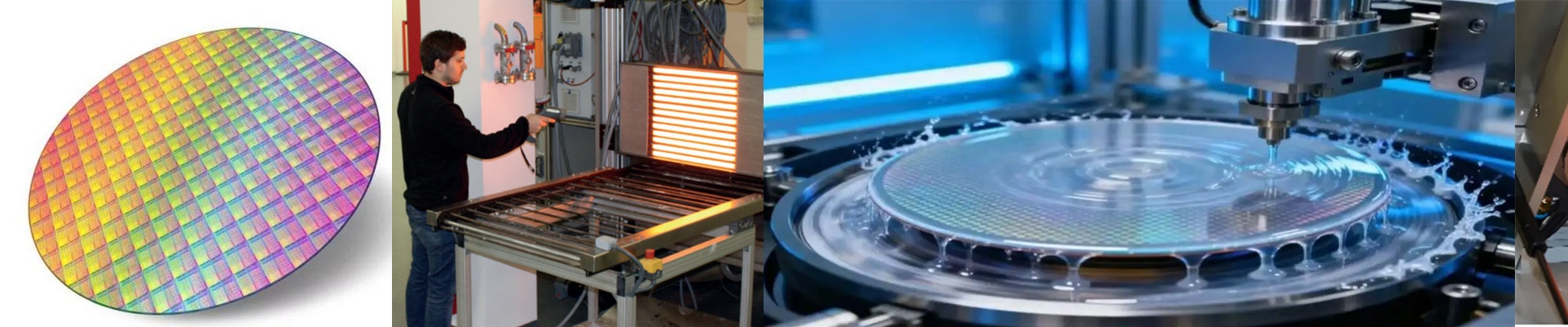
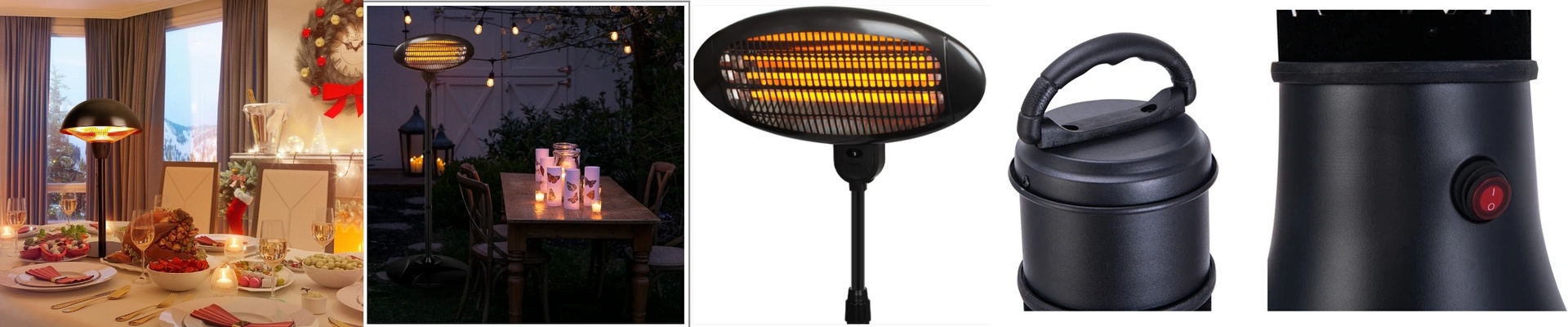
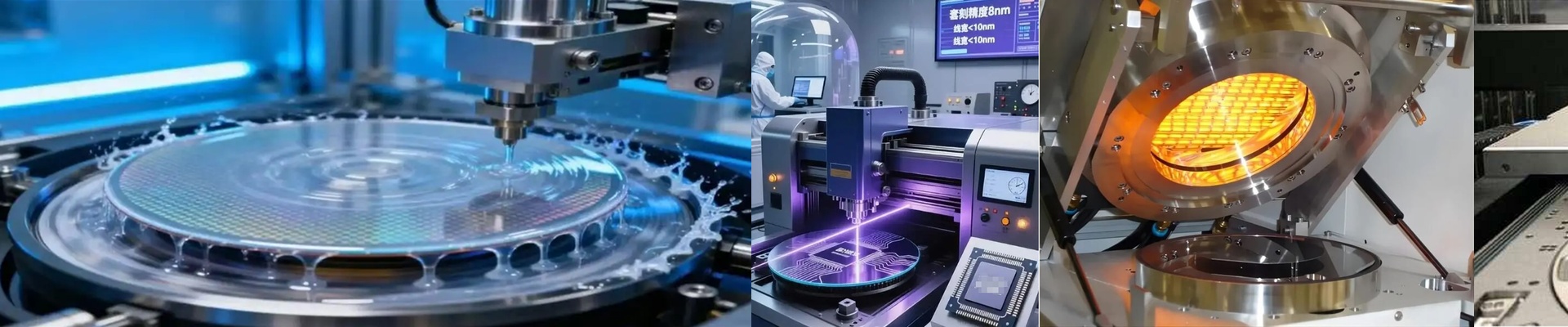

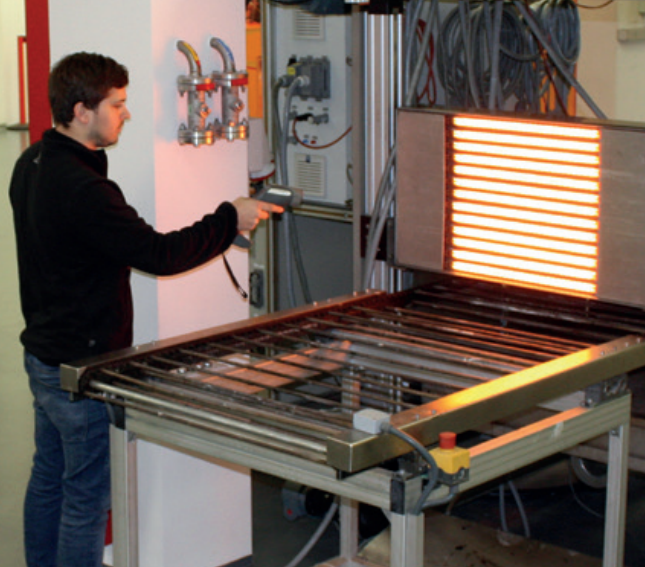
On the fab floor, “glue cure” isn’t just another bake. It’s a thermal budget call—one that hits yield hard. The same discipline applies to photoresist soft bake and hard bake: temperature has to be repeatable, period. And die-attach adhesives demand that same consistency. Let the hot zone drift, and you’ll see edge bead, weak adhesion, and torque failures showing up in packaging. What we built into the system We set this infrared cure around near-infrared (NIR) sources matched to the adhesive’s absorption bands, so the energy goes where it needs to—quickly, without overshooting the substrate. The hot zone holds ±0.1°C uniformity across the wafer, and the chamber is built for Class 1–100 cleanroom operation with particle generation kept to a minimum. Run-to-run temperature repeatability keeps lithography bake profiles and glue cure schedules inside spec. Why it holds up in production In real production, the payoff is stable critical dimensions and fewer rework lots. NIR penetrates and cures adhesive layers more evenly, which cuts down thermal stress and prevents localized under-cure at vias and pads. You get shorter thermal cycles without giving up control, lower gas consumption than convection-heavy ovens, and bond line strength that stays consistent. That means fewer scrap wafers, predictable uptime, and less energy per wafer. What to keep in mind NIR cure is line-of-sight, so part geometry and shadowing matter. Package outlines with tall features may need a short soak step—or even a second cure pass—to hit the full bond line. We size the lamp array and optics to minimize edge fall-off, but you still need to confirm the profile on your exact substrate stack during process development.