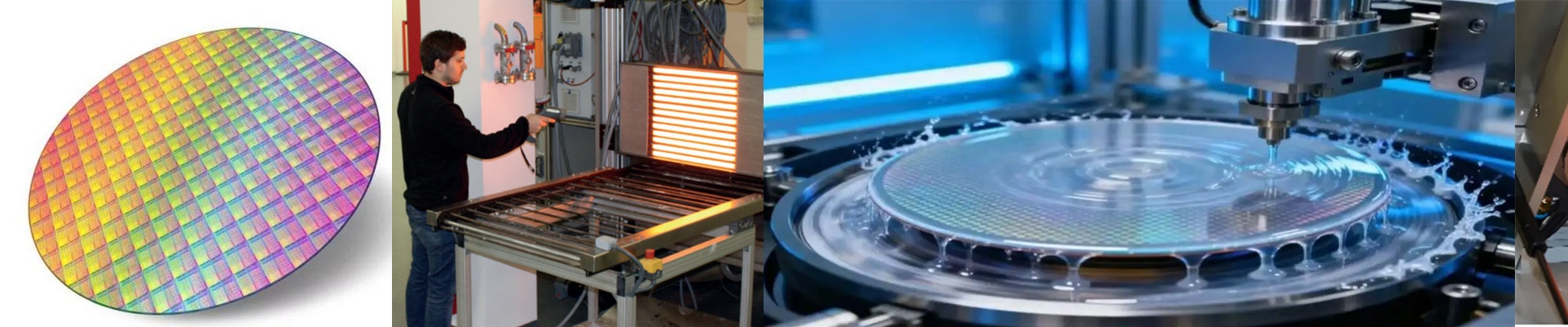
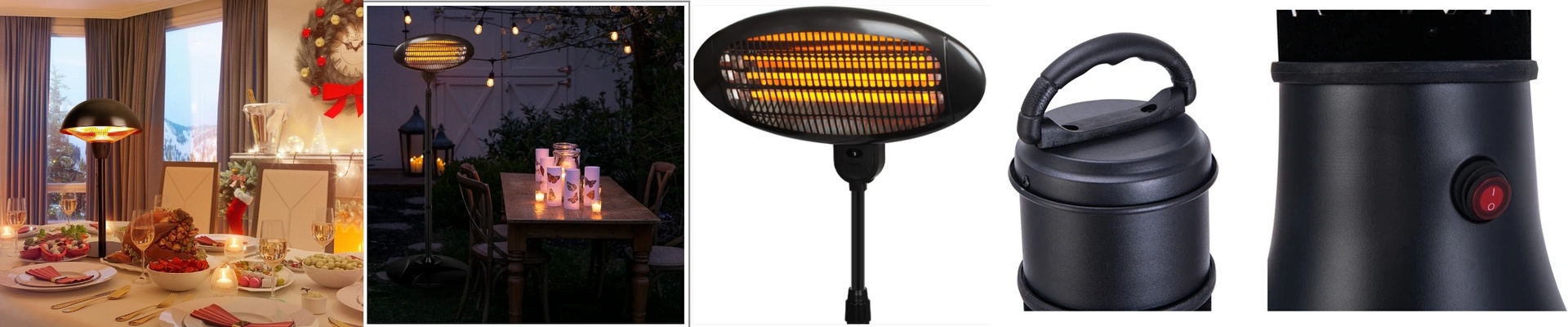

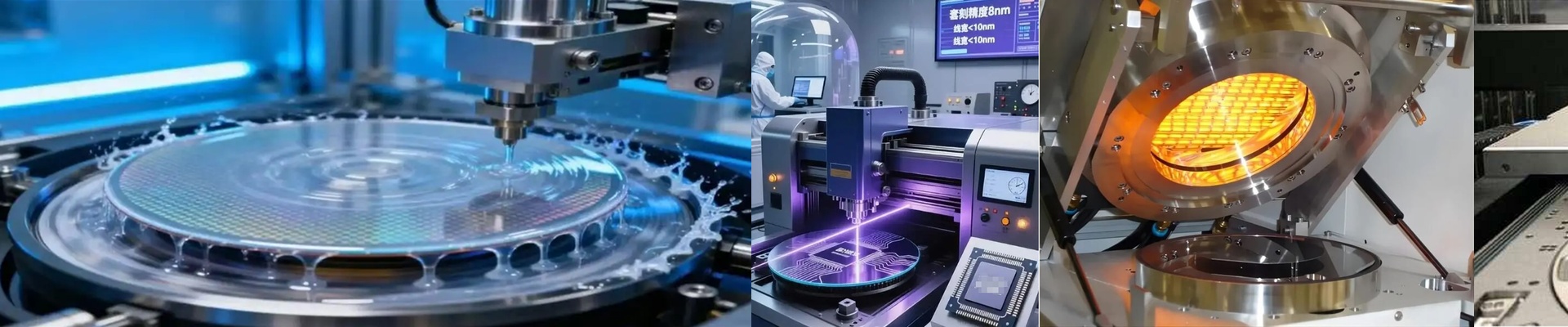
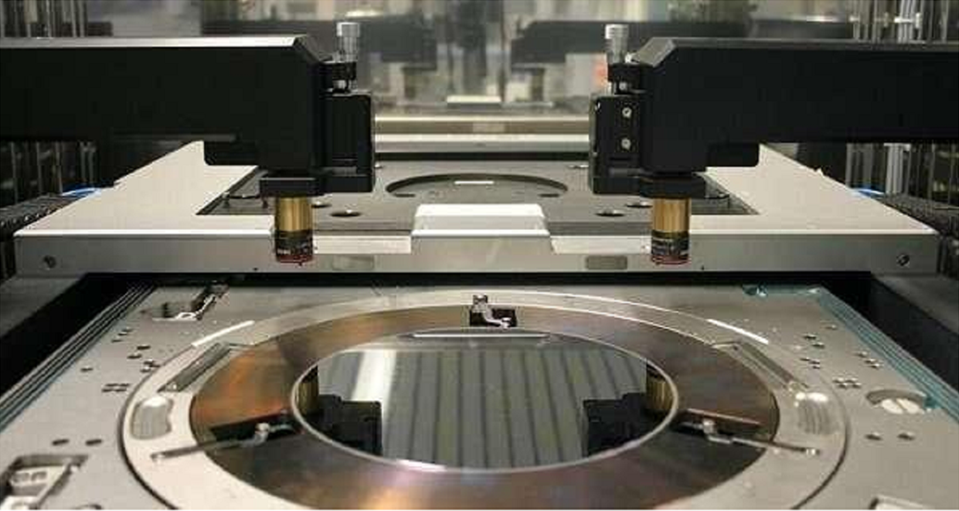
On the lithography floor, a half-degree drift in photoresist soft bake isn’t a footnote. It shows up as line-width excursion, solvent retention, and yield loss that no audit can explain. We built our IR soft bake modules to take that uncertainty off the table, because wafer drying and photoresist processing need repeatable heat, not guesswork. What matters under the hood We match short-wave infrared emitters to the absorption band of common photoresist solvents, so energy goes straight into the film without overheating the substrate. The result is rapid, non-contact heating with wafer-level uniformity of ±0.1°C across the bake surface. Control is closed-loop, using calibrated sensors and a thermal profile you can lock per recipe—soft bake, hard bake, and post-apply bake—without operator drift. The system runs in cleanroom Class 1–100 and is engineered for zero particle generation, keeping defect counts off the wafer. Here is why this approach holds up in practice. In wafer drying, IR delivers fast, even heating that pulls residual moisture out quickly and consistently. In photoresist baking, that same precision translates to stable viscosity, consistent thickness, and predictable critical dimension control. Package curing and cleaning drying benefit too, because the thermal budget stays repeatable run-to-run and line-to-line. Uptime is the real scorecard: these units run 24/7 with minimal maintenance, and repeatability cuts rework, scrap, and the hidden cost of requalifying processes after thermal excursions. A couple of practical notes. IR bake performance comes down to matching the emitter spectrum to the resist chemistry and keeping a clear line-of-sight to the wafer surface. Load orientation, wafer backside conditions, and exhaust management can still affect edge uniformity, so we recommend a short site-specific qualification bake to finalize the recipe. Once that’s done, the process stays in control—less thermal variability, fewer surprises on the daily lot sheet.