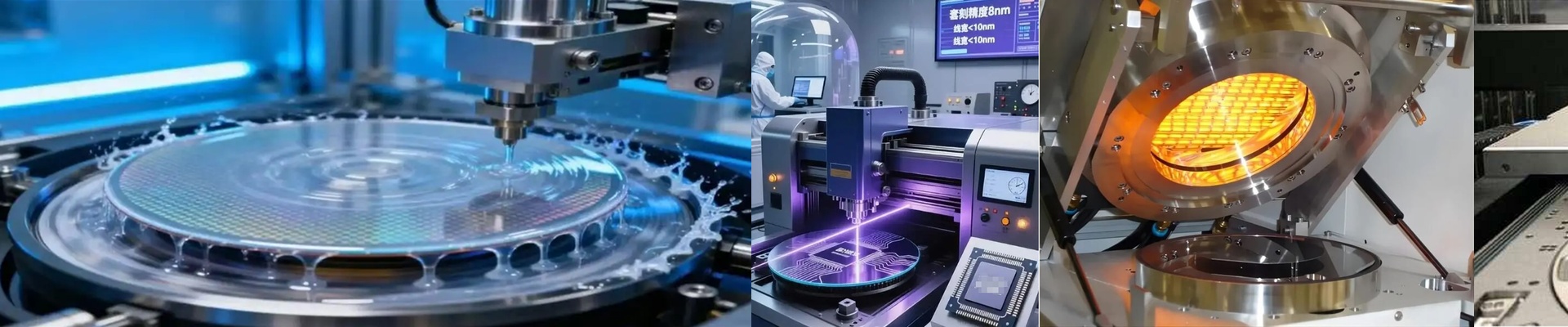

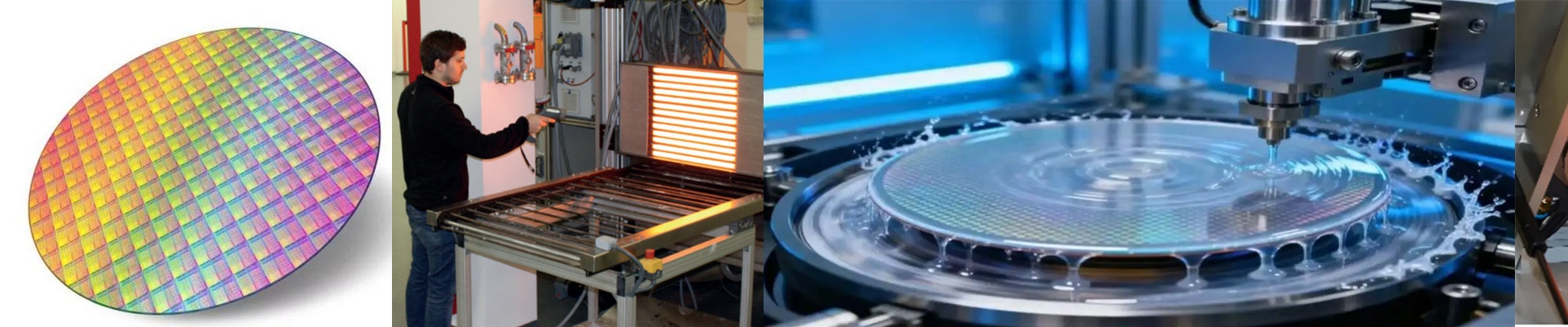
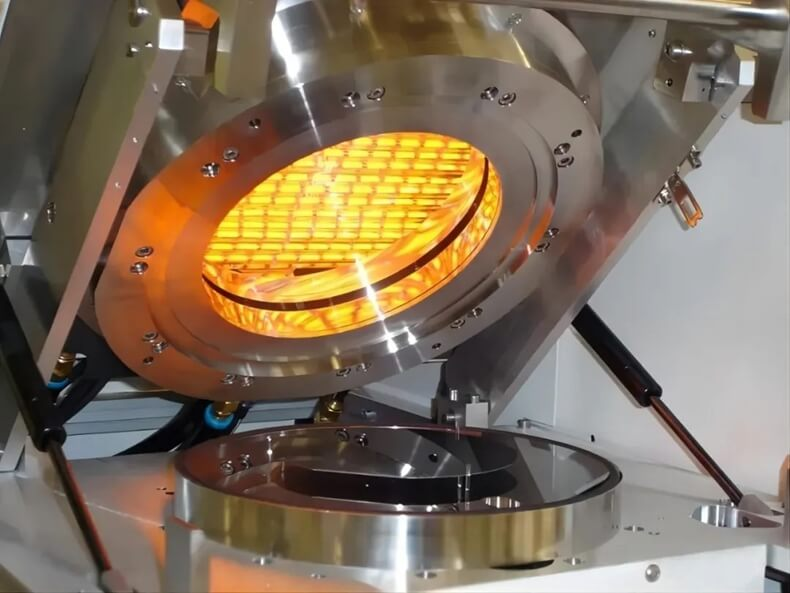
On the fab floor, a 5nm node doesn’t give you any room to drift on temperature. One hotspot in the CVD chamber and you’re staring at thickness non-uniformity, stoichiometry drift, and wafers that get scrapped before they even leave the tool. That heater has to land exactly where the recipe calls for, run after run. What matters, technically We build the CVD heater around short-wave infrared elements that put a controlled thermal field across the susceptor—tight, sub-millimeter focus. You get wafer-level uniformity within ±0.1°C, and setpoint repeatability that holds across lots and shifts. The response is fast enough to track recipe steps without overshoot, so you don’t wreck film stress or Deposition selectivity. The body is quartz and high-purity ceramics, chosen to keep particle generation near zero—because in a Class 1–100 cleanroom, that’s not a nice-to-have, it’s the baseline. Output stays stable through 5,000+ hours, with drift kept below 5%. Why this plays in CVD CVD is all about managing thermal budget. Tight uniformity means fewer edge-kill rejects and less rework. Fast settling cuts cycle time and lowers energy use by trimming idle soak. Cleanroom-compatible materials and sealed interfaces keep particle counts down, so you spend less time on preventive cleaning and more time in production. The same thermal control carries over to photoresist bake steps—soft bake and hard bake—where it protects CD control and sidewall profile by keeping hot-spot-induced flow out of the picture. Here’s what to watch for Installation comes down to mounting flatness and shielding. Reflection off chamber walls and fixtures can create localized feedback, so we specify baffles and orientation. The fast thermal response is an advantage, but it also means you need a controller that can keep up—PID tuning matters. Plan a short commissioning run to map your chamber’s emissivity and lock in setpoints that deliver repeatable film thickness, every run.