
Introduction
Here’s the thing about heating up a tough industrial space or a drafty outdoor spot. You want warmth that hits right where you need it, not some blanket of heat that fades out a few feet away. That’s why we built these wall-mounted infrared heaters. They’re all about direct, localized heat. But there’s a sneaky problem we had to solve: dust. Just a light layer of it on the heating element can quietly kill your efficiency. This isn’t just a theory. It’s physics. So let’s talk about why that happens, and the simple steps you can take to keep your heater running strong for years.
The Nitty-Gritty
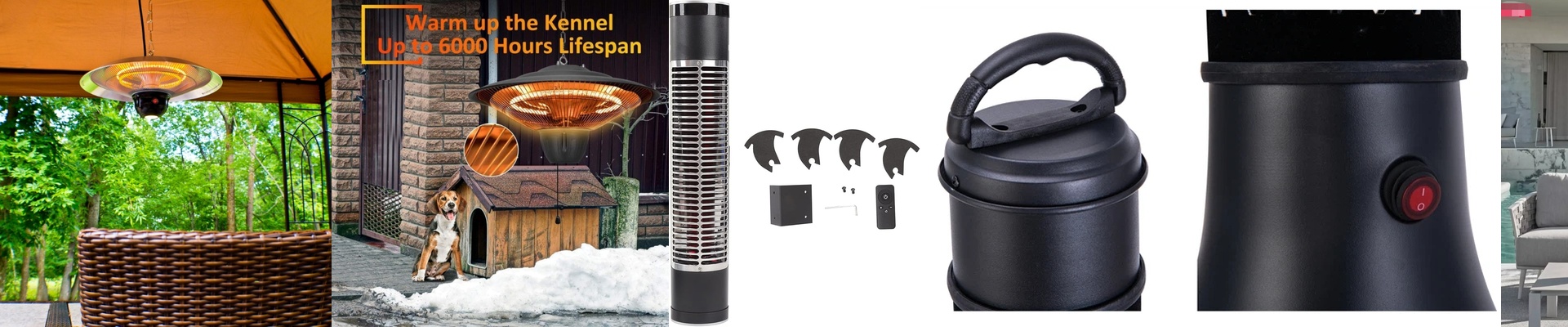
How these heaters work is pretty elegant. They send out heat through radiation, not by warming the air. That means the condition of the tube itself is everything. When the halogen tube is clean, it performs exactly as it should. But when dust and carbon build up, they form a kind of insulating blanket. The filament inside has to work overtime, running hotter just to get the same heat out. The result? You’re pulling more electricity for the same amount of warmth. We design our units to work with the electrical setups you actually have on site. They come in standard voltages—220–240V or 380–400V—and power ratings from 1500W to 2500W. We also choose the tube length based on the job. A shorter, 300mm tube gives you a tight, intense beam. Go longer, and you spread the heat over a wider area. The goal is to make sure the heater is a dependable, predictable part of your system.
What We Put Inside
We lean on halogen technology because it keeps the filament running hot and clean. That stability is what gives you consistent output and a longer tube life. And the quartz envelope? It’s built to handle extreme heat and the constant cycle of heating up and cooling down. We also add a protective coating to the quartz. It might seem like a small detail, but it makes a big difference. It prevents grime from sticking, so when it’s time to clean, a quick wipe is all it takes. Out in the real world, the connectors matter more than you’d think. We use R7s and Sk15 terminals because they provide a solid, high-current connection and make the wiring straightforward. A tight, secure connection means less resistance at the joint. That prevents hot spots and voltage drops. So even as the lamp expands and contracts over and over, it keeps burning true to its specs.
How It All Comes Together
Mounting these on a wall frees up floor space and lets you aim the heat exactly where you want it. They’re perfect for spot heating or keeping pipes from freezing. But there’s a trade-off. The heat is intense, so the enclosure and mounting hardware need to be ready for the higher temperatures. Keep the tube clean, and your energy use stays right in line with the ratings. A quick inspection and cleaning every 500–1000 hours, and a check to make sure the electrical connections are snug. That’s it. That simple routine is how you keep the heater humming along, season after season, like it’s brand new.