

Introduction
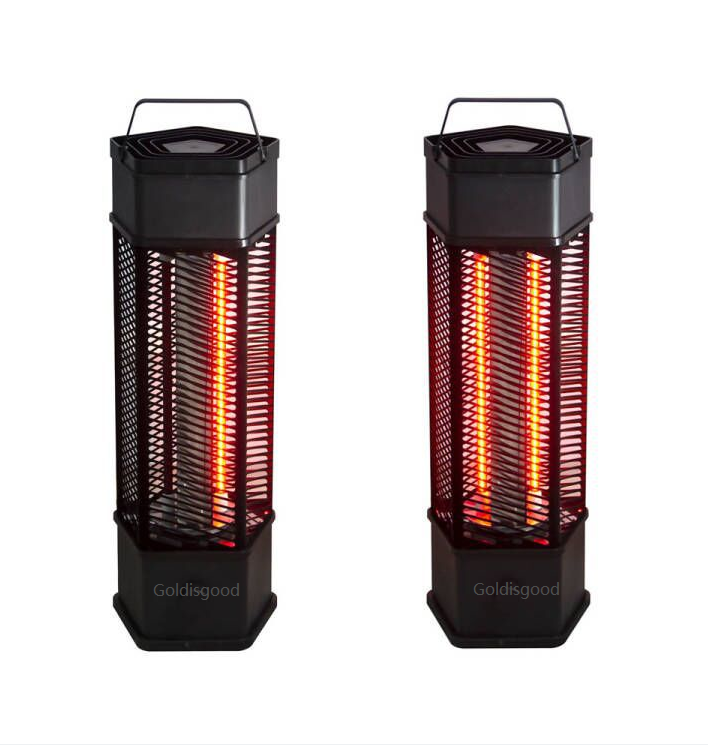
We make serious infrared electric heaters, the kind built for basements. But honestly, the biggest headache isn’t just cranking out heat. It’s getting the thing to play nice with the power grid, wherever in the world you’re shipping it. So we built the whole thing on a modular system. That way, we can set it up to match whatever voltage a place uses and plug it into the local outlet.
The Power Matching Game
Here’s the thing about heating a basement: you need a lot of power in a small package. Our heaters are flexible—they can run on anything from 110V to 400V. That means you don’t have to rewire your whole electrical panel every time you install one. The power level simply matches the voltage you need, so you get the right amount of heat for the space. But, and this is important, the higher wattage models pack a punch. You can’t just wire them in. The wiring and the circuit protection have to be up to the task. The infrastructure needs to match the load.
Built to Last
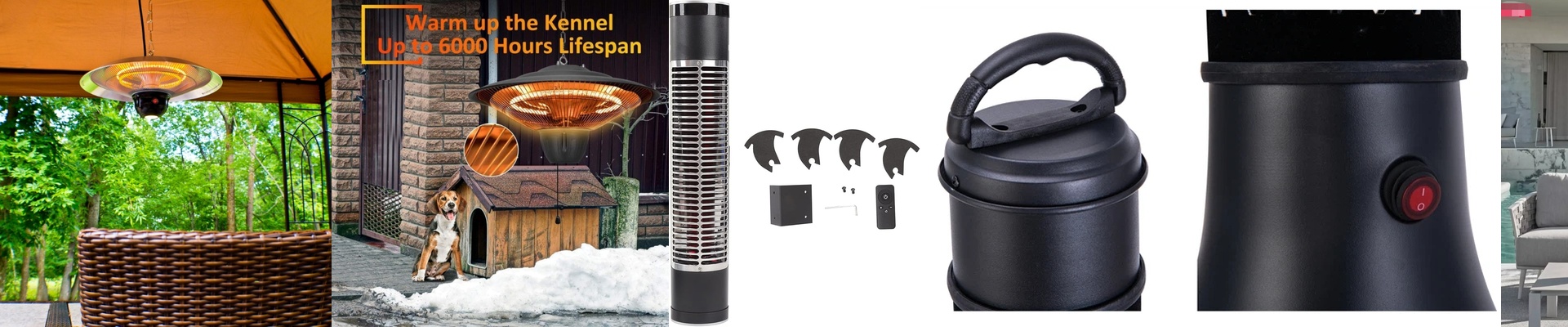
We use quartz infrared elements because they can handle the constant heating up and cooling down without cracking. Inside, a halogen gas fill keeps the filament steady, so the heat stays consistent, even after thousands of hours of use. And when it comes to the electrical connection, we don’t mess around with flimsy consumer plugs. We use heavy-duty, industrial-grade connectors like R7s or Sk15, depending on the power draw. They’re designed to carry a heavy current safely, without getting hot or sparking. You just plug in and know it’s a solid connection.
One Heater, Anywhere in the World
This is where it gets really useful. You don’t need to stock a whole warehouse full of different heater models for different countries. We build your unit to match the exact voltage and plug standard of its destination during manufacturing. That means one model becomes a plug-and-play solution for your entire global network. You get the simplicity of a single SKU, you cut down on inventory, and you can deploy units in the field faster. The catch? You have to tell us the local power requirements upfront. Once it’s built to those specs, changing it means we have to start the assembly process all over again.