
Introduction
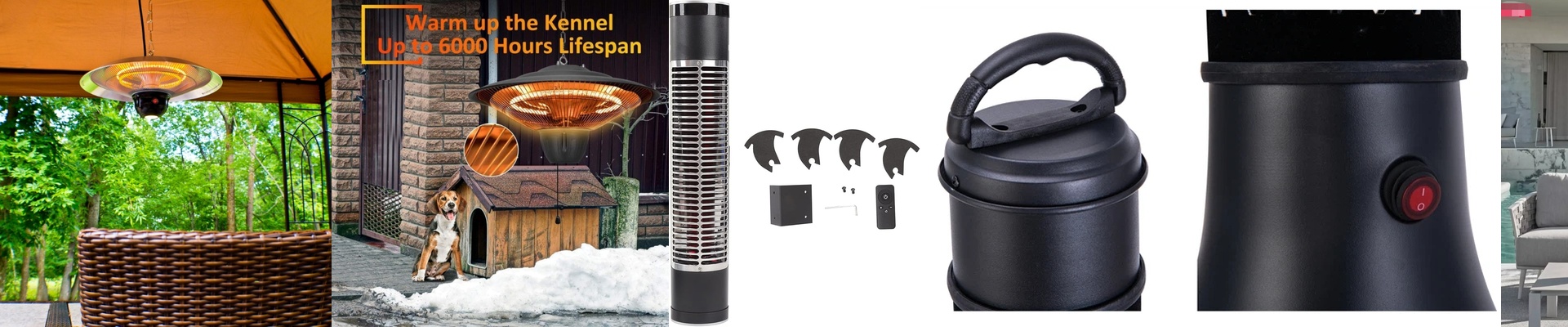
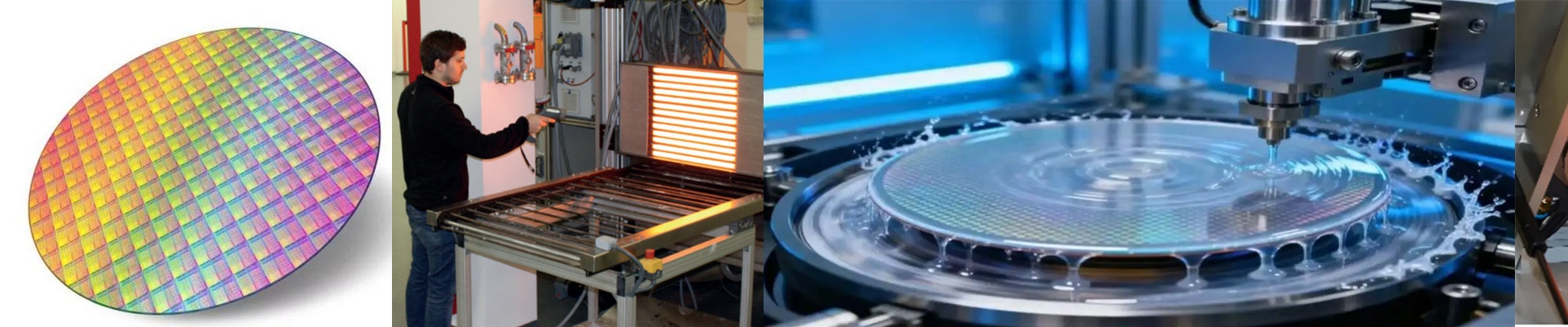
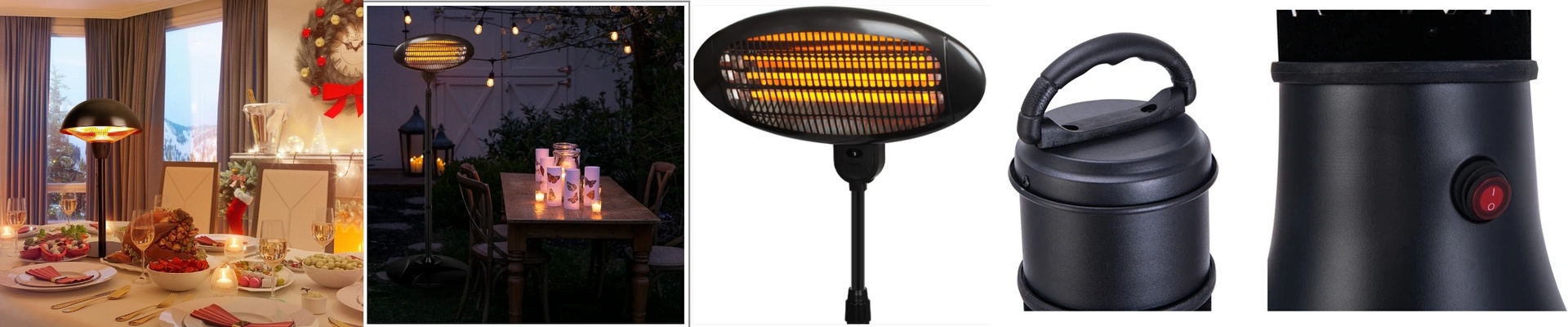
Ever been on a construction site when the heater kicks on? That blast of forced air just stirs up concrete dust and leaves the air bone-dry. It’s a nightmare for anyone with sensitive lungs. So, we built something different. An industrial infrared heater with one job: warm things up without kicking up dust or sucking the moisture out of the air. How? It uses a powerful halogen lamp that radiates heat directly onto people and objects, completely skipping the air movement.
The Tech, Plain and Simple
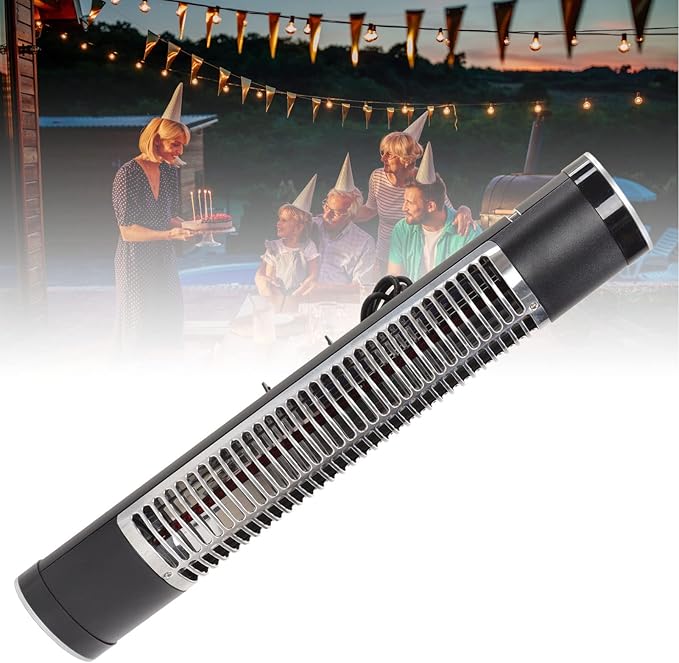
At the heart of it is a beefy 2500W halogen tube, designed to run on standard 400V industrial power. Why that voltage? It keeps the current lower for the same power, which means less energy is wasted in the wires. That also lets us use thinner wiring, which is a huge help when you’re running cable across a sprawling site. The tube itself is compact—about 300mm long. That means it fits into tight shelters and temporary enclosures without needing a ton of extra space. It focuses all that heat into a small area, so you get warmth fast and can control the temperature more easily, no matter how chaotic the job site gets.
Built to Last
The tube is housed in a quartz envelope and uses a halogen cycle. This keeps the brightness steady and stops the tube from blackening out early, even after being switched on and off all day. The reflector is sealed tight and coated to aim the infrared heat forward and down. That means less wasted energy and no hot spots. For installation, it uses an R7s base that clicks in securely without any tools. It’s tough enough to handle the constant vibration from equipment and people walking by. And since it’s a drop-in design for most standard fixtures, swapping out a lamp is a quick job. No rewiring needed.
What It’s Like on the Job
Here’s the best part. Because it’s radiant heat, it doesn’t blow air around. The dust stays put, and the humidity level stays much more stable. That’s a game-changer for workers who need a warm, breathable space during a cold shift. Now, there’s a trade-off. You’re getting intense, focused heat. The area right in front of the heater warms up fast, so you need to make sure any nearby cooling is sized right to avoid overheating the whole shelter. But for construction heating where clean air and a quick response matter, this setup is just straightforward. It’s reliable. And it’s easy to keep running.