

Why we stress-test every single lamp we make
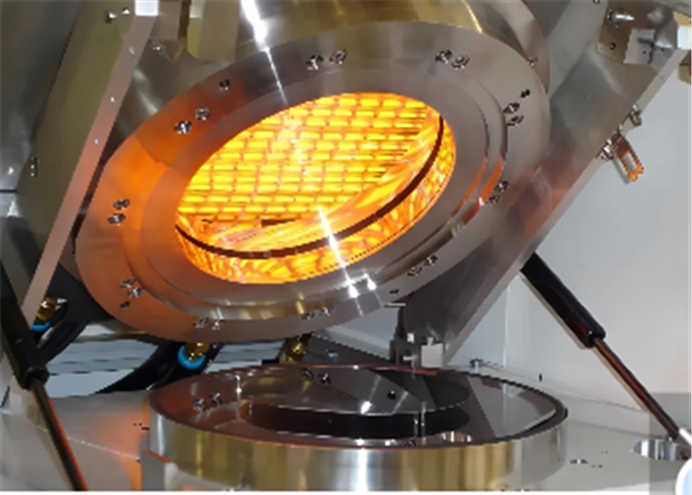
Every single lamp tube that leaves our shop goes through a “gauntlet” of withstand voltage (HiPot) and insulation resistance tests. No exceptions. Here’s the thing: in high-power industrial heating, a tiny, microscopic crack in the quartz or a bit of grime on an electrode seal isn’t just a flaw. It’s a disaster waiting to happen. Once you wire that lamp into your system, those little defects can trigger a catastrophic short circuit.
We don’t do “batch sampling”
A lot of shops just test a few random lamps from a batch and hope for the best. We don’t work like that. When you’re running high-wattage infrared arrays, a failure is more than just a blown fuse. It can literally weld a contactor shut or fry your controller’s output stage in a heartbeat. To stop that, we use dielectric testing. We force high voltage across the insulation to hunt for weak spots. If the current leaks even a little bit past our limit? That tube is scrap. Then there’s the insulation resistance test. We’re looking for any hidden paths between the heating element and the outer shell. This is the big one. It’s what keeps the lamp chassis from becoming live. Because let’s be honest—nobody wants to get a shock just for touching their equipment.
The balancing act
Pushing a tube to its limit is a bit of a tightrope walk. We have to apply enough voltage to catch the defects, but not so much that we stress the quartz and cause it to fail early once it’s actually working in your plant. It’s a brutal process. But it’s the only way to make sure your lamp doesn’t burn out the second you hit full power.
What this means for your gear
Rigorous quality control kills “infant mortality.” You know, those annoying lamps that die in the first few hours of use. By weeding out the lemons with poor insulation, your power supplies aren’t fighting leakage currents. Your digital controllers stay stable. Your circuit breakers stop tripping for no apparent reason. You just get a replacement that drops right in and works exactly like it should from hour one.