
Stop Wasting Time With Hot Air: Why IR is the Way to Go for Semiconductor Rinsing
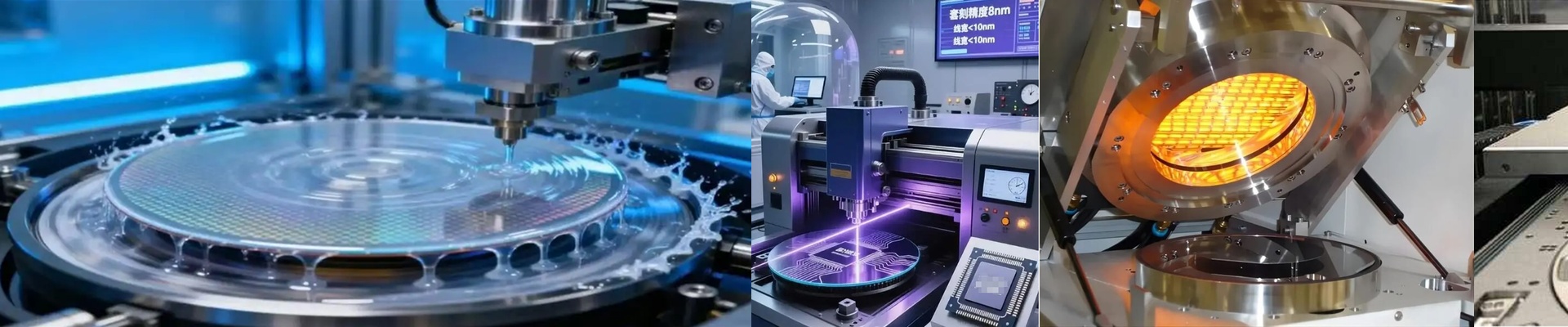
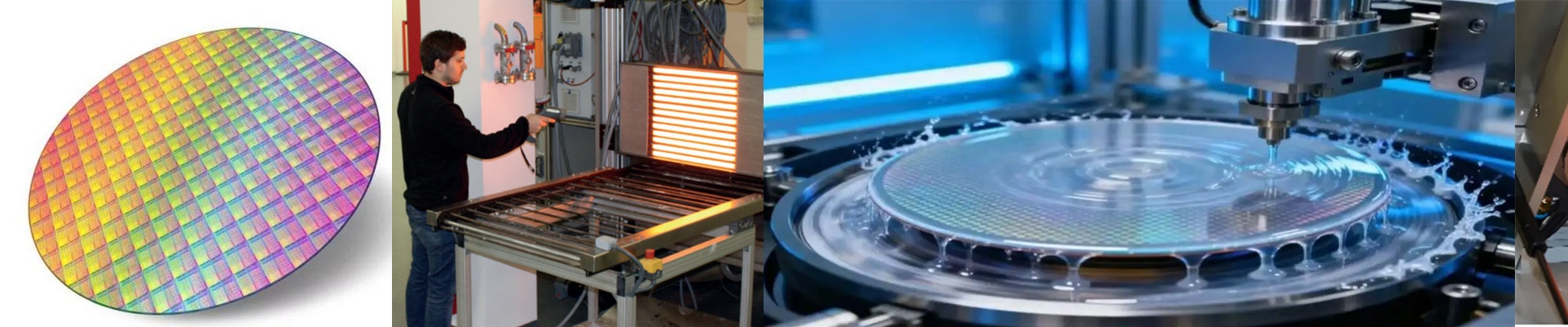
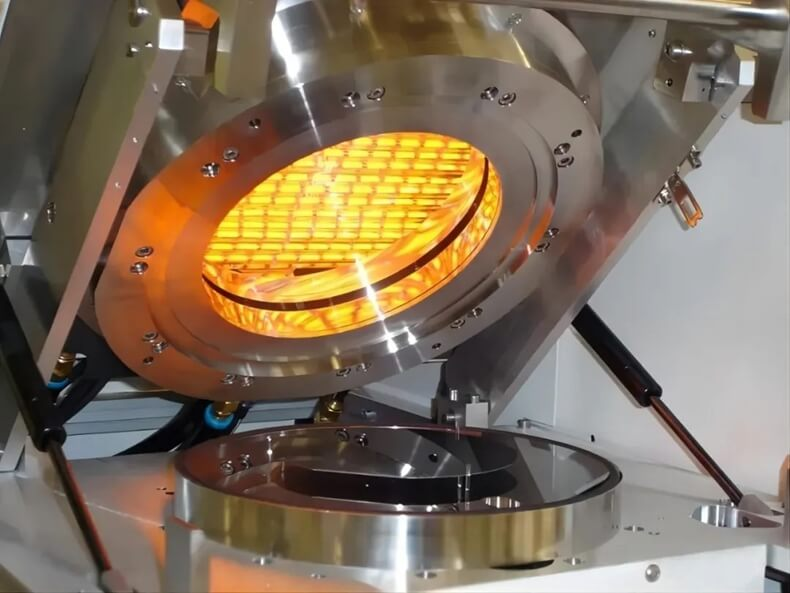
Let’s talk about time. In semiconductor processing, every second you spend waiting is basically money leaking out of the building. For a long time, we’ve relied on hot air circulation to dry things off. But here’s the problem: hot air is slow. It relies on convection, which means you’re spending way too much time heating up a giant chamber of air just to get a wafer dry. You’re essentially heating the whole room when all you actually care about is the part. That’s where waterproof IR lamps come in. Instead of warming up the air, IR lamps shoot radiant energy straight at the substrate. It hits the moisture and evaporates it almost instantly. We’re talking about moving from a drying cycle that takes minutes down to one that takes seconds. It’s a night-and-day difference. Now, you might be thinking, “Wait, these are rinse stages. It’s wet in there.” You’re right. A standard lamp would probably short out or crack the second a stray droplet hit it. That’s why we use lamps with specialized seals and quartz envelopes. They’re built to take a beating. You can have rinse droplets flying around, and these things just keep humming along without blowing a fuse. Of course, it’s not all magic. There are a few things you have to watch out for. Because IR heat hits so fast, it’s easy to overshoot your target temperature if your PID controllers aren’t dialed in perfectly. You also have to keep an eye on your power. Replacing a blower motor with a bank of IR lamps changes your electrical load. Before you flip the switch, double-check that your panels can handle the peak amperage during that initial ramp-up. But once you’ve got that sorted? The throughput is incredible. By cutting out that annoying “warm-up” phase, you can push way more wafers through the line every hour. It’s a simple swap that clears out the biggest bottleneck in the whole process.