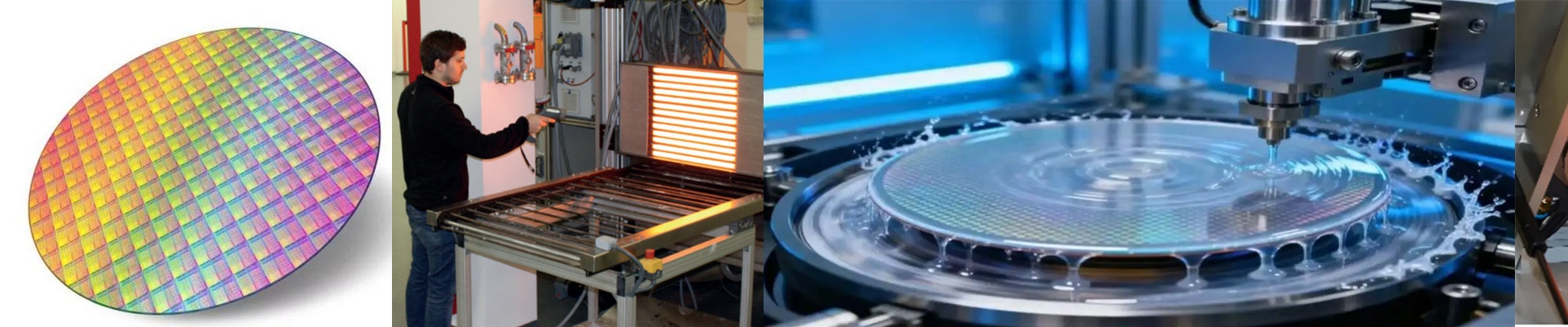
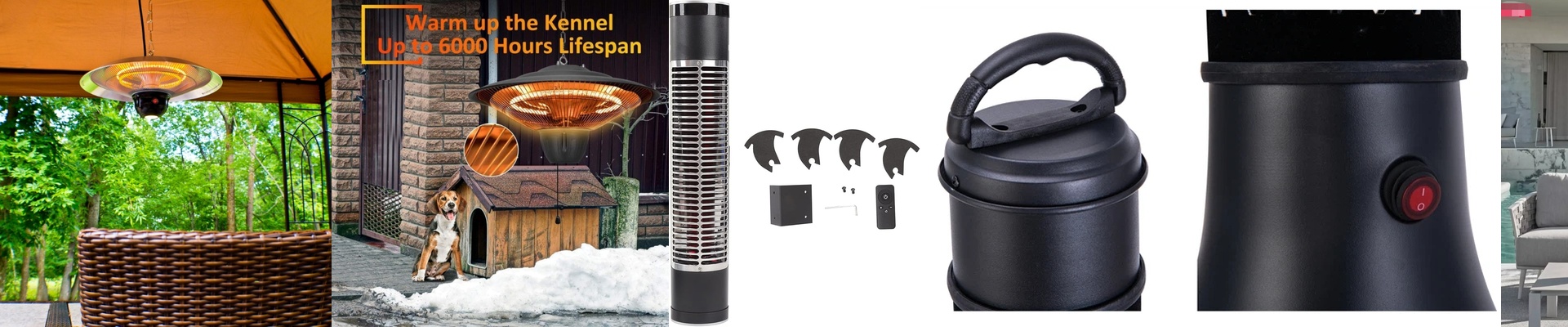
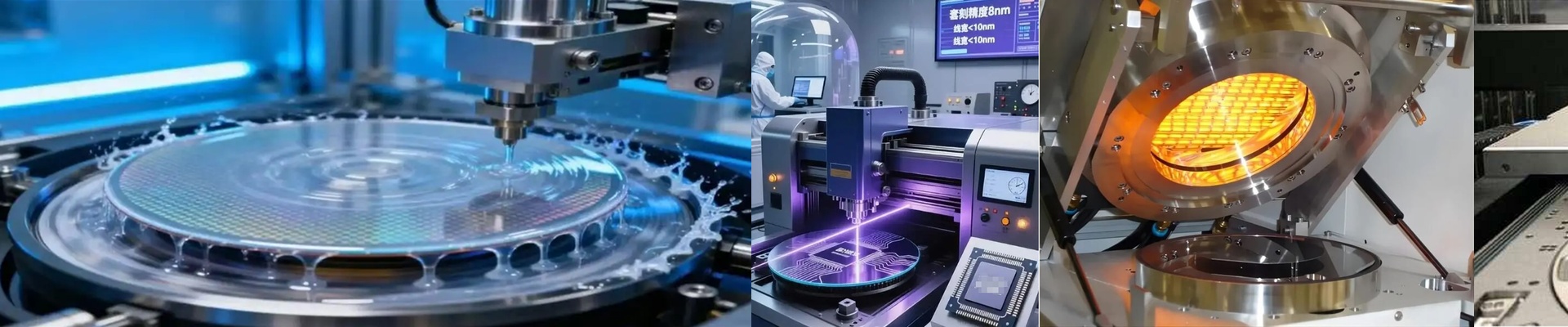

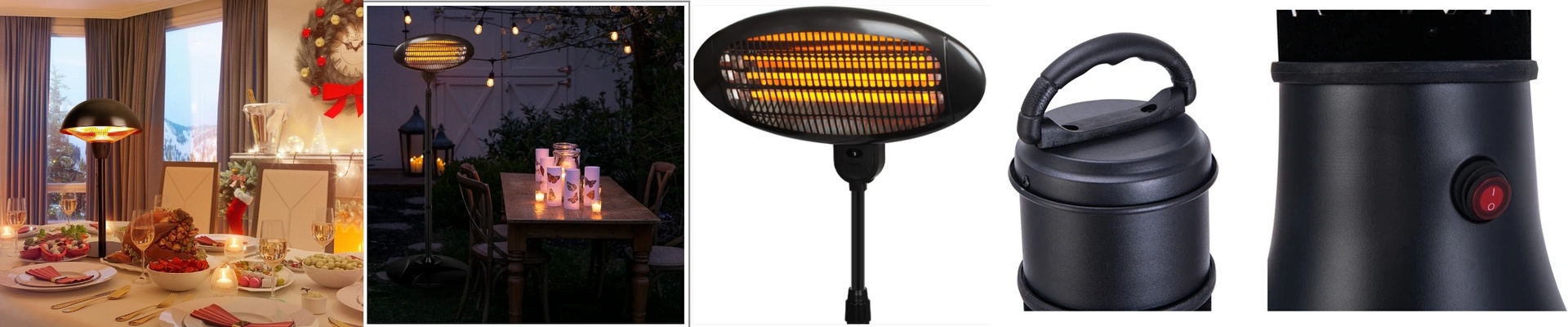
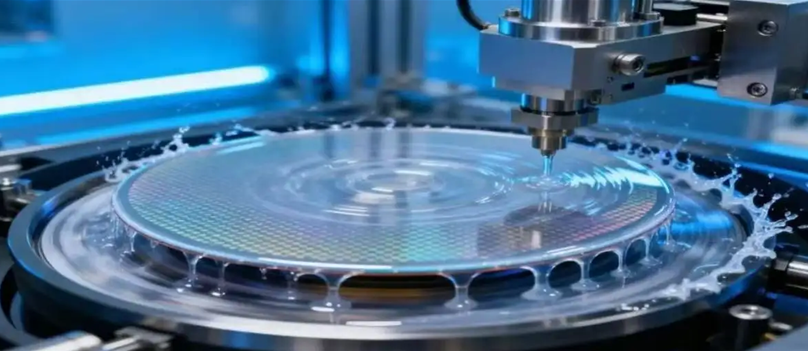
Watch a wafer come off the wet station. If the drying lamp is lagging, you’ll see moisture hang around, and then the photoresist starts lifting. Batch yields take a hit. We designed our solar cell wafer drying lamp to stop that from happening. Here’s what matters under the hood. The unit leans on NIR emitters for fast, volumetric heating that dries the wafer without cooking the substrate. Thermal uniformity across the wafer stays within ±0.1°C, so your soft bake and hard bake profiles stay consistent, lot after lot. It runs in Class 1–100 cleanrooms without adding particles, keeping defect counts where they need to be. You get repeatable setpoint control, uptime you can count on, and output that stays stable past 5,000 hours. On the line, thermal budget is tight. This lamp dries quickly while keeping thin films and passivation layers intact. The payoff is shorter cycle times, lower energy draw, and fewer reworks. In packaging, the same precision cuts down moisture-related failures and gives you more margin in the process window. Yield stays predictable, and the process doesn’t change just because the shift changed. A few practical notes. The lamp needs a dedicated, clean power feed and careful thermal management around the head. It performs best in controlled environments—ambient humidity swings above 70% RH will stretch drying time, so address that at the tool level. Fitting it into your existing wet bench footprint is straightforward, but double-check the connector type and voltage before you order.