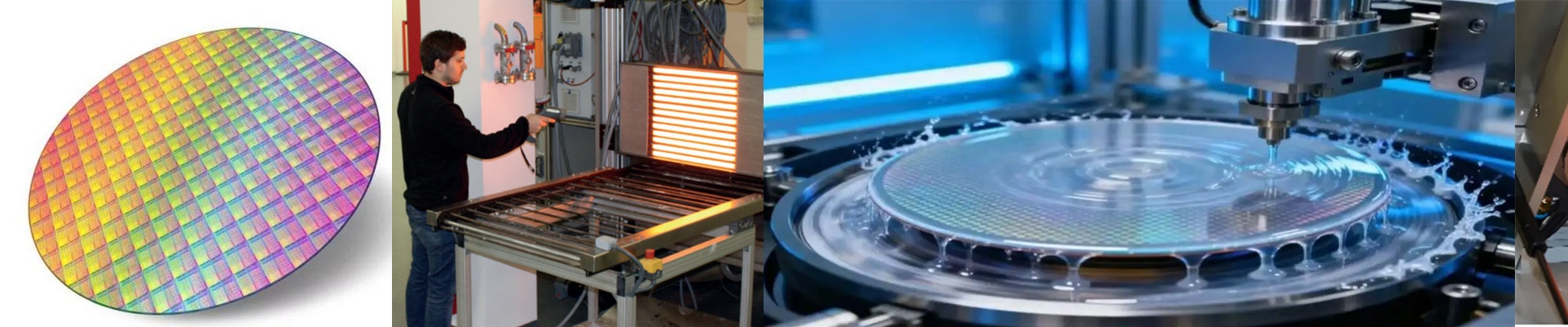
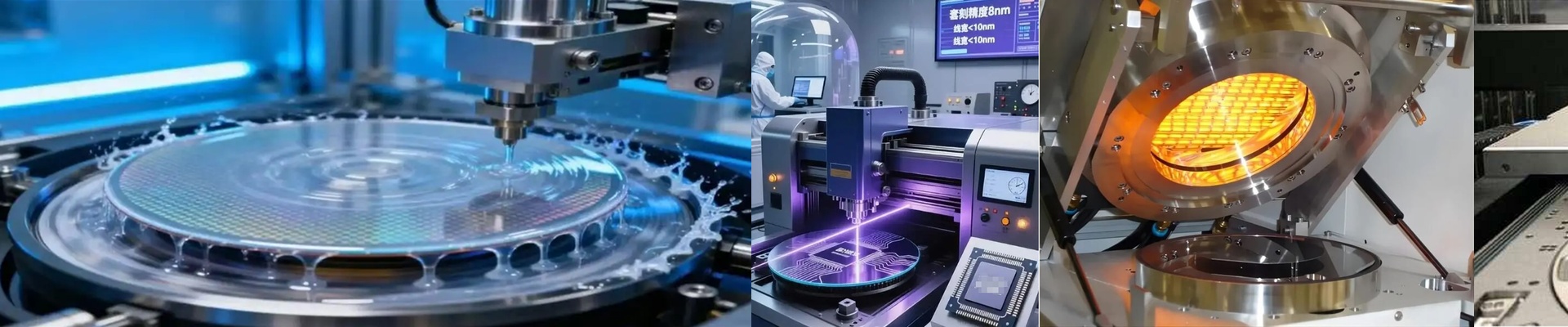

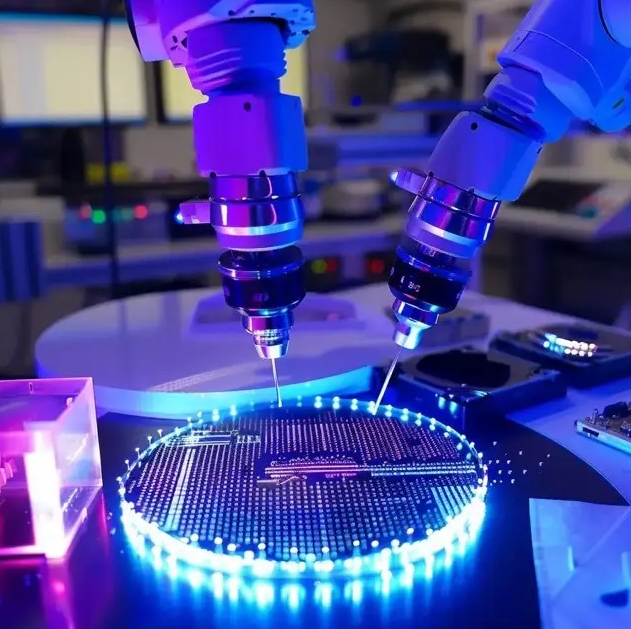
Out on the packaging floor, a CSP heater going down stops the whole line. Every minute of unplanned downtime means scrapped wafers and margin going up in smoke. We built our wafer-level CSP heater to run 7×24 without throwing a fault, because when you’re chasing yield, uptime comes first. What matters, technically We spec thermal uniformity at ±0.1°C across the wafer, so every photoresist soft bake and hard bake lands inside the thermal budget—no edge bias. It’s cleanroom-ready from Class 1 to Class 100, and the heater geometry is engineered for zero particle generation. No extra scrubs. No yield hits. Repeatability is locked in by a stable, closed-loop temperature profile that holds setpoints cycle after cycle. Plan on service life measured in tens of thousands of hours, not thousands, with maintenance windows you can actually predict. Why this works in wafer-level CSP In wafer-level CSP, temperature repeatability is what buys you bond integrity, warpage control, and consistent line widths after lithography. You can tighten spec limits without chasing drift. Energy use drops because the heater hits setpoint fast, then idles clean. Unplanned stops fall when the unit survives continuous operation without thermal fatigue or hot-spot failures. Fewer rework lots. Stable particle counts. The process behaves the same at shift change as it does at midnight. Here’s what you need to know Installation means matching the chamber footprint and confirming connector compatibility—we provide the interface drawings and pin map. The heater only performs within spec when chamber exhaust and coolant flow match the rated conditions. Airflow changes will shift uniformity. Set the first preventive check at 2,000 hours to verify temperature calibration and cleanliness. After that, you can stretch intervals based on your own measured drift data.