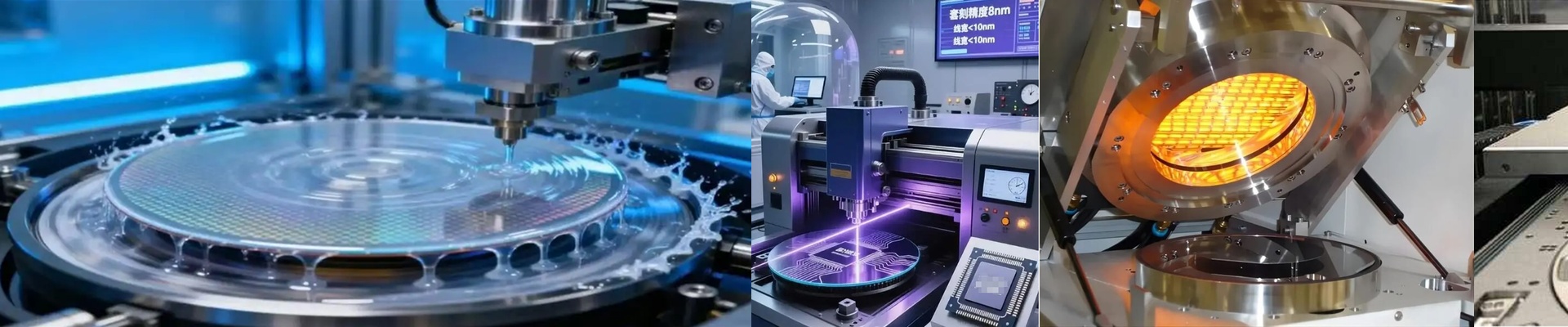
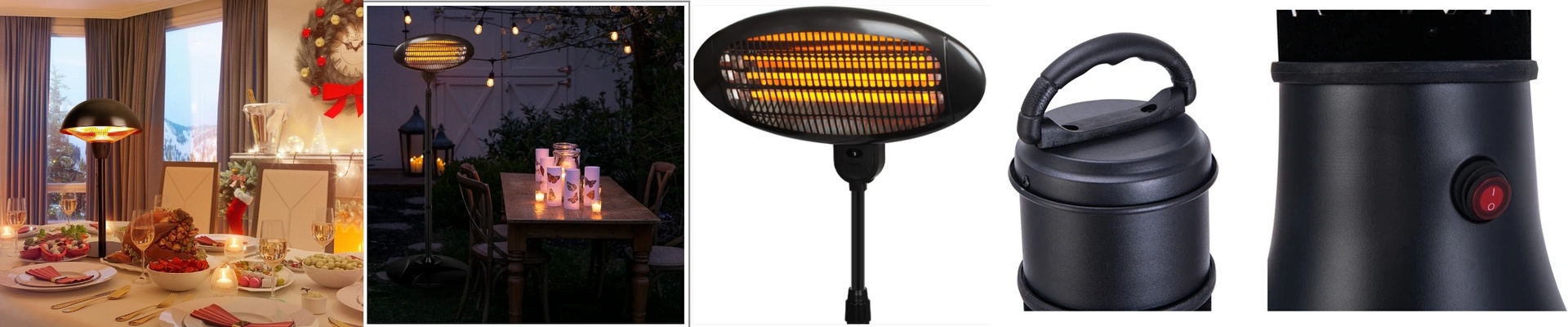

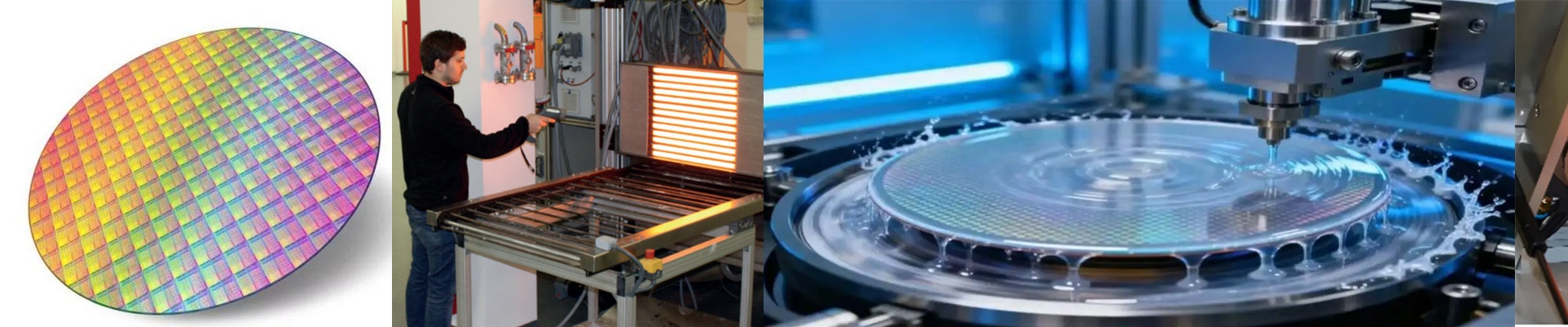
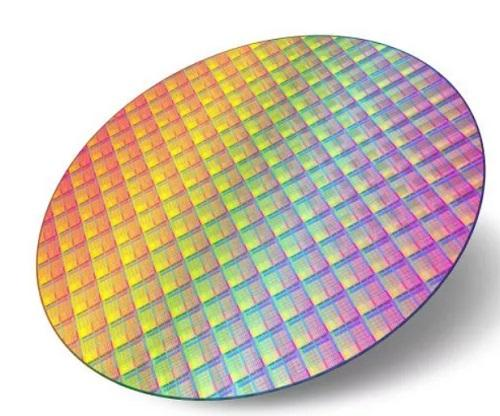
On the lithography floor, a 0.5°C drift during the photoresist bake is enough to push critical dimensions out of spec and scrap a whole lot. TEL heater lamps are built around the reality that temperature isn’t just a reading on a screen—it’s the thermal budget of your pattern. What actually matters under the hood We spec short-wave infrared lamps with tight spectral control so they match quartz absorption and hit the wafer fast, again and again. Wafer-level uniformity holds ±0.1°C across the bake surface, and cleanroom Class 1–100 compatibility comes from low-outgassing materials and zero particle generation. The system runs 24/7 with predictable maintenance windows, so unplanned downtime doesn’t end up on the board. Here’s why it holds up in production. Soft bake and hard bake stop being operator-dependent and start acting like stable, transferable recipes. You get consistent photoresist flow, fewer defects, and better line yields—while energy use stays in check thanks to efficient lamp-to-wafer coupling. The payoff is repeatability: the same thermal profile, lot after lot, across shifts and across tools. A couple of practical notes. Installation means matching the lamp envelope and connector interface to the specific bake track and tool footprint; we support TEL platforms with pre-validated kits. Plan for clean handling, and verify thermal setpoints against your resist stack. Even a small mismatch in emissivity or substrate stack can move the bake curve.