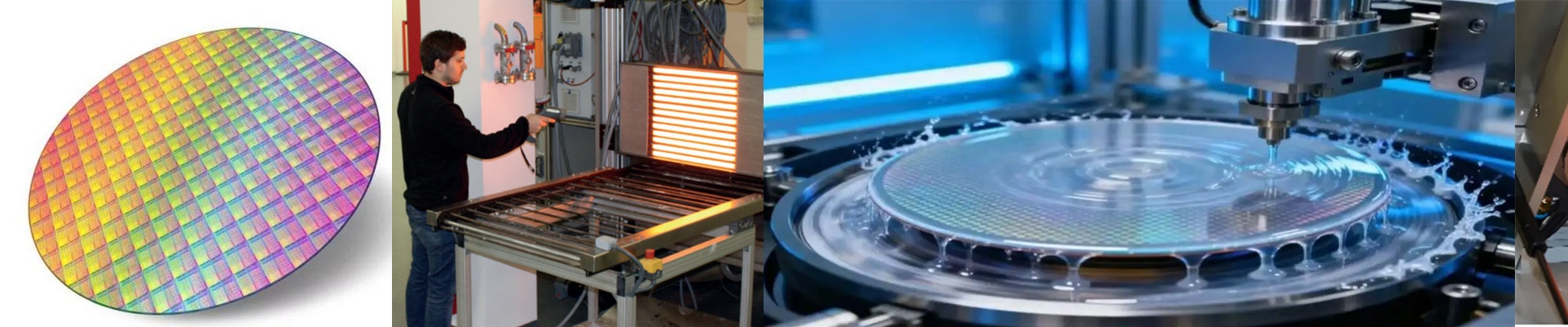
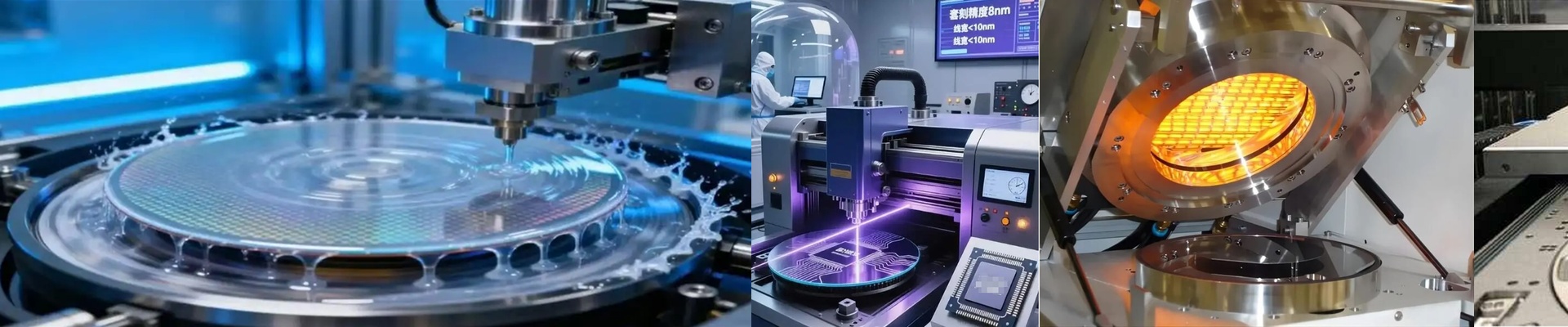

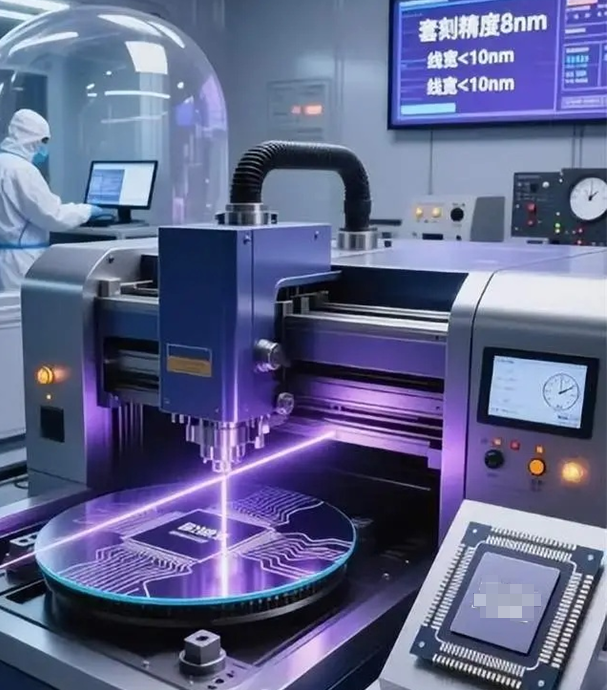
On the 300mm line, wafer thinning is less about brute force and more about managing the thermal budget. If the support heater starts to drift, the chuck runs hot, the adhesive softens, and the wafer begins to bow. You don’t see a catastrophic failure on the spot. You see edge cracks and yield loss later, after the fact. What Actually Matters The support heater on our wafer back grinder is built around fast, stable infrared heating with tight uniformity. In production, we keep wafer-level temperature within ±0.1°C across the support surface, so the chuck temperature tracks the setpoint with repeatability. The design is cleanroom-compatible from Class 1 to Class 100, and every material path is chosen to keep particle generation near zero—no outgassing, no shedding, no filmy residue. It runs 24/7 with a reliability profile that targets zero unplanned downtime, and it delivers photoresist bake-grade temperature control even when the process isn’t lithography. Why It Holds Up in Back Grinding Back grinding pushes wafers to extreme thinness, and the support heater is the stabilizer that keeps the whole stack predictable. Tight thermal uniformity reduces stress in the adhesive layer, so the wafer stays flat during grinding and doesn’t slip. Zero particle generation protects the backside surface, which directly cuts contamination after thinning and helps downstream bonding and packaging yields. That same precision also gives you consistent temperature for photoresist bake steps when the heater is used as a support platform, keeping critical dimensions in spec and improving repeatability across lots. What You Need to Get Right This heater has to be integrated at the chuck interface with a precise mounting plan—misalignment creates a small hot spot and a measurable hit to uniformity. Make sure the power and voltage match the tool’s bus, and verify that the adhesive layer’s thermal budget is within the heater’s controlled range. When the interface is correct, the heater behaves like a stable process constant, not a variable you have to chase.