
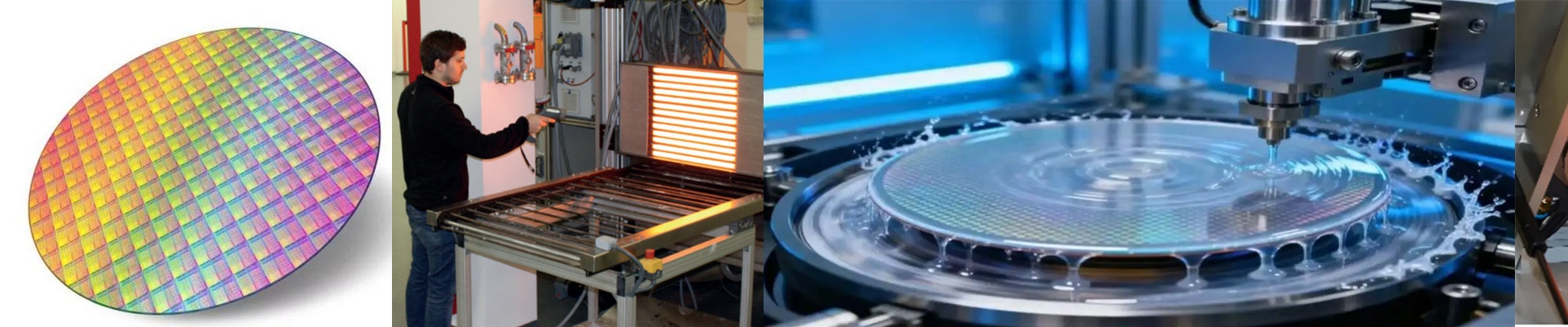
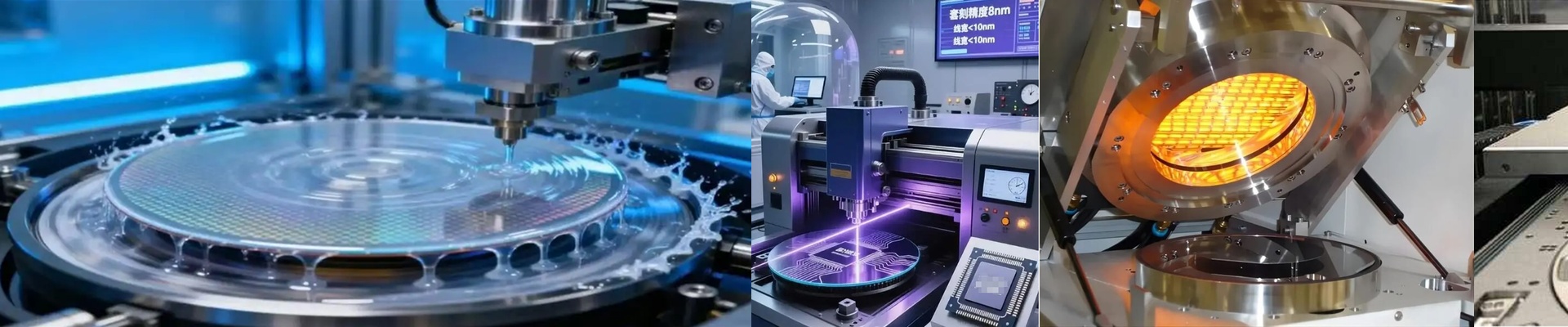
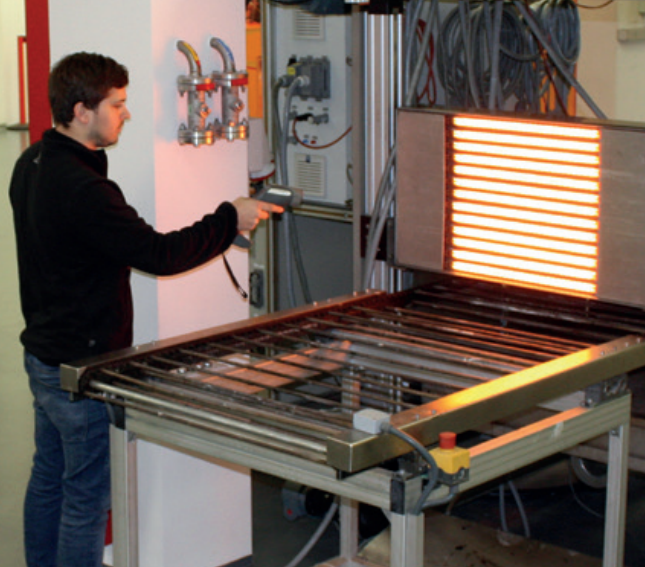
On the fab floor, a heater drift isn’t just a maintenance ticket. It’s a line-stopper that cascades through soft bake, hard bake, and wafer drying. Keep photoresist profiles tight and drying defect-free, and you need thermal repeatability inside a very narrow window. When the original unit ages, that process window shrinks—and yield follows. Here’s what matters under the hood. We build the replacement to drop into Lam Research thermal and mechanical interfaces, with wafer-level uniformity at ±0.1°C and cleanroom compatibility from Class 1 to 100. Short-wave or medium-wave infrared profiles are tuned to match photoresist thermal budgets. Zero particle generation comes from quartz and ceramic assemblies with sealed joints. Power and voltage match the chamber, and connector type, mounting tolerances, and thermal response are aligned to the original equipment envelope. Why it holds up in practice. You keep the same cycle time, the same bake profiles, and the same lithography overlay performance—no need to re-qualify the whole module. Energy draw stays within the original envelope, and 24/7 reliability is backed by temperature control that holds setpoint run after run. The payoff: fewer unplanned interventions and stable critical dimension control across the lot. A few field realities. Installation means matching the chamber connector and verifying the thermocouple position—get the orientation wrong, and the profile drifts. Plan a short qualification run after the swap, and confirm particle counts at the exhaust. We deliver the replacement as a verified, equivalent path, so you can swap it in without redesigning the process or the tool.