

Making Your Infrared Heaters Actually “Smart”
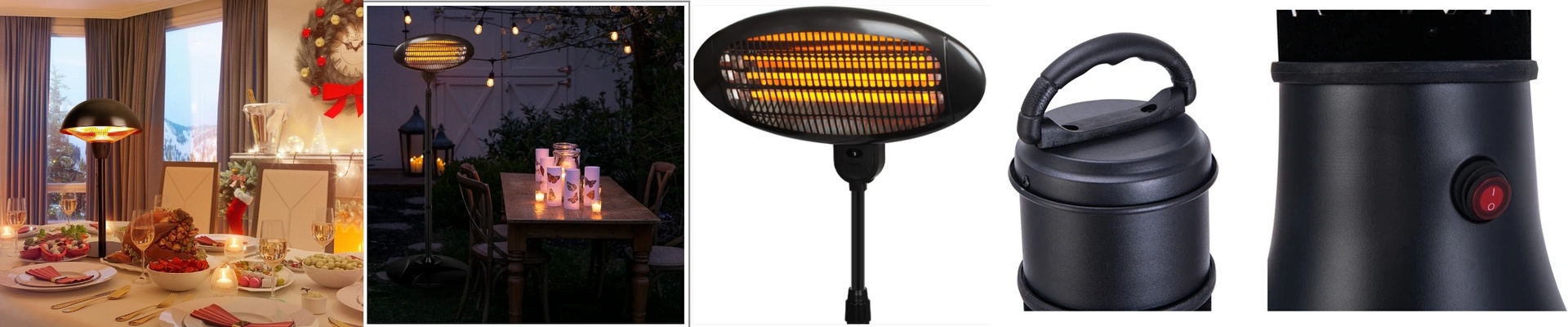
Most heaters just warm up the air, which usually means the heat floats right up to the ceiling while your toes stay freezing. Infrared is different. It hits you—and your furniture—directly. It feels more like standing in a patch of sunlight on a cold day. But the real magic happens when you stop flipping a manual switch and let your house do the thinking for you.
That “Instant On” Feeling
The best part about IR is that it doesn’t need to “warm up.” There are no radiators waiting twenty minutes to get hot. You flip a switch, and boom—heat. To get this working with a smart home, you can’t just plug it into a cheap timer. You’ll want a high-current relay or an SSR (Solid State Relay) sitting between your hub and the heater. This is what lets you tell your house, “I’m coming home,” and have the quartz tubes blasting warmth the second you walk through the door.
Setting Up the Brains
If you’ve got a lot of gadgets, your Wi-Fi can get crowded. That’s why I usually stick with Zigbee or Matter. It keeps things snappy and reliable. And please, for the love of your electric bill, pair your heater with a motion sensor. There is nothing worse than realizing you’ve been heating an empty guest room for six hours. I like to set mine so the heat only kicks in if the room is actually occupied and the temperature dips below 18°C. It just works.
A Few Things to Watch Out For
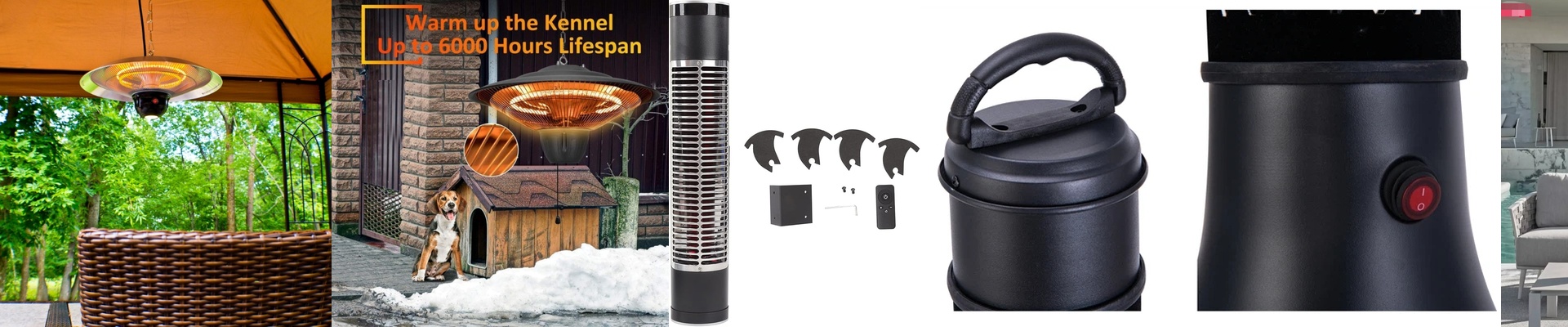
Here is the catch: these things pull a lot of power. If you try to run a 2000W heater through a standard smart plug, you’re probably going to melt something. Don’t do it. Use a heavy-duty contactor instead. Also, remember that IR doesn’t “hold” heat. The moment the power cuts, the warmth vanishes. If your settings are too tight, your heater will spend the whole night clicking on and off every few seconds. Give it a little breathing room in your settings so it stays steady and quiet.