
Why your bathroom heater doesn’t just quit after six months
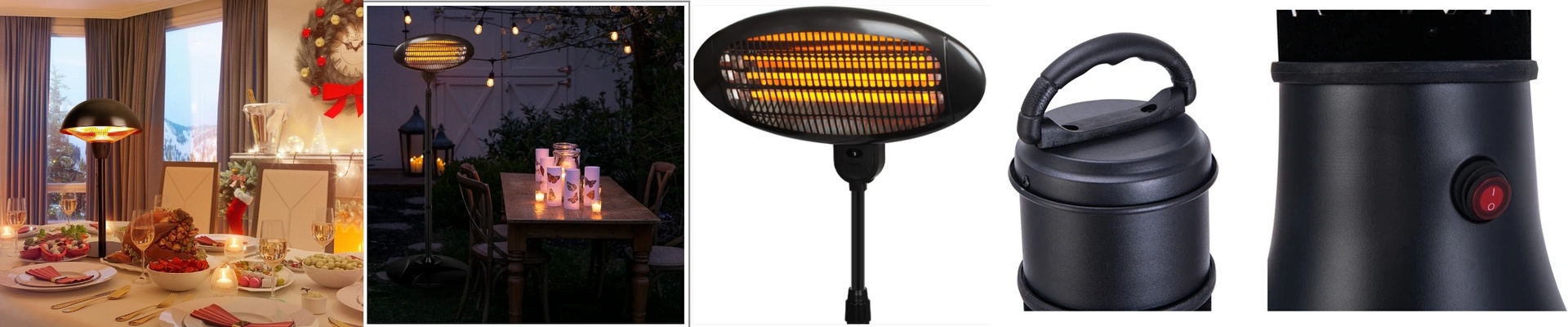
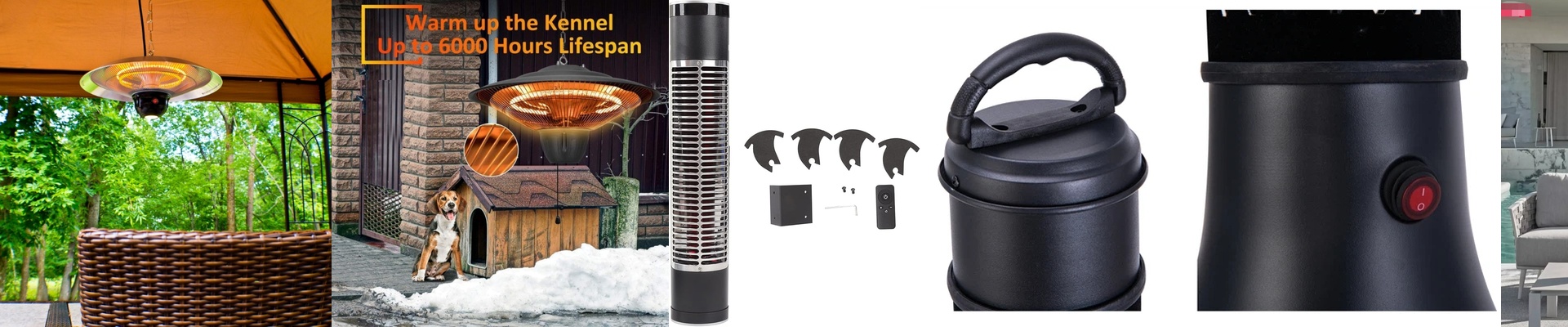
Let’s be honest: bathrooms are a nightmare for electronics. You’ve got freezing cold tiles one minute and a thick cloud of steam the next. It’s a brutal cycle of heat and moisture that basically invites electrical failures to move in and get comfortable. We don’t just assemble these heaters and hope for the best. We actually try to break them. The battle against steam Here’s the thing about water vapor—it’s sneaky. It finds every tiny gap in a seal and settles right on the electrical terminals. If that happens, you get a short circuit. Not great. To stop that, we throw our units into climate chambers. We simulate years of steamy showers in just a few weeks. It’s the only way to know if the seals are actually doing their job or if the wiring is just waiting to burn out. The “Cold Shower” problem We use shortwave infrared quartz because it’s great at heating. But quartz has a weakness: thermal shock. Imagine a hot lamp suddenly getting hit by a spray of cold water. That’s how you get micro-cracks. So, we put our heaters through a “thermal cycle.” We crank the heat up and then blast them with humidity. We do this over and over. If the glass is going to shatter, we want it to happen in our lab, not in your house. Finding the sweet spot It’s a bit of a balancing act. If we seal the unit completely to keep the moisture out, we accidentally trap the heat inside. Then the internal guts of the heater start to cook themselves. We spent a lot of time figuring out the right mix of tight seals and smart venting. The result? A heater that survives a foggy bathroom without overheating its own brain. We do this with every single batch. It’s a lot of work, but it beats the alternative. We’d much rather find a flaw on our floor than have you find it after you’ve already installed it.