

Making Smart Infrared Heaters Actually Work
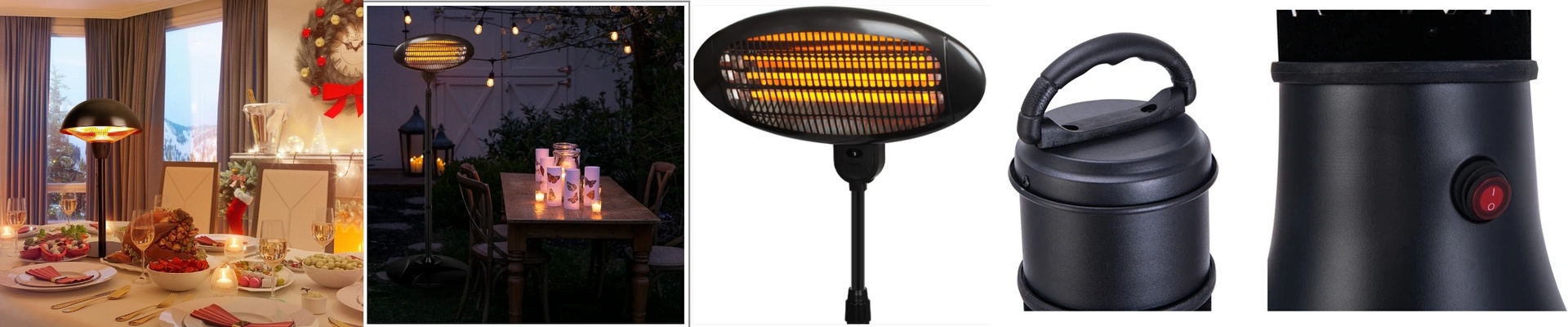
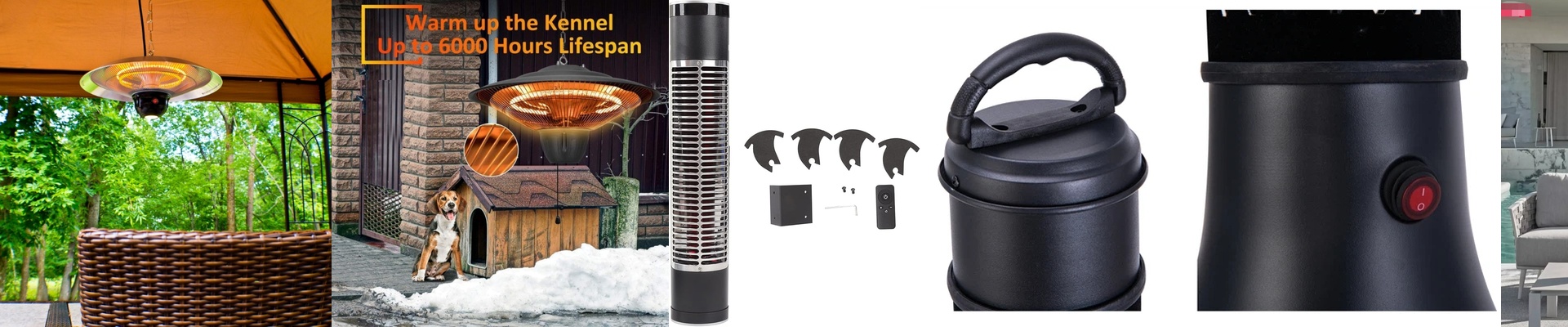
If you want that “instant spring” feeling in the middle of January, a simple Wi-Fi switch isn’t going to cut it. You need hardware that can handle being flicked on and off constantly without just giving up and burning out. That’s why we stick with IP65-rated elements. They’re built to survive the grit and dampness of a patio or a steamy bathroom without skipping a beat. The heat, and why it’s different We use short-wave infrared emitters here. Instead of trying to warm up all the air in the room—which takes forever—these hit you directly with heat. It’s like stepping into a patch of sunlight. When you hit a button on your smart hub, the heat is there in seconds. It’s fast. Really fast. But there’s a catch. That instant blast of heat puts a lot of stress on your electrical contacts. If your smart relay isn’t beefy enough to handle that initial surge of power, you’re going to fry your switch. You’ve got to make sure your relay’s amperage matches what the tube actually draws at its peak. Keeping things dry and durable The “IP65” part just means the unit is dust-tight and can handle a spray of water. Since these usually live in semi-outdoor spots, we seal the connections tight to stop oxidation from eating the wires. To keep the filament from degrading in damp air, we use ceramic coatings or quartz glass. It works great, but it does create a little problem: a sealed unit traps heat inside. If you don’t leave enough breathing room around the mounting bracket for passive cooling, the housing might actually warp over time. Give it some space to breathe. Getting it to play nice with your hub To make the whole thing feel smooth, we don’t just flip a power switch. We wire the element through a heavy-duty SSR (Solid State Relay) or a PWM controller. This is the secret sauce. It lets you dim the heat instead of just having “blasting” or “off.” Plus, it saves the life of the filament because you aren’t hitting it with a hard-start every single time you want to feel warm.