
How to actually keep outdoor transition zones warm
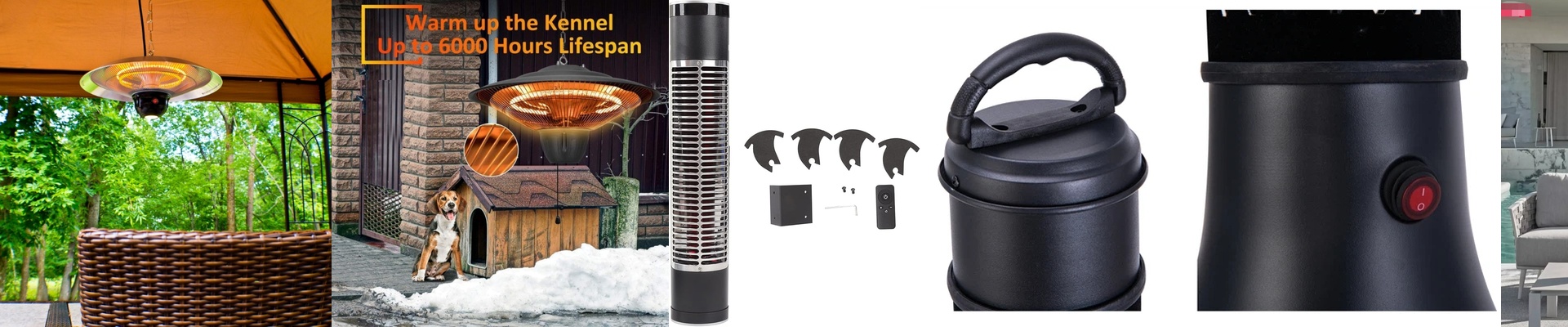
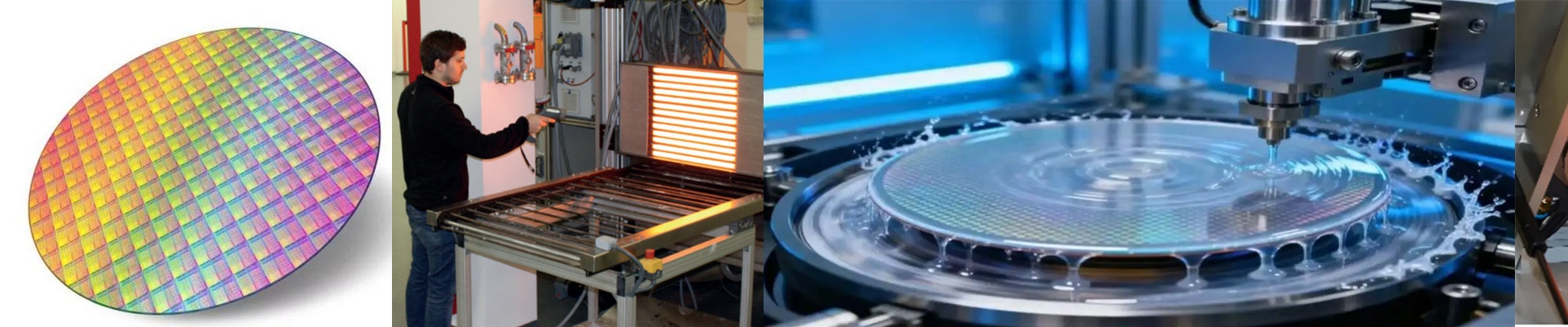
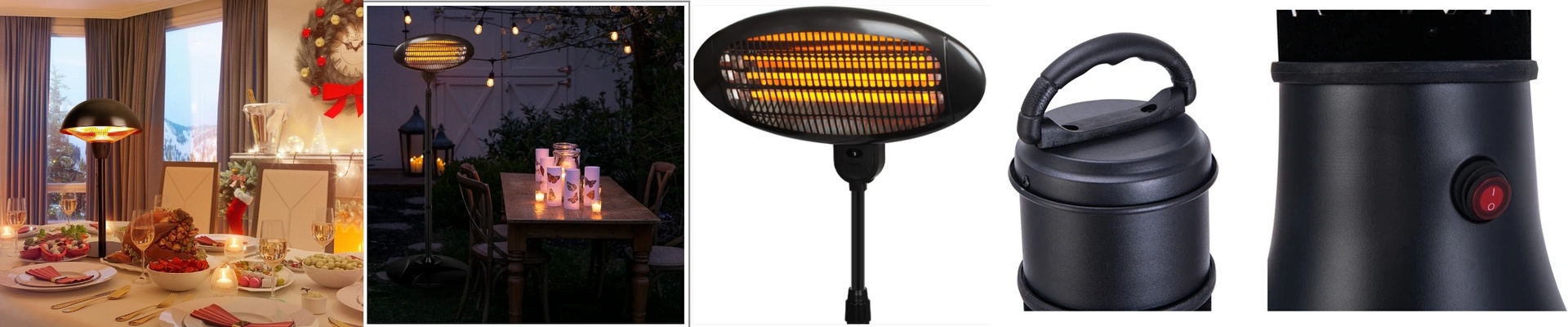
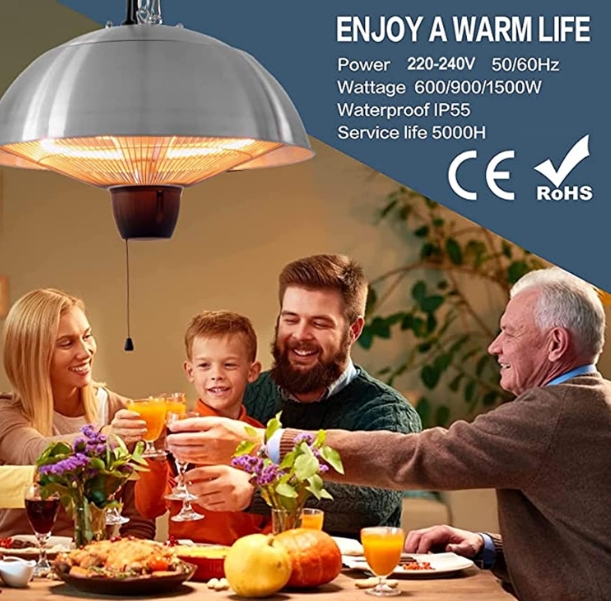
Nobody likes that shivering walk from the pool or garden into the house. If you’ve got a changing area that feels like a freezer, you don’t want a heater that slowly warms up the air—by the time the room is cozy, the person has already gone inside. You need shortwave infrared. Instead of fighting the wind or trying to heat a whole volume of cold air, these units send heat straight to the skin and clothes. It’s basically like stepping into a patch of sunlight on a winter day. It happens instantly. Dealing with the elements Since these usually go near pools or gardens, we make sure they’re IP65 rated. In plain English? They’re built to handle dust and splashes without breaking a sweat. We use tempered glass and tight gaskets to keep moisture away from the electronics. This is a big deal because if water splashes onto a red-hot quartz tube, the thermal shock can crack it right down the middle. The IP65 housing stops that from happening. The “Punch” of the heat We go with shortwave emitters because they run hotter and hit harder. The best part is that you can mount them higher up. Usually, when you raise a heater, you lose the warmth. Not here. You still get that heavy, satisfying heat even from a distance, which means you can cover a much larger area. A few things to watch out for Here is the catch: these units pull a lot of power to get that high-end feel. You’ll need a dedicated circuit. If your breakers aren’t sized right, you’re just going to be tripping the power every time it gets cold. Also, remember that this heat is directional. If you can’t see the heater, you won’t feel it. To avoid those annoying cold spots, we don’t just place them randomly. We overlap the heat cones. That way, the second someone steps into the zone, they’re wrapped in warmth. No gaps, no shivering.