
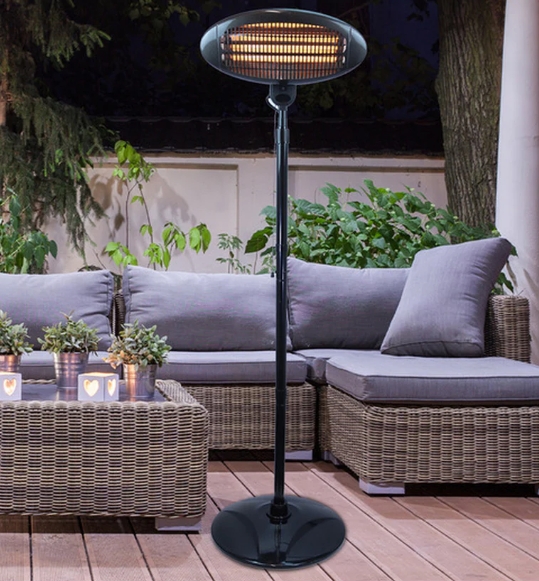
Laundry doesn’t wait for the weather to cooperate. In workshops and utility rooms, a damp load that sits too long turns into mildew, stiff fabric, and wasted time. We built an infrared heater that does more than just warm the air—one that reads the room, adjusts to the job, and dries clothes with steady, focused radiant heat.
What matters under the hood
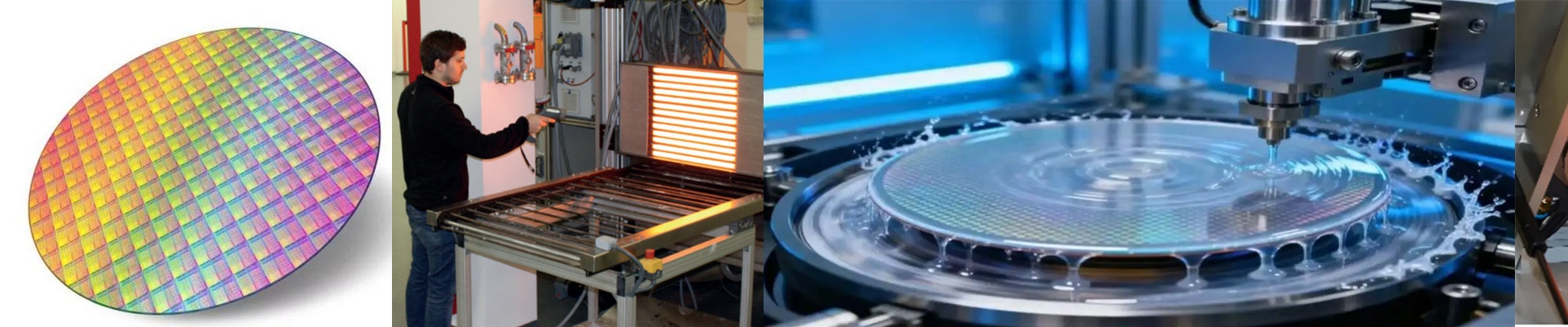
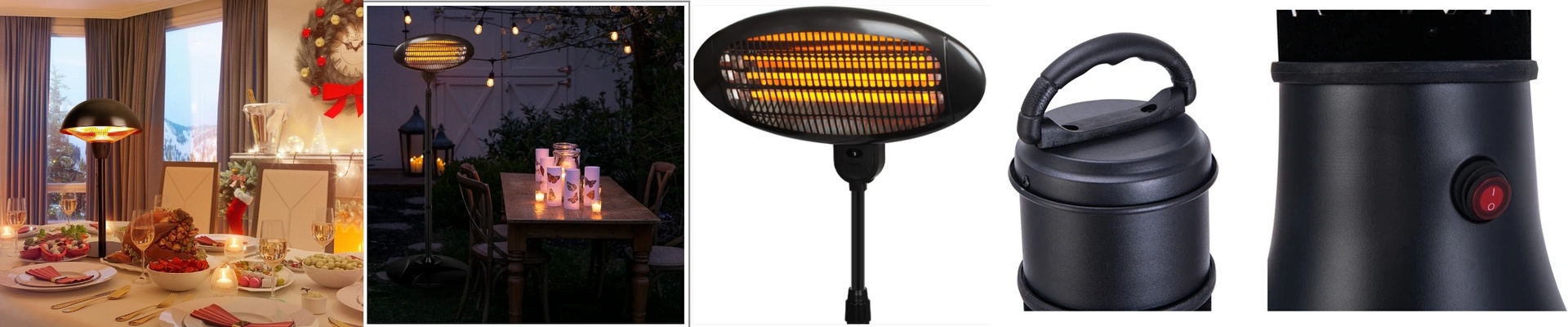
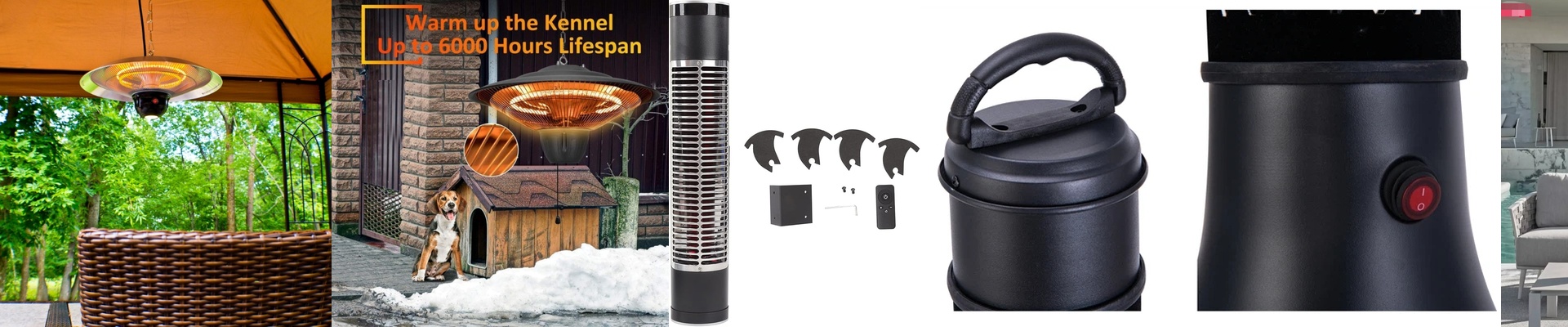
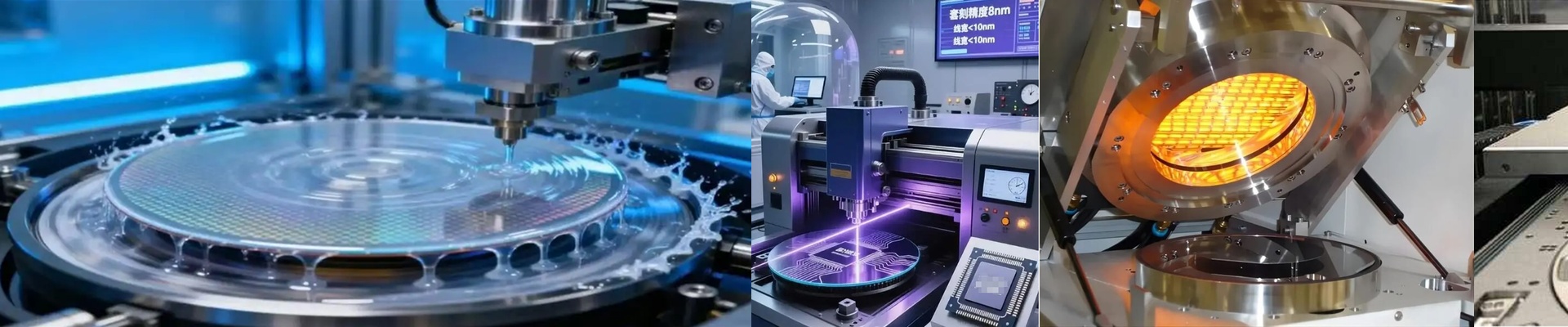
At the heart is a quartz infrared element that puts out short-wave radiant warmth. It heats objects and fabric directly, instead of trying to warm the whole volume of air. That means faster drying without nuking the space. We pair that element with an environment-adaptive control that watches ambient temperature and humidity, then dials the output to hold the right drying curve. The heater runs at the exact intensity needed—saving energy and keeping fabrics from getting harsh. You get a fast warm-up, a stable temperature, and a build that’s meant to run cycle after cycle.
Why this approach fits the task
In a clothes-drying setup, this cuts right to the two headaches: slow drying and uneven results. Radiant heat pushes through fabric layers and speeds up moisture release, so towels and jeans come out evenly dry, not brittle. Because the system adapts on the fly, it avoids the wasteful overshoot you get with conventional heaters—lowering operating cost and stretching component life. The payoff is quicker turnaround on loads, less second-guessing, and a more predictable routine, whether you’re airing out winter coats or freshening up shop rags.
What you need to plan for
This unit is engineered for indoor, utility-grade use. It needs a dedicated outlet and proper clearance around both the heater and the drying area. It performs best in enclosed or semi-enclosed spaces where you can manage humidity; in fully open, windy spots, drying time will swing around. Set up for adequate ventilation to pull moisture out, and stick to the clearances in the manual so airflow and safety stay in balance.