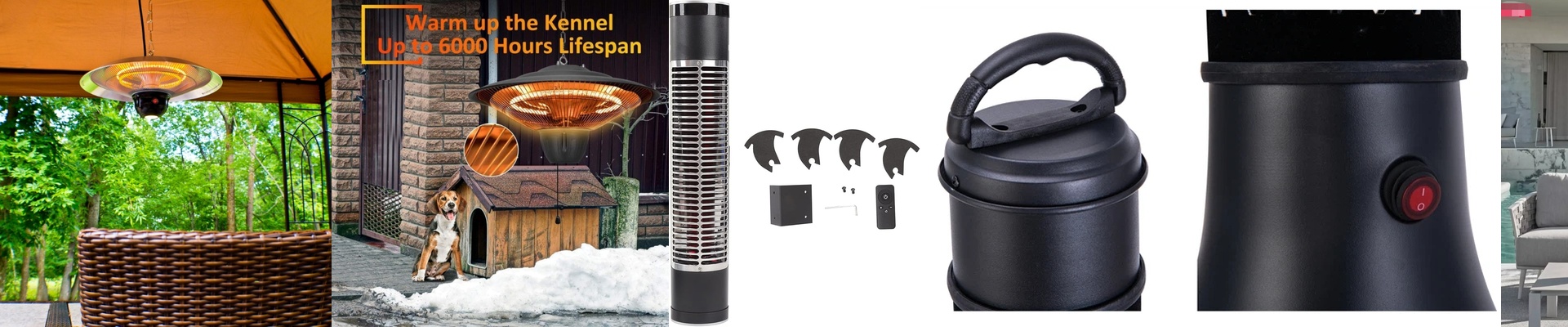


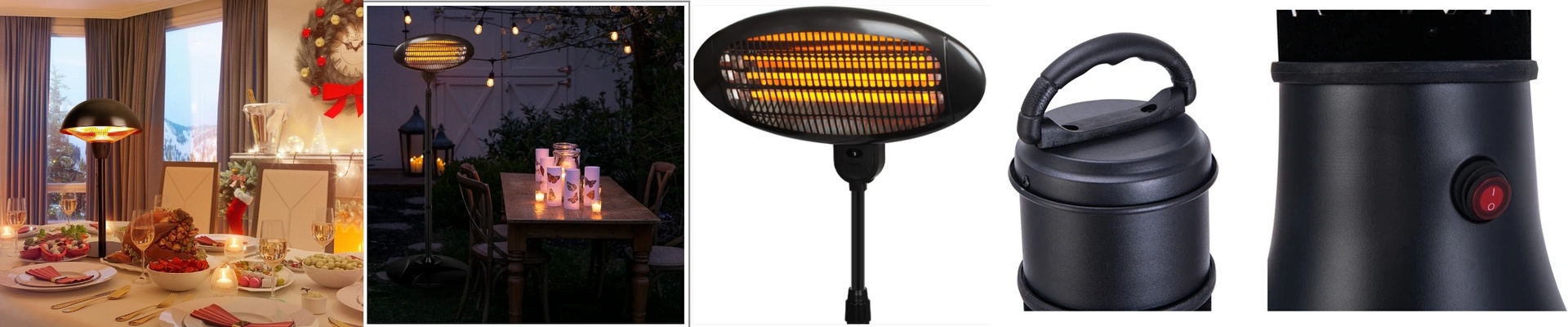
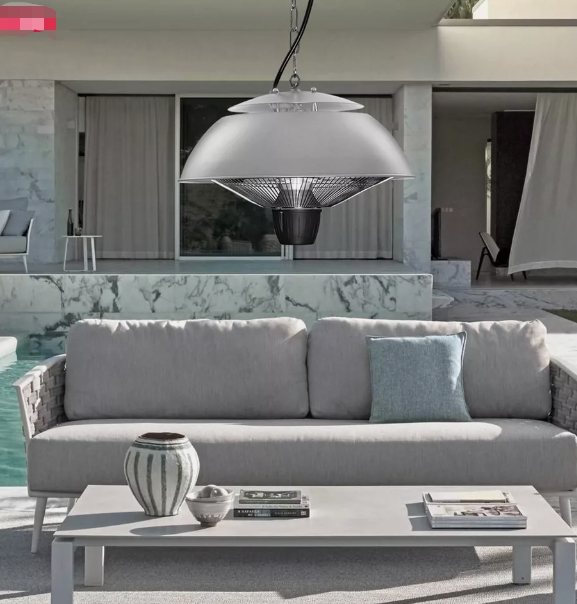
When the house quiets down for the night, a heater that clicks or hums can feel like an intrusion—especially for seniors who need calm, steady warmth. A silent infrared room heater changes the feel of the room by delivering radiant heat without moving air. For older adults, that’s a real difference. Cold air triggers vasoconstriction, which makes the heart work harder. Infrared warmth warms the body directly, helping keep skin and core temperature comfortable, which supports stable circulation and reduces the sudden strain that often hits when the room turns chilly.
What matters, technically
Infrared heaters create warmth by radiating energy—think sun-like, but without the UV. In practice, the heater warms people and objects in its line of sight, not the air itself. A carbon fiber or quartz element produces gentle, even infrared output and responds quickly when the thermostat calls for heat. Since there’s no fan, the unit runs quietly—just the faint click of the control relay. Many models are compact, plug into a standard outlet, and include the basics: tip-over protection and overheat cutoff.
Why this approach works in practice
In a bedroom, living room, or reading nook, infrared warmth feels more like a steady presence than a blast of hot air. That matters for midlife and senior comfort. The heat is directional and consistent, so you feel cozy without drafts or the dryness forced-air heaters often create. For cardiovascular peace of mind, comfort is the point: muscles relax, hands and feet warm up, and the body doesn’t have to overcompensate when the room temperature dips. It’s gentle heating, built for long sessions and easy living.
Things to know up front
Infrared warmth does its best work when the heater has a clear line of sight to the people in the room. Position it so furniture isn’t blocking the beam, and keep it at a safe distance from bedding or curtains. Because the heat is radiant, rooms with drafts or high ceilings may still need a secondary heat source to keep the whole space comfortable. For the best results, pair the unit with a well-placed thermostat and follow the clearances in the manual.