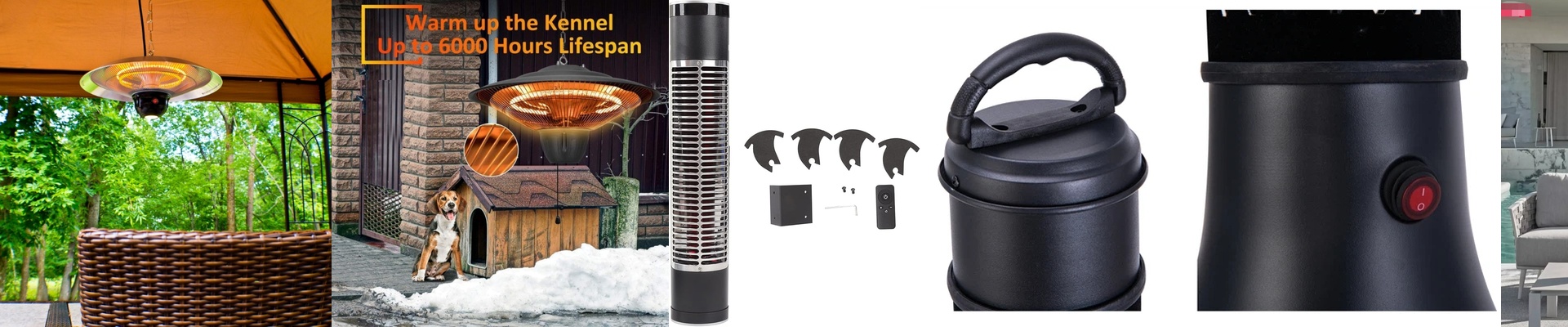

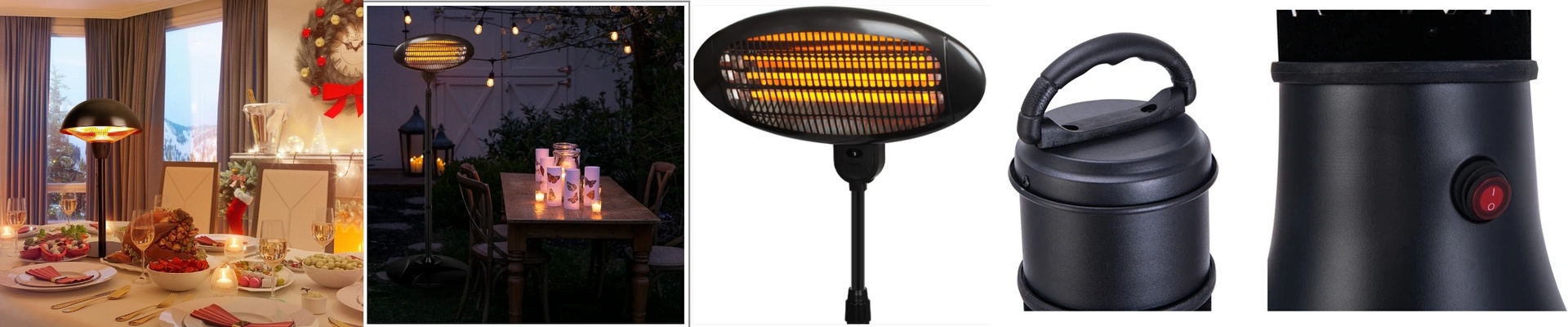
The compact heater market is packed, and too many units talk a big game without delivering the heat. You know the drill—cold spots, energy bills that creep up, and that nagging feeling you’re watching the thing, waiting for it to trip a breaker or overheat. When you need heat in a small space, you want proof the unit was built to run safely, put out real output, and last.
What actually matters, technically
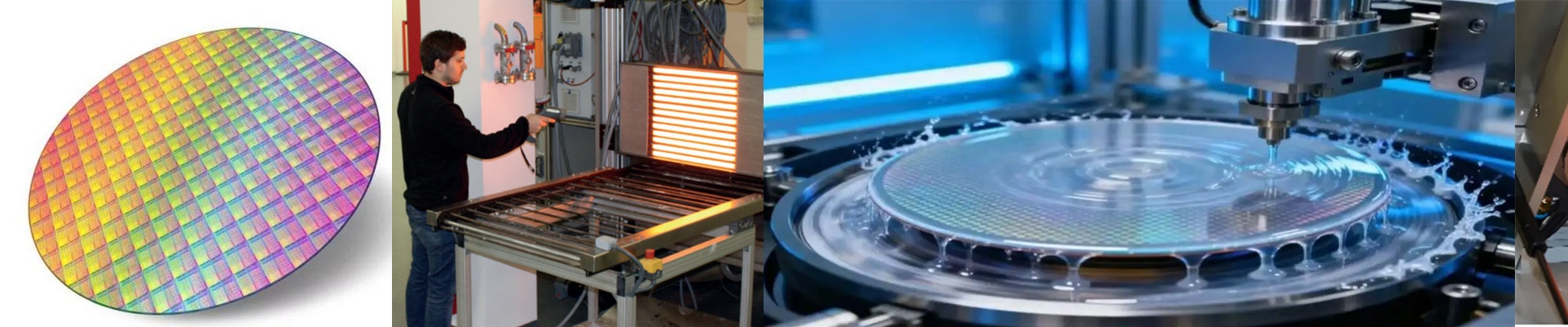
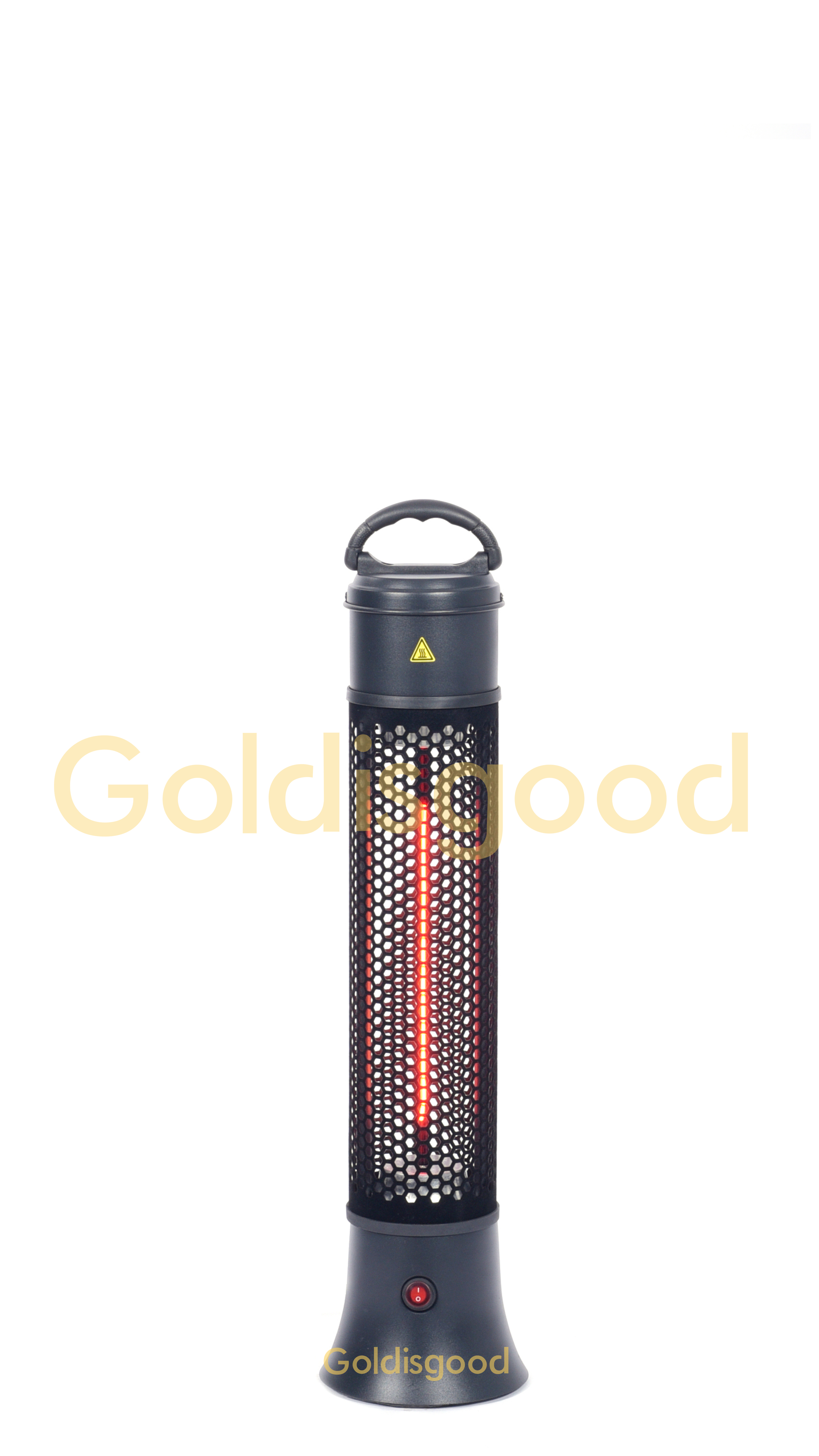
Infrared warmth is different. It heats people and surfaces directly, not just the air. Inside, you’ve got a quartz tube or a carbon fiber element turning electricity into radiant heat—so you feel warmth the moment it’s switched on. If you’re looking at a compact infrared heater, CE certification means the design has been checked for electrical safety, thermal limits, and EMC. Check the rated voltage—usually 120V or 230V—and match wattage to room size. A built-in thermostat keeps the cycling steady. Many models add tip-over protection and an overheat cutoff. Some carry an IP rating, which tells you how they handle dust and splashes.
Why this matters on the job
CE certification cuts through the noise. In a workshop, a small office, or a drafty corner, a certified infrared heater gives you fast, focused warmth that starts instantly and holds steady. That means fewer temperature swings, less wasted energy, and less wear on the unit. For you, it translates to a cozier space, quieter operation, and the confidence to run it for long stretches without hovering.
A few practical pointers
Infrared heat is directional, so point the unit where you actually spend time. Keep a safe clearance around it, and plug it into an outlet with a properly rated cord. Skip the extension cord if you can. CE marking is the baseline for safety in Europe. Elsewhere, check what your local codes require. Output is measured in watts, so size the heater to the room—comfort and efficiency follow.