
Ever notice your camping electric heater working overtime, yet the warmth just isn’t there? That thin layer of dust on the infrared emitter isn’t just cosmetic—it quietly robs output and drives up energy draw. Out in the field, that shows up as longer warm-up times, uneven heat, and a battery or generator that drains faster than you’d expect.
What matters, technically
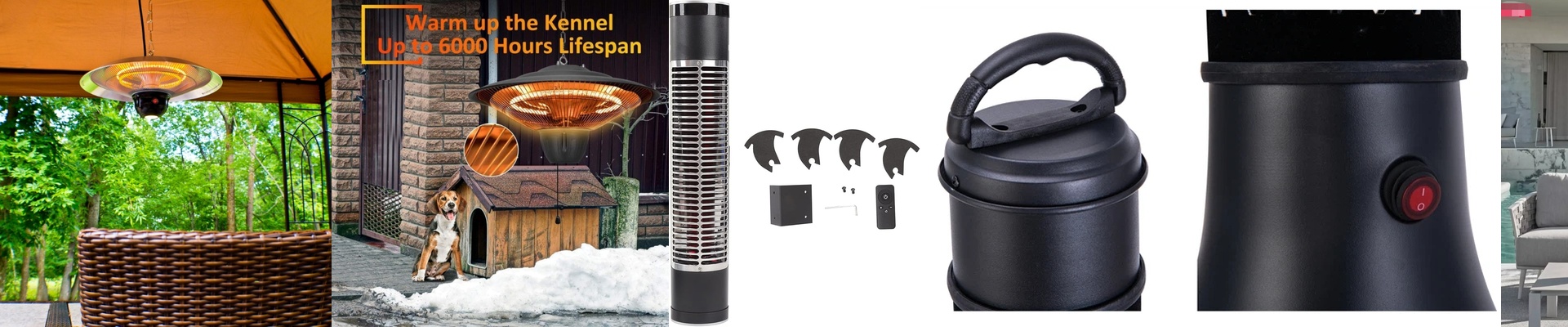
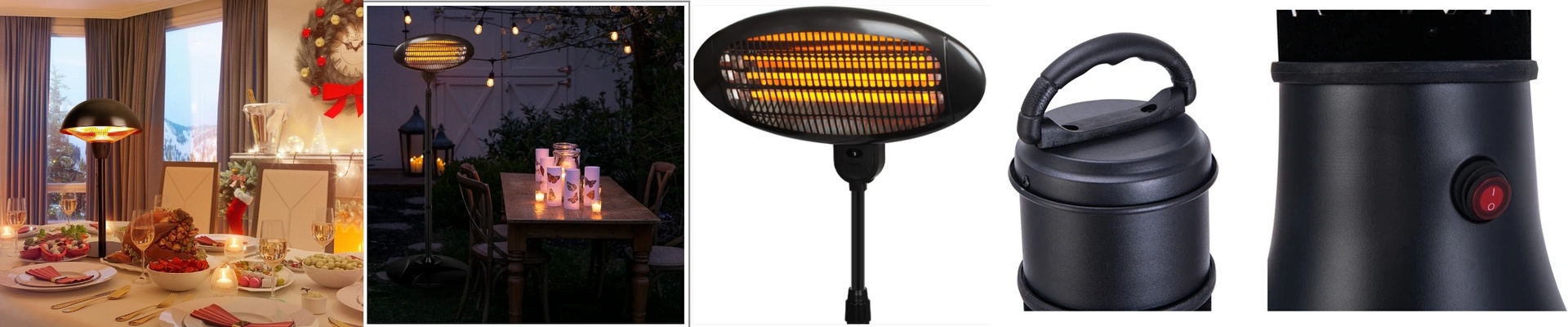
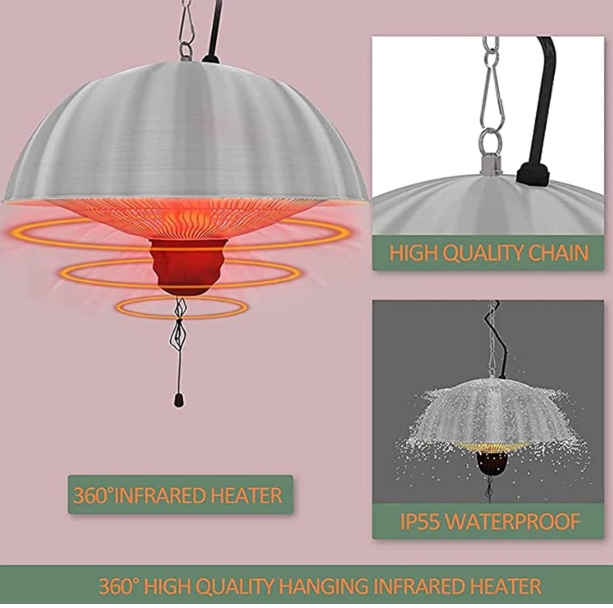
Most camping electric heaters lean on infrared warmth, delivered by a quartz tube or a carbon fiber element. The whole point is radiant heat—warming people and objects directly, not the air. When dust coats the emitter, it acts like a blanket, blocking output and forcing the heater to run longer to hit the same comfort level. In practice, even light buildup can bump energy draw by 5–10%, and heavy accumulation pushes it much higher. Look for a model with a sealed heating chamber and a protective front grille; those details keep the emitter cleaner in windy, gritty campsites. Power typically lands at 400–1500W, with 120V plug-in versions for car camping and 12V/24V options for overland setups. A tip-over switch and overheat protection are standard safety measures, and an adjustable thermostat helps prevent unnecessary cycling.
Why it holds up in real conditions
Camping throws dust, dew, sand, and sudden temperature swings at you. A well-maintained infrared heater gives you predictable comfort: fast radiant heat when you step out of the tent, steady warmth through dinner, and quiet operation that doesn’t drown out conversation. Because infrared warms people directly, you feel cozy sooner—even when the air is chilly. That direct warmth supports better sleep and relaxed muscles after a long day outside. Keeping the emitter clean keeps energy use in line, so your power lasts longer and the heater keeps going for years.
The practical stuff
Maintenance is simple, but it matters. Before cleaning, unplug the unit and let it cool completely. Wipe the exterior and the protective grille with a soft, dry cloth; for stubborn grit, use a slightly damp cloth and dry immediately. Never spray water directly into the heater, and don’t submerge any part. Inspect power cords and connections for fraying or damage, and store the heater in a dry place. Keep in mind infrared performance drops as the emitter ages; even with good care, output will slowly diminish over time. On windy campsites, position the heater so the front isn’t taking gusts head-on, and keep it on a stable, level surface so the tip-over protection works the way it should.