
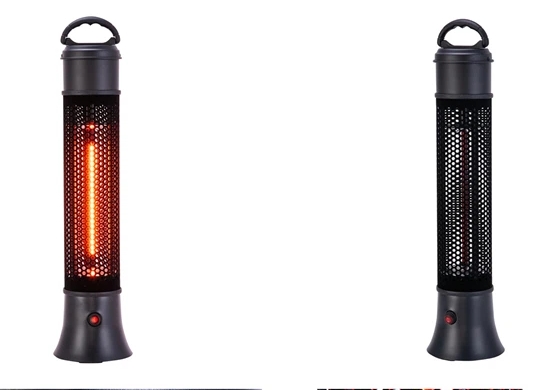
You hit the thermostat, and the room should answer right away—not sit there while the heater strains to catch up. In a smart home, that lag isn’t just annoying. It’s kilowatt-hours you didn’t need to spend.
What actually matters, under the hood
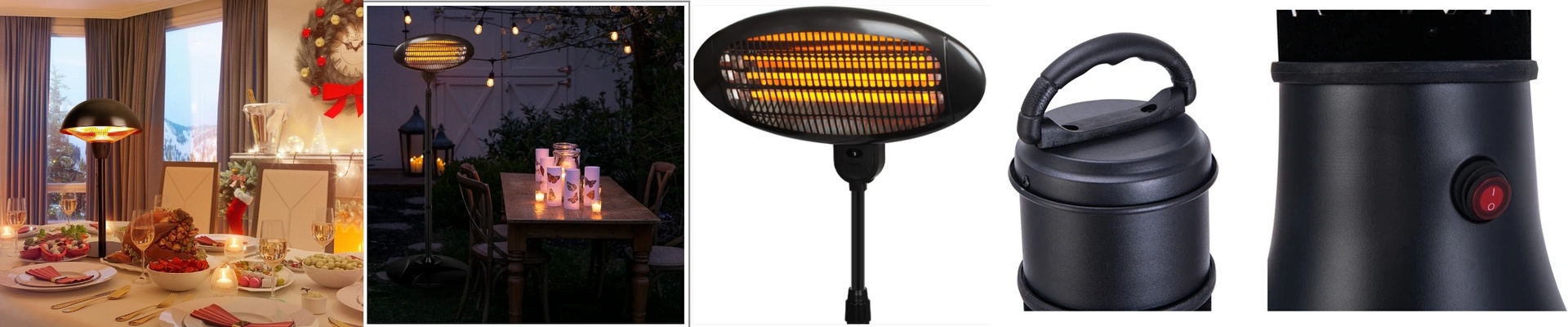
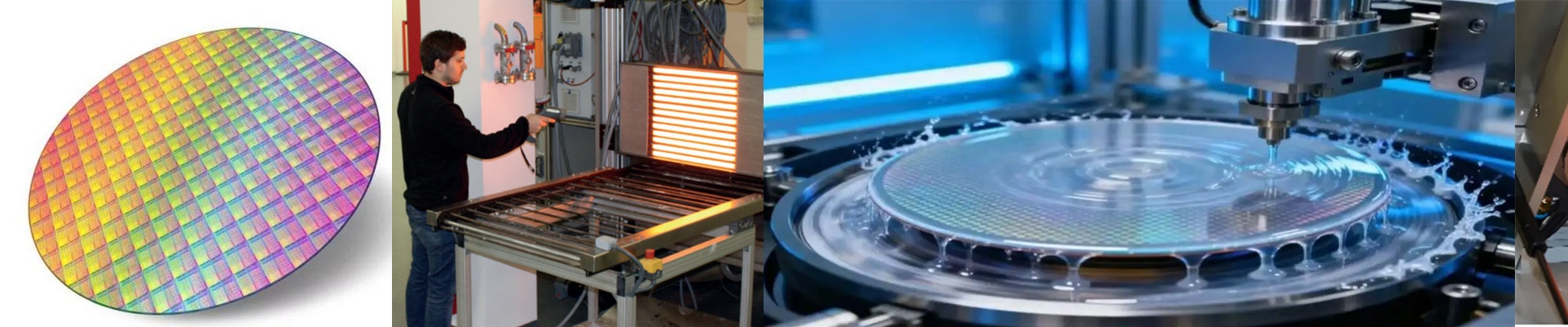
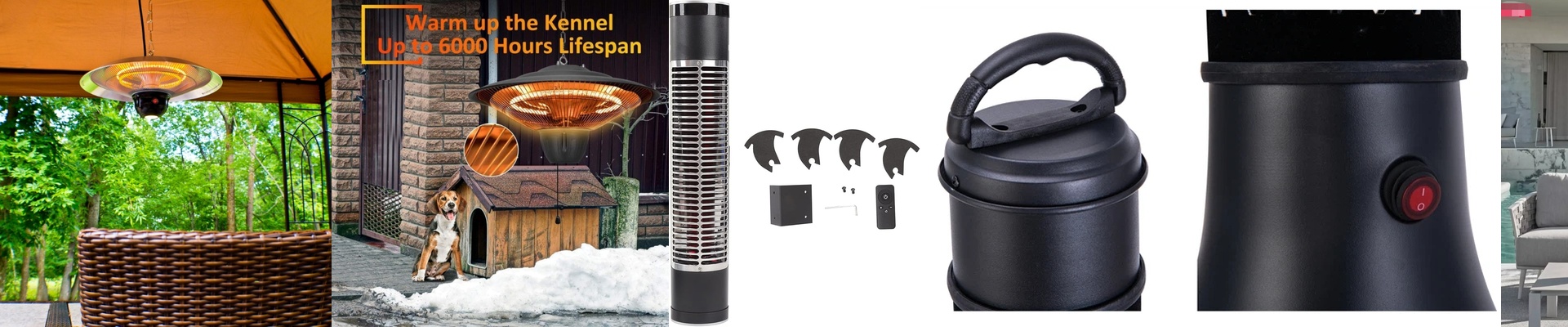
Infrared heaters that use low heat inertia elements—carbon fiber or thin quartz emitters—put out radiant warmth almost the instant they get power. No waiting for a big thermal mass to come up to temperature, so response is quick and the control loop stays tight. Pair that with a smart thermostat or a home energy setup, and the heater can run in short, precise pulses. It tracks occupancy and outdoor conditions without overshoot. The payoff is comfort you feel immediately, plus efficiency you can measure, because you’re only using energy when the heat is actually needed.
Why this plays so well in a smart home
In a connected house, you want comfort that feels natural, not forced. Low heat inertia makes that happen. Step into a room, and infrared warmth arrives fast. Step out, and it backs off. That responsiveness is what keeps energy use honest—fewer long warm-up cycles, less standby loss, and a more stable feel indoors. You get cozy heat without the wait, and your system has an easier time balancing comfort with electricity draw.
The practical stuff—what I’d check before you buy
Infrared warms people and objects directly, not the air. That’s why comfort can feel high even when the air temperature is modest. But placement matters. Point the heater toward seating areas, keep it clear of obstructions, and confirm the circuit can handle the load. And because infrared gets intense up close, keep a sensible distance and use the safety features that come with quality units—tip-over protection and overheat cutoff are standard on the good ones. When you pick the right unit and install it carefully, low inertia infrared heating makes smart control something you can feel—and see on your energy use.