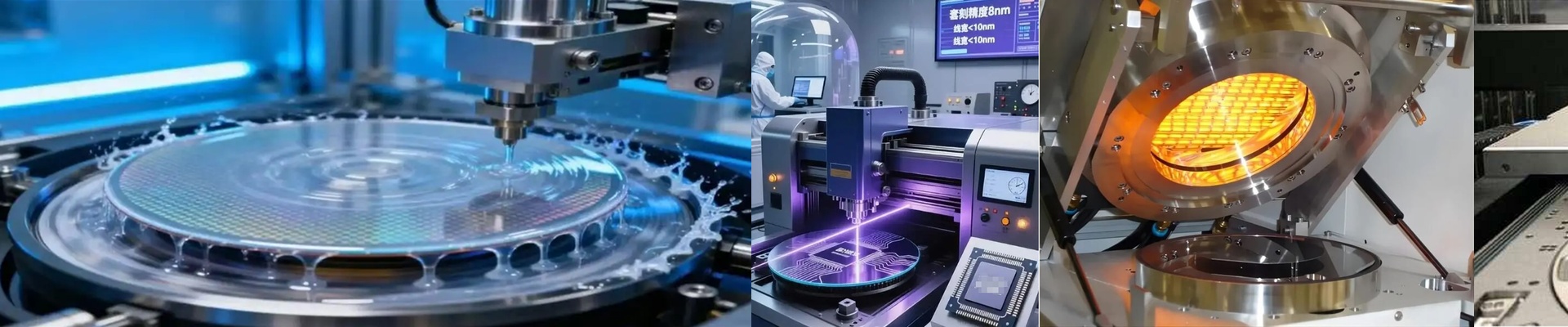

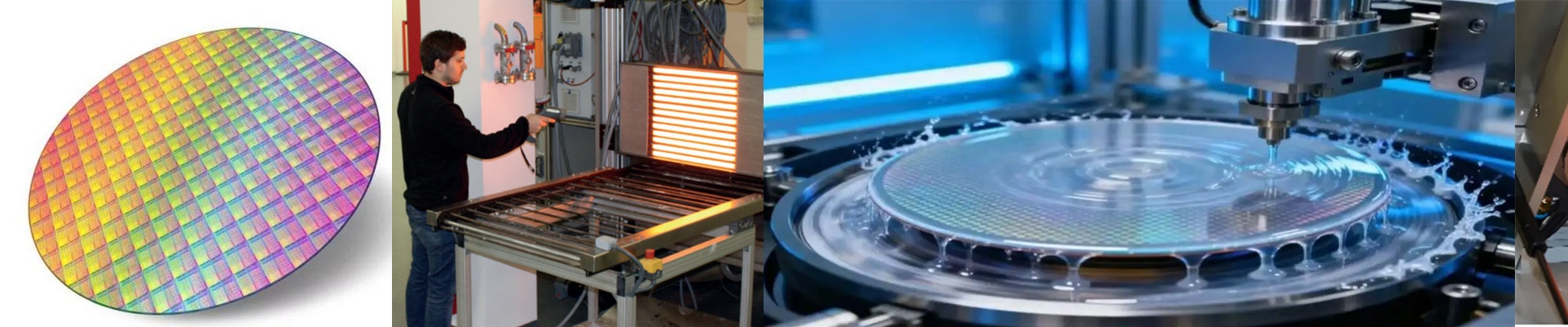
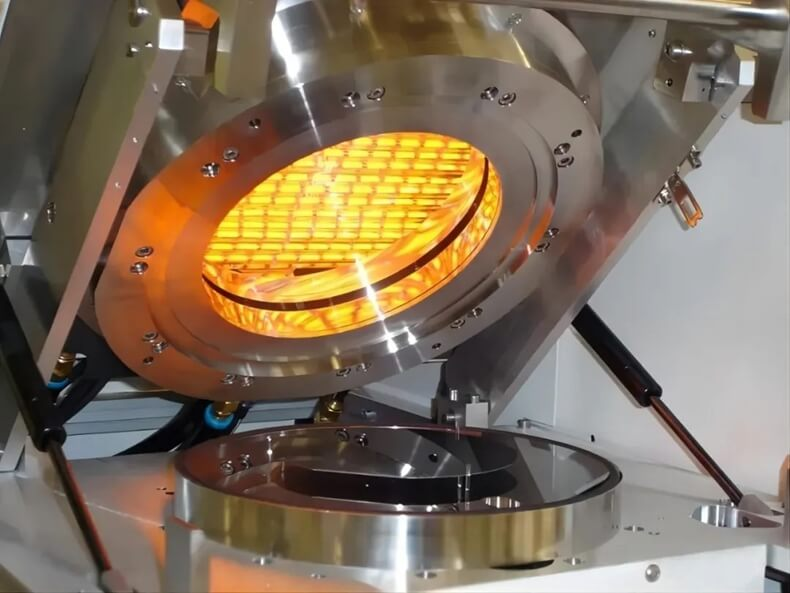
On the fab floor, photoresist bake isn’t a warm-up. It’s a process boundary. Push soft bake or hard bake by even 1°C, and you’ll see CD shift, sidewall angle drift, and defect density climb. The oven’s quartz heater tube has to deliver repeatable heat—no particle generation, no drift. What matters under the hood We engineer these tubes for thin-wafer thermal budgets and lithography-grade stability. Across the active zone, temperature uniformity holds at ±0.1°C, keeping setpoint steady under variable load without overshoot. Medium-wave infrared gives fast response, so ramp time drops and cycle time stays locked. The quartz envelope is chosen for low outgassing and cleanroom compatibility, supporting Class 1–100 environments with particle counts that stay in spec. Power density is tuned to the oven geometry, and the termination and seal are spec’d for high-purity integration. Why it holds up in production In a production oven, you need heat you can bank on, shift after shift. These tubes keep photoresist profiles consistent, cut rework, and protect yield. Tight thermal repeatability shortens qualification cycles and tightens control limits on the SPC charts. Energy use comes down because recovery is fast and waste heat is minimized. And you’ll see fewer unplanned interventions—tube life runs thousands of hours, and replacements are predictable, not panic buys. Here is what to watch Installation tolerance is tight. Alignment, mounting pressure, and the thermal interface have to match the oven drawing; misapplication will create hot spots and shorten life. Before changeover, verify voltage and connector compatibility. And confirm the oven airflow and shielding haven’t changed—thermal uniformity depends on the whole system, not just the tube.