
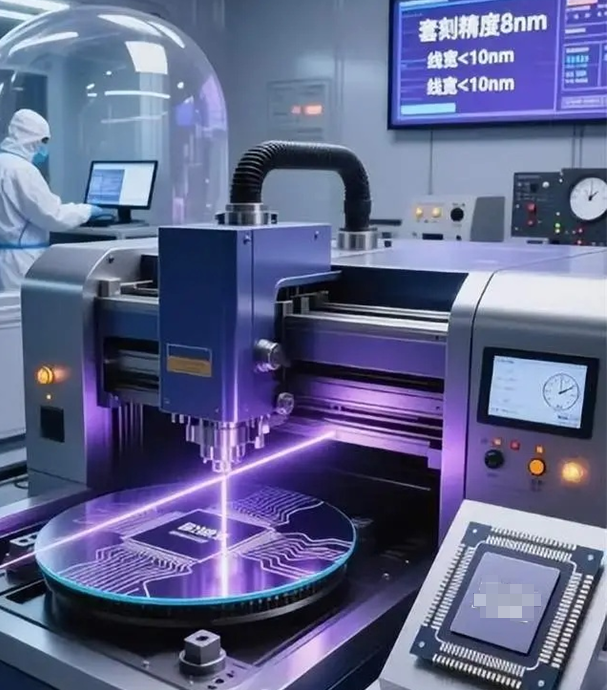
Cutting Through the Cost of High-End Semiconductor Spares
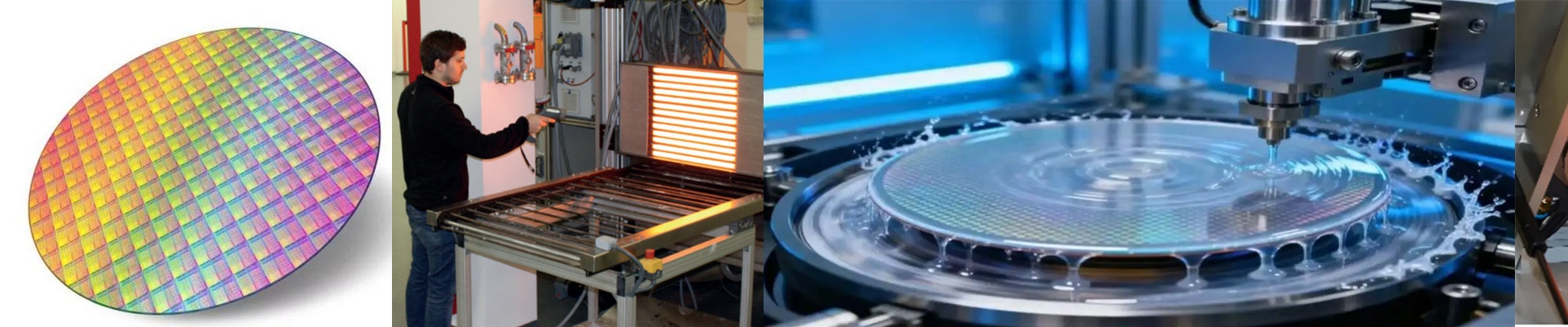
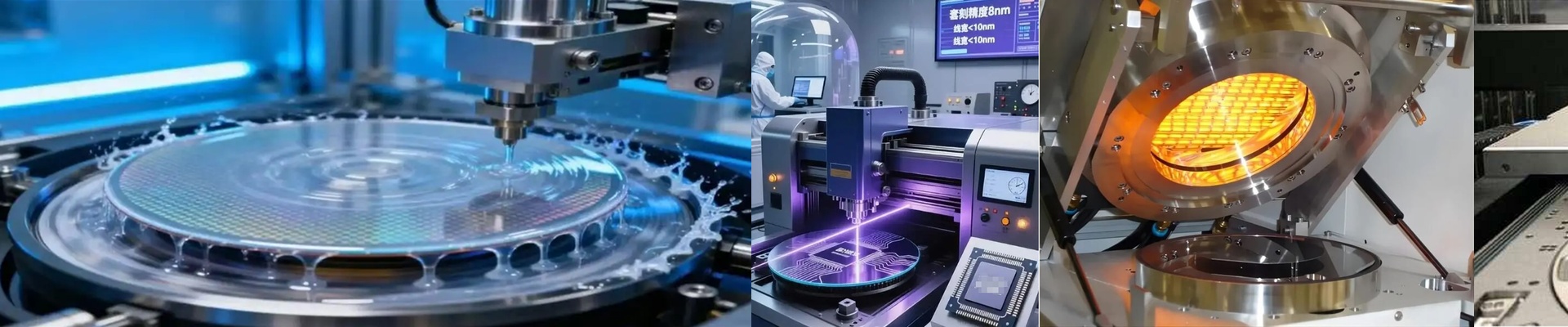
We get it. You’re staring down the cost of imported semiconductor spares, and your budget is sweating bullets. The real question on the shop floor is simple: can a domestic infrared heating lamp really step in as a direct replacement without messing up the whole process? Here’s the straight answer: yes, it can. As long as you nail the physics and the fit.
Power, Voltage, and Size: The Practical Details
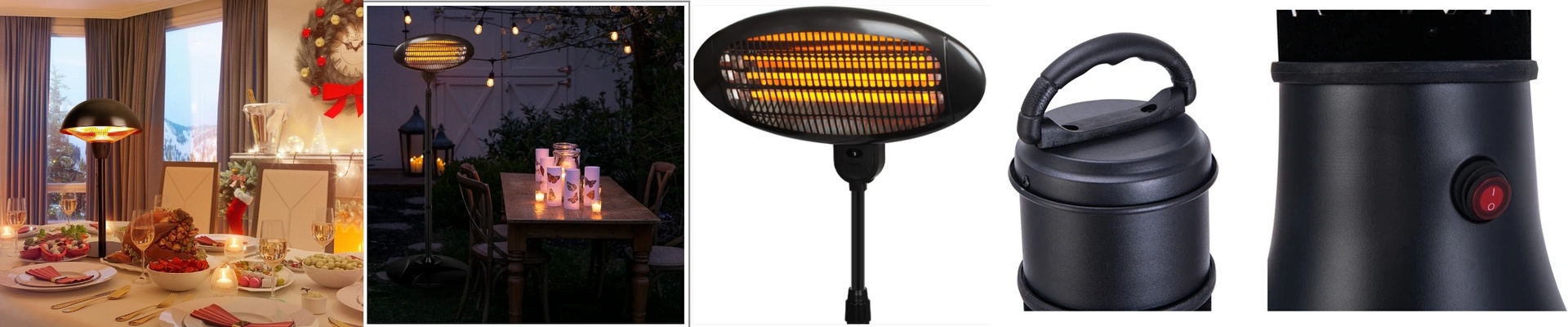
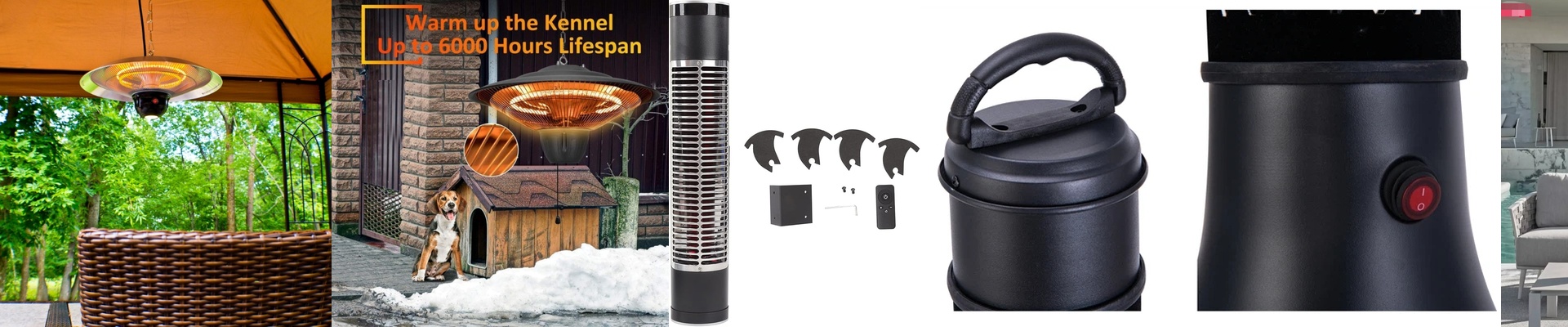
Infrared heating lamps for a fab are built around very specific power and geometry. A typical unit runs on 400V, pulls 2500W, and sits inside a 300mm quartz tube. That combo isn’t random. The 400V input means lower current for the same power, which keeps conductors smaller and eases stress on the socket. And that 300mm length? It’s chosen to match standard zone footprints, so the heat lands exactly where you need it—right on the wafer or component.
The Build: Material, Coating, and the Connector That Makes It Easy
We use quartz with a reflective coating, so the infrared energy shoots forward where it’s supposed to. Less wasted heat on the back end. That coating also keeps the tube cooler, which helps it handle the constant heating and cooling without cracking under pressure. Then there’s the R7s connector. It’s the anchor that holds everything in place, with a secure, aligned, two-contact fit that lines up with the original equipment footprint. Installation is straightforward. Wire it, seat the lamp, lock it in. No need to re-engineer the fixture.
Real-World Use: Consistent Heat, Simple Swap, Real Savings
In semiconductor work, steady temperature control isn’t optional. It’s everything. Our lamps deliver stable, high-density infrared output that meets the thermal demands of those critical zones. You get a drop-in replacement that works without making you recalibrate the entire station. Now, there is one trade-off you should know about. Packing 2500W into 300mm means your cooling system needs to be properly rated. But if your cooling is set up right, you can run with confidence. You cut spare part costs. And you keep the line moving.