

Making Your Outdoor Heaters Actually Smart
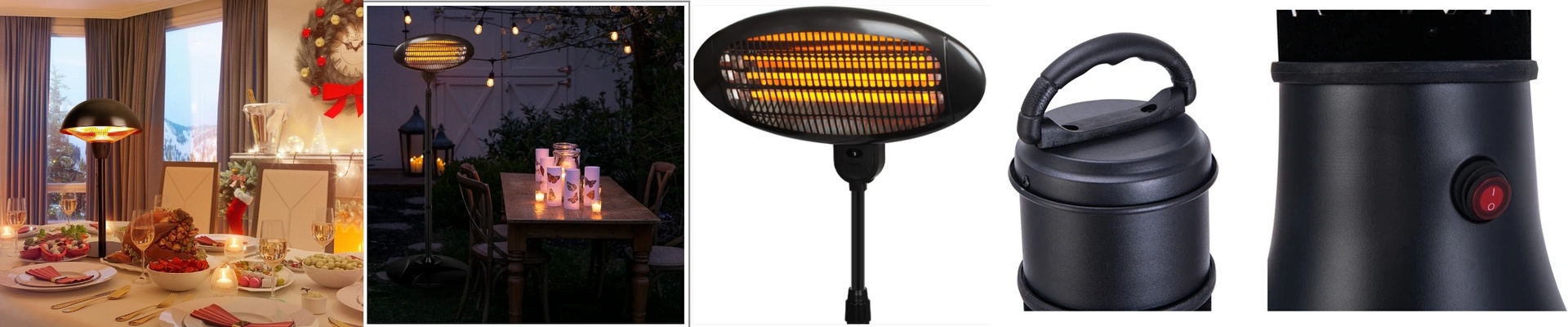
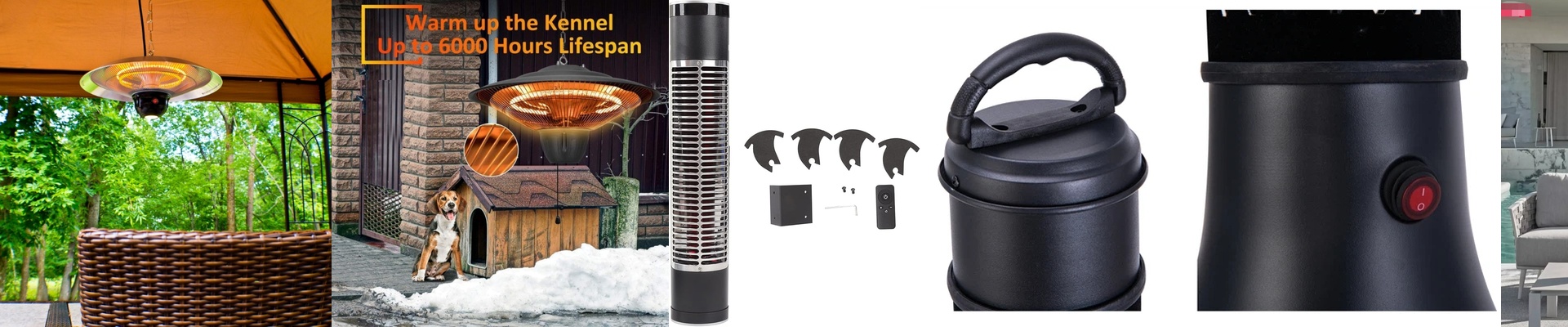
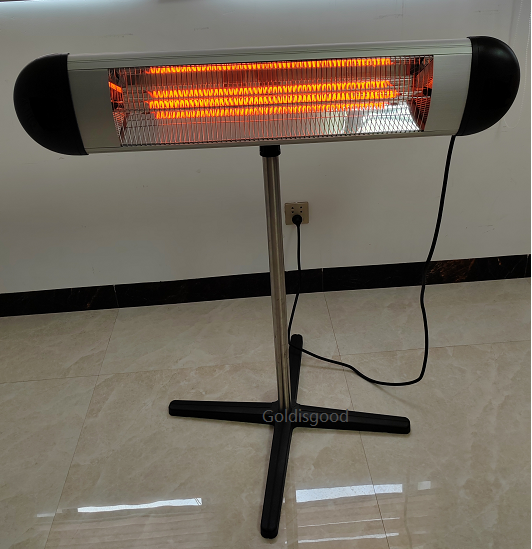
Let’s talk about those outdoor patio heaters. Most of them use short-wave infrared tech, which is basically a fancy way of saying they don’t waste time heating up the air around you. Instead, they beam heat directly onto you and your guests. It feels like standing in the sun on a crisp October morning. Since these live outside, we build them to take a beating. Rain, humidity, whatever—the chassis and the electrical bits are sealed tight so you don’t have to worry about a short circuit the moment a storm rolls in.
Getting the Tech Right
If you want to control your heat from your phone, you have to ditch the old-school clicking dials. We swap those out for a Wi-Fi or Zigbee relay module. Think of this as a digital light switch sitting between your power source and the heating element. When you tap a button on your hub, the relay snaps shut, the power flows, and the lamps glow. The best part? There’s no waiting around. These lamps hit their peak temperature almost instantly. You’re warm. Just like that.
Setting the Mood (Without the Headache)
The real magic happens when you group things together. Imagine a “Winter Mode” scene. One tap on your screen, and every heater on the patio kicks in at once. No more walking around in the cold to flip five different switches. But here’s a word of warning:don’t get cheap with the plugs. If you’re running a big array of high-wattage heaters, a standard smart plug will probably melt or burn out. It just can’t handle the load. You need a heavy-duty power controller (a contactor) to do the heavy lifting.
The “Real World” Stuff
Look, adding smart tech always adds a point of failure. If your Wi-Fi decides to take a nap, you don’t want to be freezing on your own porch. That’s why we always put a physical override switch on the unit. It’s your safety net. Also, remember that while the heater loves the rain, your smart hub hates it. You’ve got to tuck the controller into a NEMA-rated enclosure to keep it bone-dry. Just make sure that box has a bit of breathing room. If it’s airtight, the relay can overheat, and your smart module might start lagging or just crash entirely during a long night of partying.