
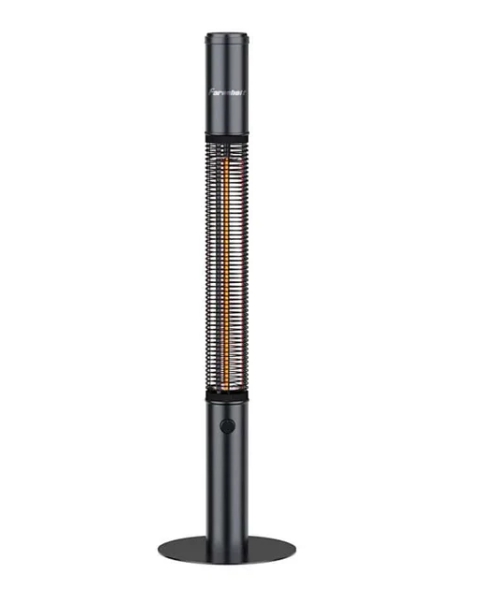
Keeping Bathroom Infrared Heaters Safe (And Dry)
Putting infrared lamps in a bathroom is basically a fight against steam. We all know water and electricity don’t mix. If your insulation slips up for even a second, you’re looking at a short circuit or a nasty ground fault. To stop that from happening, we focus on one thing: the barrier between the heat and the humidity.
Dealing with the Damp
You can’t just slap a plastic cover on a heater and call it a day. That won’t cut it. Instead, we use high-purity quartz glass tubes. These do the heavy lifting. They act as the main insulator, keeping the tungsten filament safe and sound inside while handling the shock of heating up fast. But here’s the tricky part: the ends. That’s where most leaks happen. We use high-temp ceramics or silicone gaskets for the end-caps to keep vapor from sneaking into the lamp base. If steam gets in there, it creates a path for electricity to jump straight to the chassis. To kill that risk entirely, we pot the connections in epoxy. It blocks out air, moisture, and everything else.
The Wiring Side of Things
First off, these units have to go into a GFCI circuit. Period. No matter how great the lamp insulation is, you still need the housing bonded to a dedicated earth ground. We also use IP65-rated enclosures. It’s just a fancy way of saying the electrical junctions stay bone-dry.
The Balancing Act
Now, there’s a catch. If you go overboard with heavy-duty waterproofing and thick insulation, you start losing that “instant heat” feeling. Short-wave infrared is great because it’s fast, but those protective layers can soak up some of the energy. It’s a bit of a trade-off. You have to balance the waterproof rating against how much heat actually reaches you. If you over-engineer the casing, you might end up with a heater that takes forever to actually make you feel warm.