
Introduction
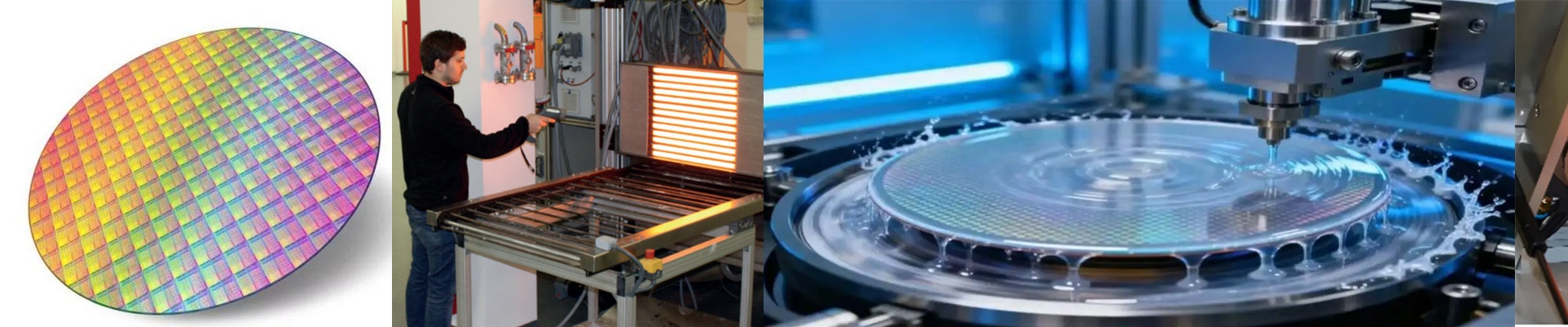
We built these infrared heating lamps with one place in mind: the fab. Because when you’re running an energy audit, you need heat you can aim, not heat that just floats around. Traditional convection heating? It warms the air, and that’s money going out the door. Our directional approach puts the heat right where it counts—on the target. That means you stop fighting the problem of semiconductor equipment getting scorching hot on the inside, which always came from heat spreading where it shouldn’t.
The heart of it
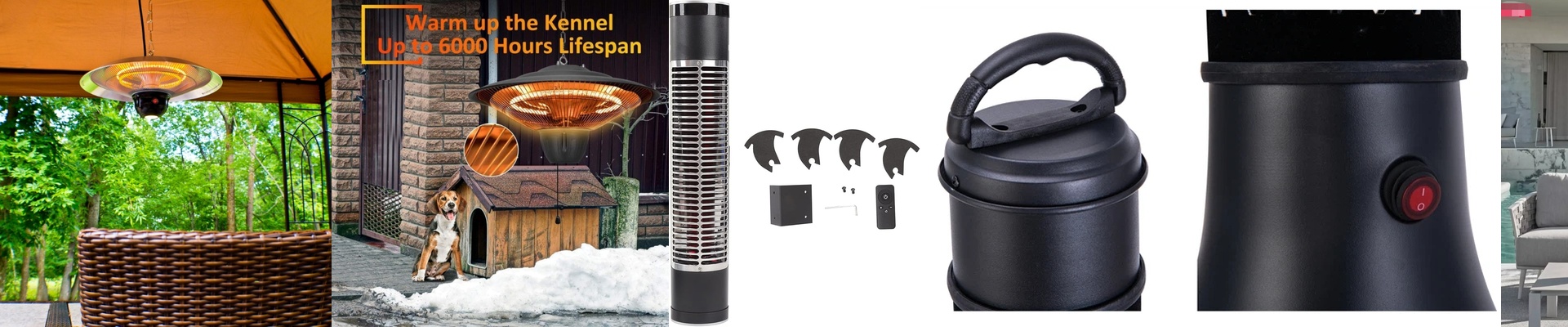
Here’s the core idea: directional heating. An infrared lamp doesn’t just flood a chamber with warm air. It throws a focused beam. To make that happen, we run these lamps at 400V. That high-voltage setup gives you serious power density in a compact package. So you get a lot of heat without needing a giant, power-hungry unit. And the 300mm length? That wasn’t random. It’s sized to slip into the tight spots inside wafer processing gear.
What they’re made of
Inside, you’ve got a halogen-filled quartz envelope. That chemistry keeps the filament clean and stable, so the lamp lasts longer and stays consistent. The quartz glass also handles rapid on/off cycling without cracking—something you see all the time on automated fab lines. The R7s base is there for a reason, too: it’s a secure, high-temperature connection that carries the electrical load reliably. And the whole design drops right in where you need it, so maintenance stays simple.
What it feels like in the fab
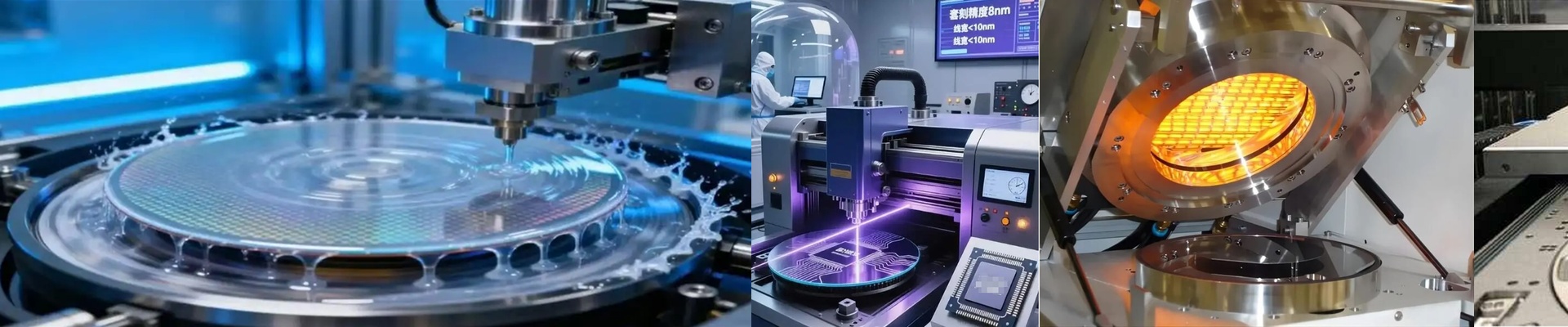
In drying applications, the difference is real. The focused infrared beam dries substrates and cures coatings without turning the surrounding machinery into a furnace. That keeps equipment enclosures from becoming a hot hazard, which protects sensitive electronics and makes the area safer for the people working there. From an energy standpoint, it’s straightforward: you’re only heating the target, not the whole volume. There is one trade-off. Because the power density is high, your machine’s cooling system needs to be properly set up to manage the localized heat. But the payoff is worth it—lower energy use and a safer work environment.