
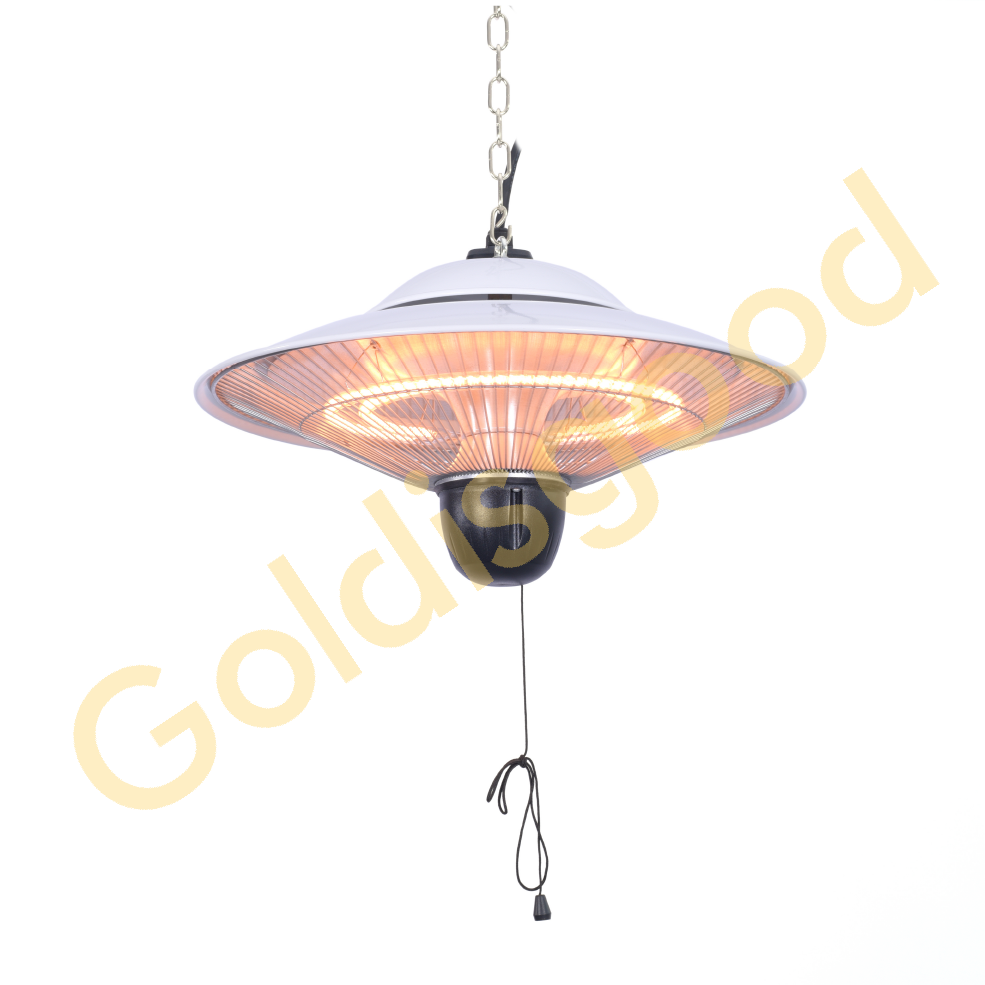
Heating Up Wet Spaces Without the Headache
If you’ve ever tried putting a standard heater in a bathroom or an outdoor shower, you know the struggle. You’re fighting two things: steam and sudden temperature drops. Most infrared lamps just can’t hack it. They flicker, they short out, or worse—they shatter. To keep things safe, we lean on two specific tools: IP66-rated shells and explosion-proof quartz glass.
Why “Explosion-Proof” Quartz?
Here is the thing about glass: it hates being shocked. Imagine a heating element glowing at peak temperature, and then a single, cold drop of water hits it. Crack. That’s thermal shock in action. We use explosion-proof quartz because it’s built for those wild temperature swings. It handles the internal pressure and the external hits without flinching. And if the worst happens and the tube does break? The “explosion-proof” part means the mess stays contained. No flying shards, no scary electrical arcs. Just a controlled failure.
Keeping the Water Out
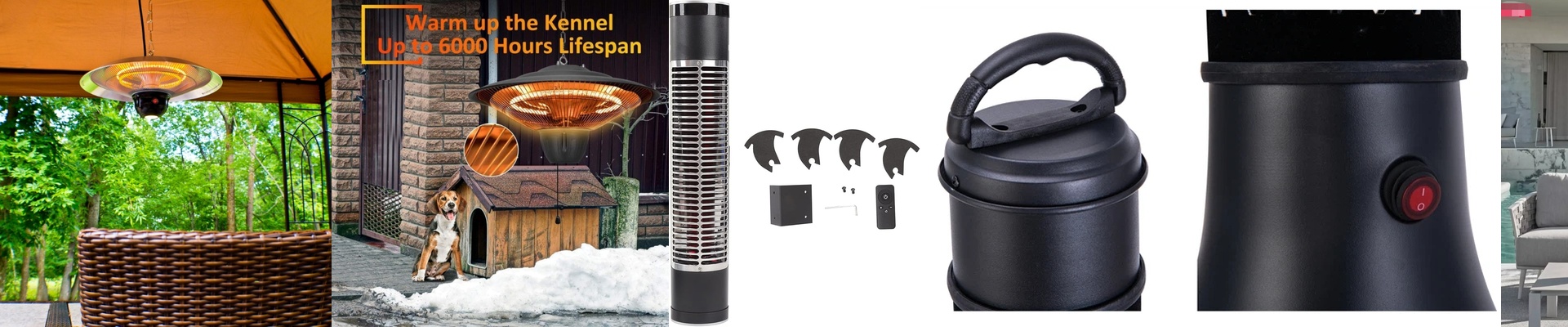
Then there’s the IP66 rating. In plain English? It means the unit is totally dust-tight and can take a direct hit from a powerful water jet. We don’t just slap a cover on the box. We obsess over the gaskets and where the cables enter the housing. If you skip that, moisture just sneaks into the wiring. Once that happens, corrosion sets in, and your heater is basically a paperweight.
The Reality Check
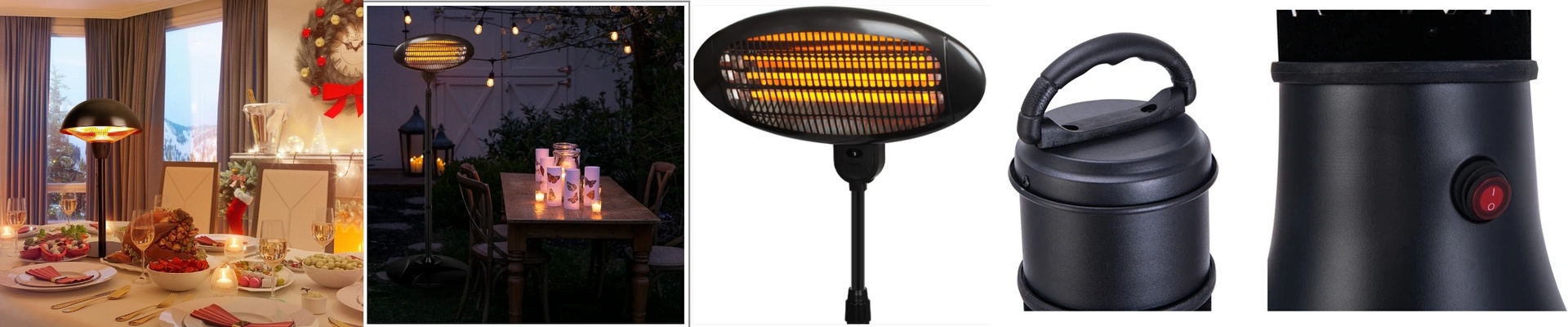
Now, high-density infrared heat is amazing because it’s instant. You feel the warmth the second you flip the switch. But there’s a trade-off. The housing gets hot. Really hot. You can’t just mount these anywhere. You need to give them some breathing room so you don’t accidentally melt a plastic fixture or give someone a nasty burn. By pairing that heavy-duty IP66 shell with reinforced quartz, we take the gamble out of the equation. It’s a simple, hardware-first way to make a dangerous environment feel a lot more comfortable.