
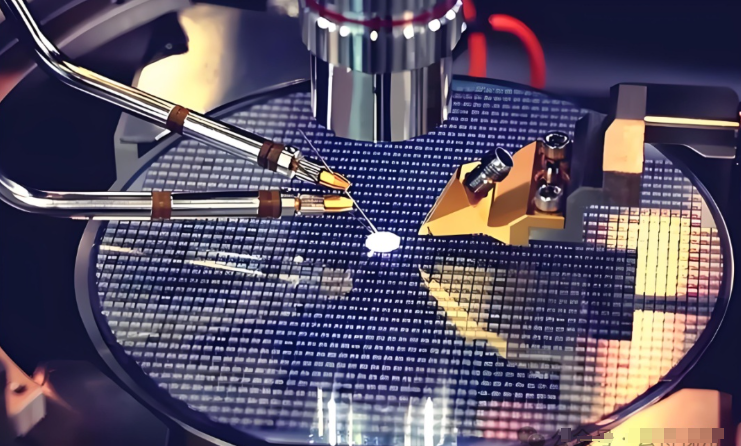
Getting the Gap Right: Infrared Wafer Heating
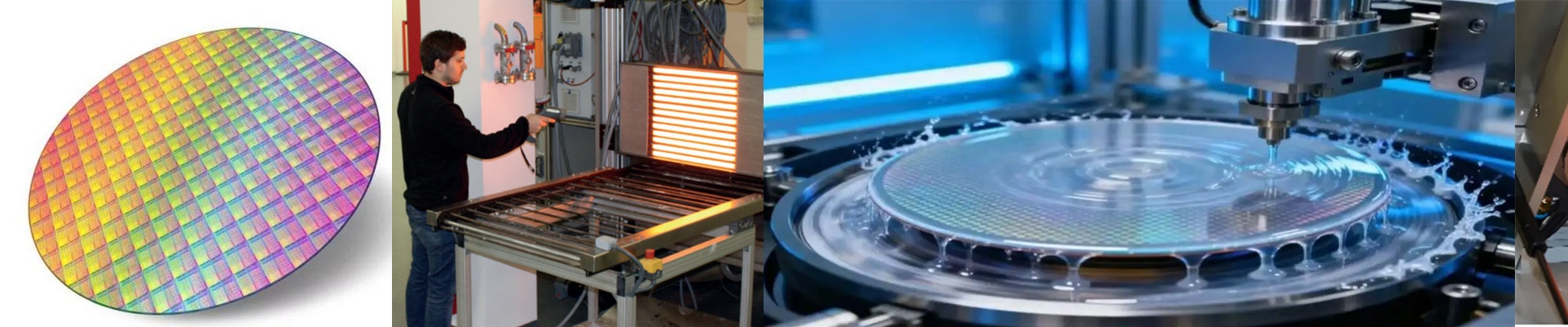
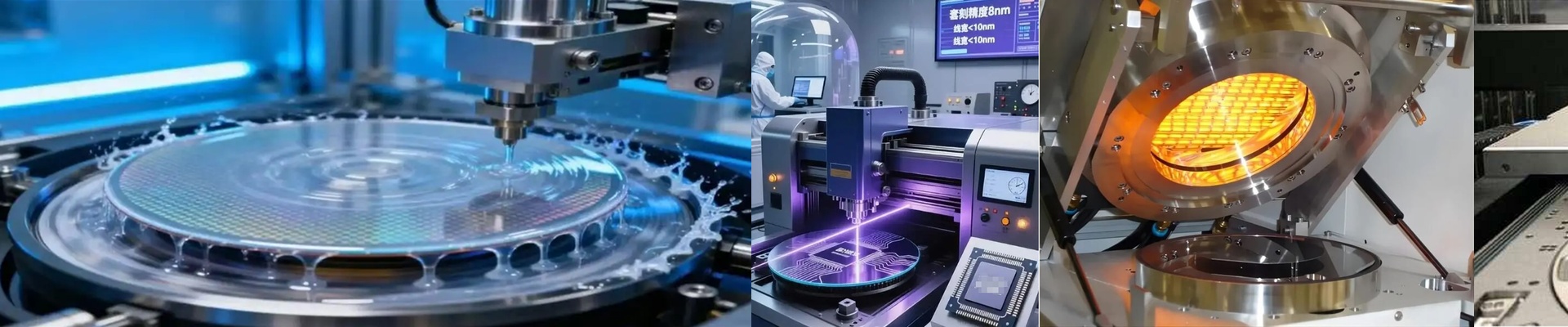
In semiconductor manufacturing, we use short-wave IR lamps to hit those precise temperature ramps. It’s way better than using convection ovens, which just bleed energy. But if you’re trying to run a greener factory and shrink your carbon footprint, you have to get the “safety distance”—that physical gap between the lamp and the wafer—exactly right. The deal with the gap It’s not just about making sure the quartz tube doesn’t actually touch the wafer. It’s all about how the heat moves. If you mount those lamps too close? You’re asking for trouble. You’ll get hot spots that warp the wafer or just burn out the substrate entirely. But if you push them too far back, you’re just heating up the chamber walls. That’s a waste of power and a hit to your efficiency. We usually figure out this distance by looking at the lamp’s wattage and the temperature we’re aiming for. Since short-wave IR cuts deep and fast, we can actually keep the heating zone pretty tight. Cutting the carbon If you want a “green” factory, you have to stop wasting power while the machines are just sitting there. That’s where IR lamps really shine. They kick in almost instantly. You don’t have to keep the whole system idling at high heat just to be ready for the next run. We pair these lamps with closed-loop PID controllers. By tweaking that safety distance and pulsing the power, we can keep things steady without burning through raw electricity. The trade-offs Here’s the tricky part. High-wattage lamps are great for high-throughput lines because they ramp up fast. But that creates a bit of a headache. The more heat density you have, the harder your cooling system has to work to keep the sockets and wiring from frying. And guess what? If you try to crank up the wattage just to make up for a wide safety gap, your lamps won’t last nearly as long. You’ll be replacing them way too often. The move is to double-check your cooling capacity before you decide to tighten that gap.