
Stop Wasting Your Heat: Why Gold-Coated Reflectors Just Work Better
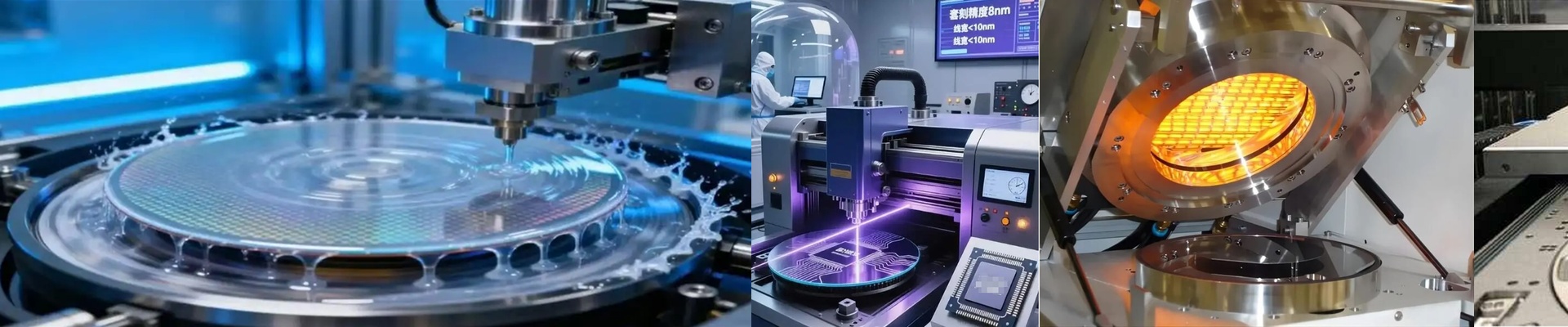
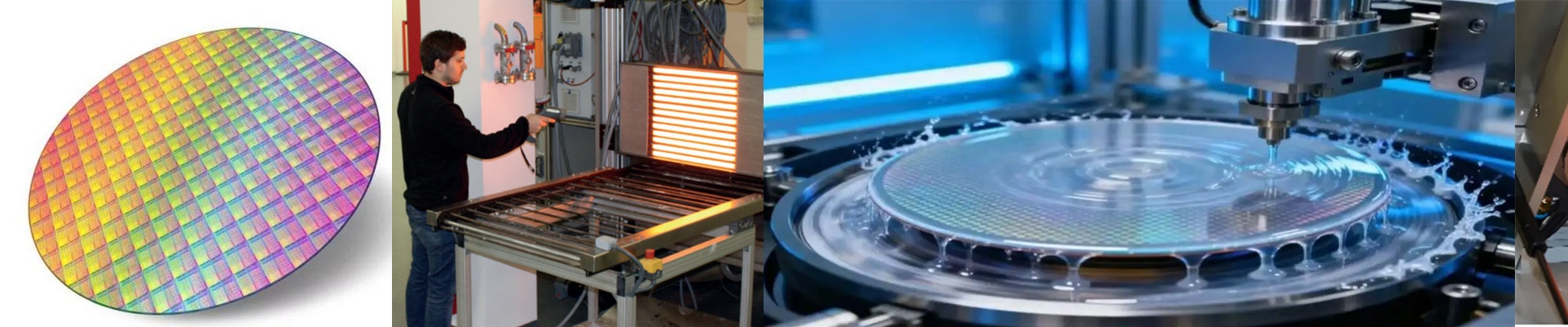
When you’re heating silicon wafers, every single watt matters. But here’s the problem: standard IR lamps are messy. They throw energy everywhere. Instead of hitting your substrate, a huge amount of that power just ends up warming up the machine chassis. It’s a waste of electricity and time. We fixed this by putting high-purity gold coatings into the reflector assembly. It basically forces all that energy to go exactly where it belongs—straight down.
Why gold?
It comes down to the physics of the infrared spectrum. Now, plenty of people use aluminum reflectors because they’re common. But aluminum starts to struggle and lose efficiency as things get hot. Gold doesn’t do that. It stays highly reflective across a much wider IR wavelength. This lets us squeeze the radiation into a tight, focused beam. You get a much stronger heat flux on the wafer surface, but you aren’t actually pulling more power from the wall. It’s just smarter.
Balancing the heat
The goal here is to make the radiation “effective.” We tweak the focal point of the gold reflector so the energy hits the wafer evenly. If you don’t get this right, you get hot spots. And hot spots are a nightmare—they warp your wafers or mess up your dopant activation. But a word of caution: this kind of focusing creates some intense localized heat. You’ve got to make sure your cooling manifold can actually handle it. If the reflected heat coming off the wafer or the soak in the lamp housing has nowhere to go, you’re going to burn through your lamp filaments way faster than you should.
Putting it into practice
The best part? These units are basically drop-in replacements for your standard IR arrays. We kept the footprint tight so they slide right into your existing vacuum or atmospheric chambers without a fuss. Once you switch to gold, you’ll notice the ramp-up time to your target temperature drops. Your cycle times get shorter. Plus, your power supplies can finally take a breath because you aren’t over-driving the lamps just to make up for lost energy.