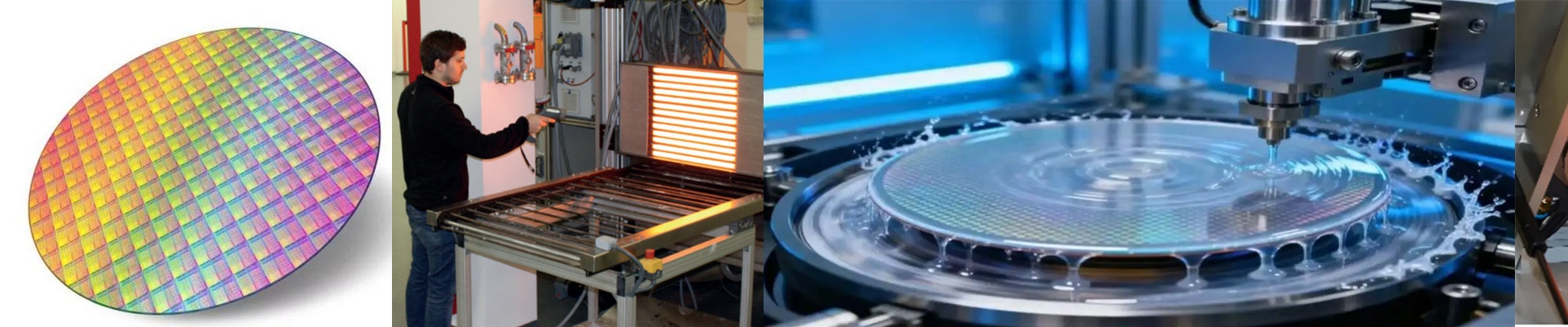
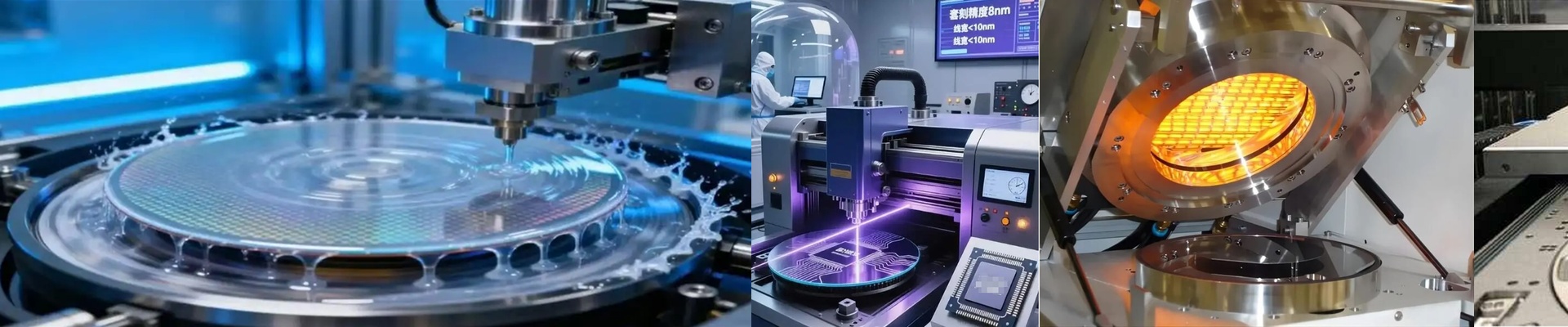

Keeping Your Hydrogen Sensors Spotless
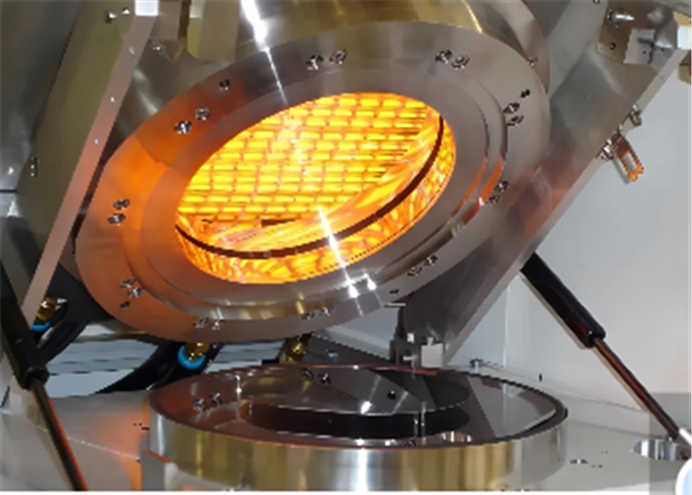
If you’re working in a Class 100 cleanroom, you already know the nightmare: one tiny speck of dust or a bit of off-gassing from a heater and your whole batch is trash. It’s frustrating. You spend hours on a sensor only to have its sensitivity tanked because your heating element decided to flake. That’s why we use high-purity quartz IR lamps.
Why quartz actually works
Most heaters use alloys or ceramics. The problem? When they get hot, they tend to shed particles or release gases. Not great when you’re chasing zero contamination. We use fused silica instead. It’s a beast when it comes to heat. It doesn’t crack when you cycle the temperature up and down quickly, and it simply doesn’t shed. Plus, the IR radiation goes straight into the substrate. You don’t need forced air to move the heat around, which means you aren’t accidentally blowing dust all over your workspace.
Built for the real world
We designed these lamps to just… work. They slide right into your existing fabrication lines. We flame-polish the quartz envelope so the surface is smooth as glass. No irregularities, no nooks for contaminants to hide in. We also ditched the cheap resins and adhesives. Everything is vacuum-tight. The best part? You get a really tight heat profile. You can hit the exact spot on the sensor wafer you need without cooking the housing around it.
A few things to keep in mind
Look, quartz is amazing, but it’s brittle. It can handle the heat, but it can’t handle a hit. If you drop it or bang it against something, it’s gone. Make sure your mounting brackets have some dampening to soak up the vibrations. And if you’re running high wattage to speed up your curing, keep an eye on your cooling. If the ends of the lamp get too hot for your wiring, you’ll fry your connectors. To make things easier, we provide precision-fit ends. They slide into your fixtures smoothly, so you don’t have to worry about scratching the surface during setup.