
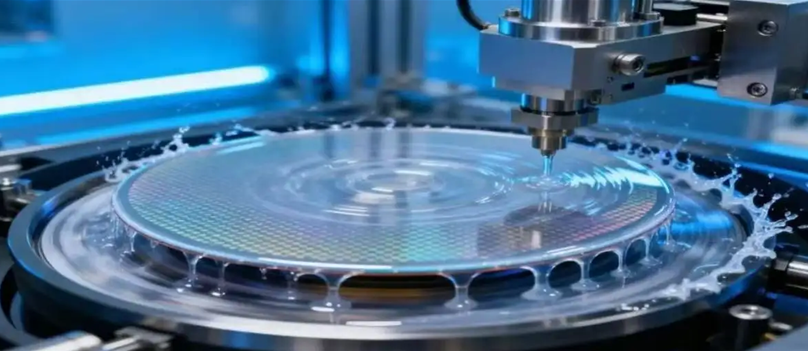
Stop Your IR Lamps from Ruining Your Wafers
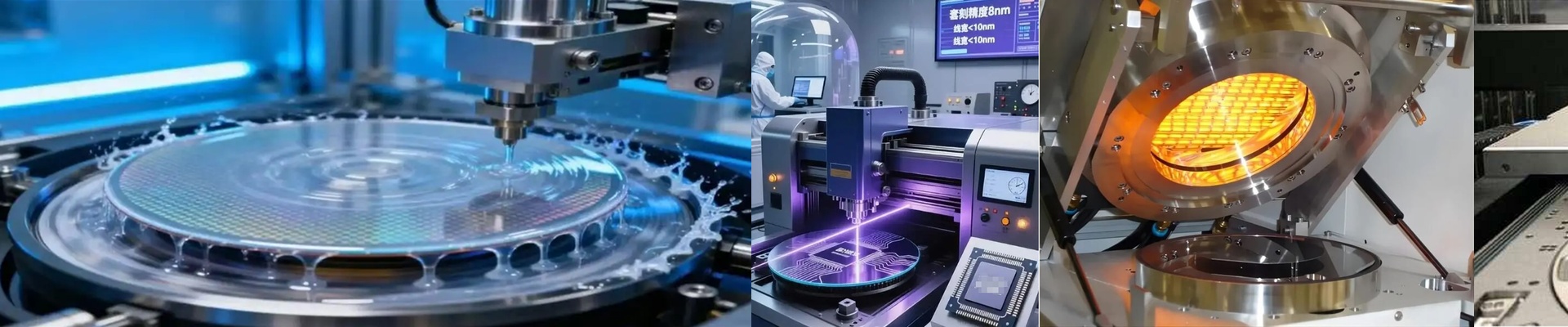
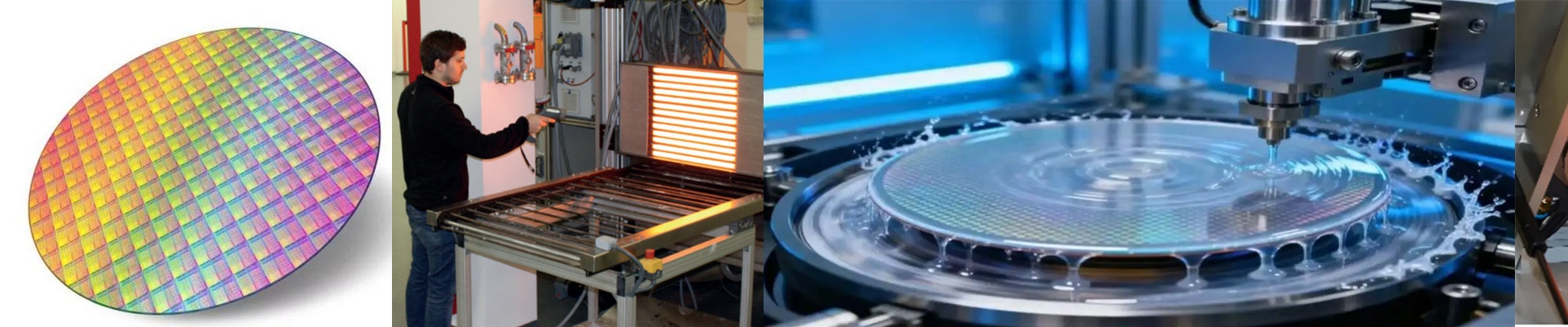
In a high-load semiconductor setup, a blown IR lamp isn’t just a “down-time” headache. It’s a nightmare. When a quartz tube pops, you’ve got glass shards and tungsten filaments raining down directly onto your wafers. It’s a mess, and it’s expensive. That’s why we build our heating systems to kill that risk before it even happens. The trick is in the reflector. We use high-purity aluminum, and it does a couple of jobs at once. First, it bounces that IR radiation right back toward the wafer, which keeps your power bills from spiking. But more importantly, it’s a shield. By tucking the lamp into a precision-machined aluminum cavity, we keep most of the debris trapped inside if a tube goes. You get a tighter heat profile and a safety net, all in one piece of metal. Handling the heat High-wattage lamps get incredibly hot. If your cooling isn’t up to the task, that quartz tube is going to suffer thermal shock and crack. Simple as that. To fight this, we use reinforced quartz glass that can actually take the beating of these cycles. We’re also obsessive about mounting tolerances. If the tube even brushes against the reflector, you get a hot spot. And hot spots are basically invitations for the lamp to fail early. Let’s be real: nothing is 100% fail-safe. Even with a great reflector, you still need a solid clean-room routine. You’ve got to keep an eye on your lamp hours. As a tube ages, the filament thins out. That’s when the risk of a burst really climbs. We usually suggest swapping them out every 2,000 to 5,000 hours, depending on your wattage. It’s a lot easier to schedule a quick change than to deal with a catastrophic failure in the middle of a run. Oh, and make sure your fuses are right. Voltage spikes are the fastest way to pop a tube, and nobody has time for that.