
Stop Lamp Bursts from Killing Your Yield
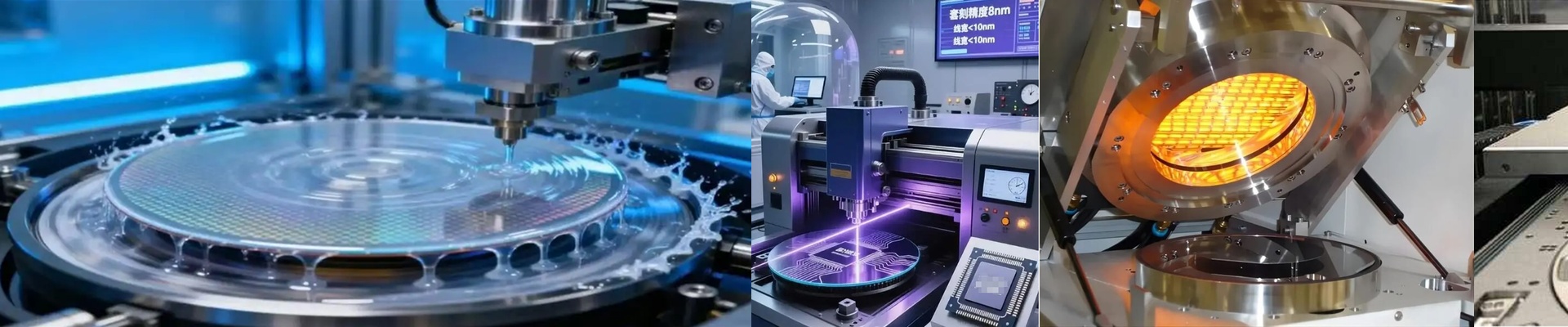
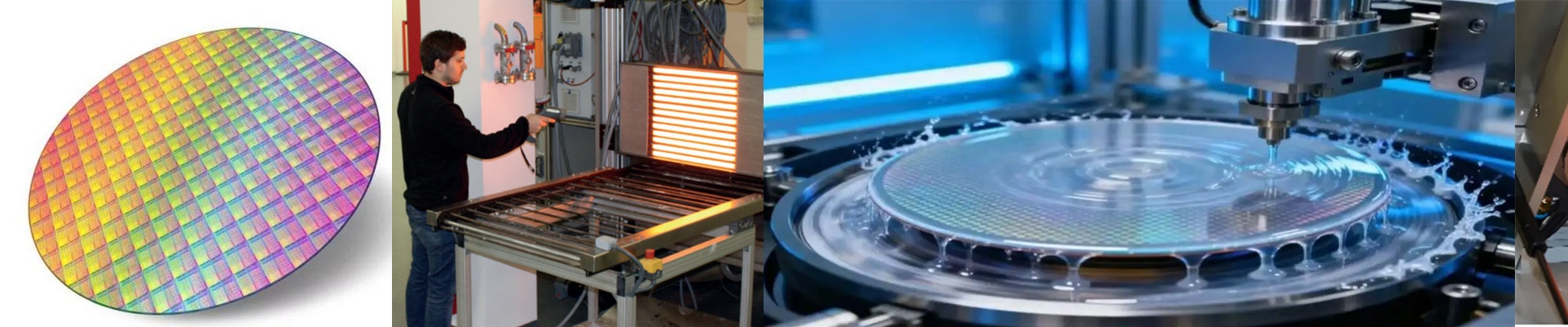
In a semiconductor fab, a lamp bursting is more than just a nuisance. It’s a nightmare. When a quartz tube gives out under a heavy load, you aren’t just dealing with a dead bulb. You’ve got glass shards and tungsten filaments raining down directly onto your wafers. It’s an instant contamination event. That’s exactly why we build our infrared curing lamps with a “safety first” mindset. We want to make sure that if something goes wrong, your product doesn’t pay the price. The real culprit: Thermal Stress Running a high-load production line pushes these lamps to the brink. You’re constantly swinging between peak power and standby, which creates these massive temperature jumps. That stress causes micro-cracks in the quartz. If the tube isn’t a perfect match for your line’s wattage and voltage, it’s going to burn out way too soon. To fix this, we use high-purity fused quartz. It’s tougher and handles those wild temperature swings without cracking under pressure. Keeping the mess contained We don’t just hope the tube holds up. We add a backup plan. Our lamps come with a protective containment system—usually a high-transmittance quartz sleeve or a specialized safety mesh. Think of it as a shield. If the inner lamp pops, the sleeve catches the debris. You won’t have to shut everything down for a massive cleanup the second a bulb fails, which means your line stays moving. The trade-off (Because nothing is free) Here’s the honest part: adding a shield does cost you a little bit of heat. Because you’re adding another layer, you’ll see a slight dip in IR transmission—usually between 3% and 7%. It’s not a dealbreaker, but you’ll notice it. You might need to tweak your dwell time or bump up the power a notch to keep your curing profile exactly where it needs to be. Getting it into your line We designed these to be simple drop-in replacements. Whether you’re using shortwave or medium-wave setups, they’ll fit right into your existing racks. Just one tip: check your cooling fans. The safety sleeve traps a bit of extra heat, so make sure your airflow can handle it. Otherwise, you might overheat the lamp ends, and we’re right back where we started.