
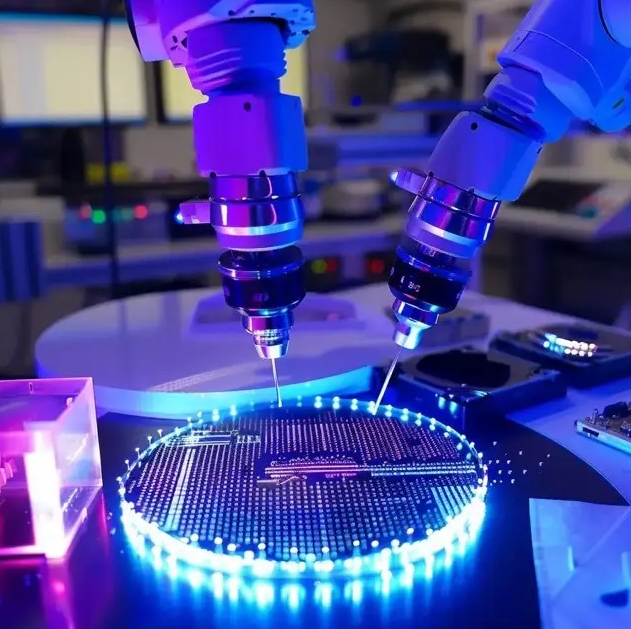
Cleaning Up the Heat: Why Ozone-Free IR Just Makes Sense
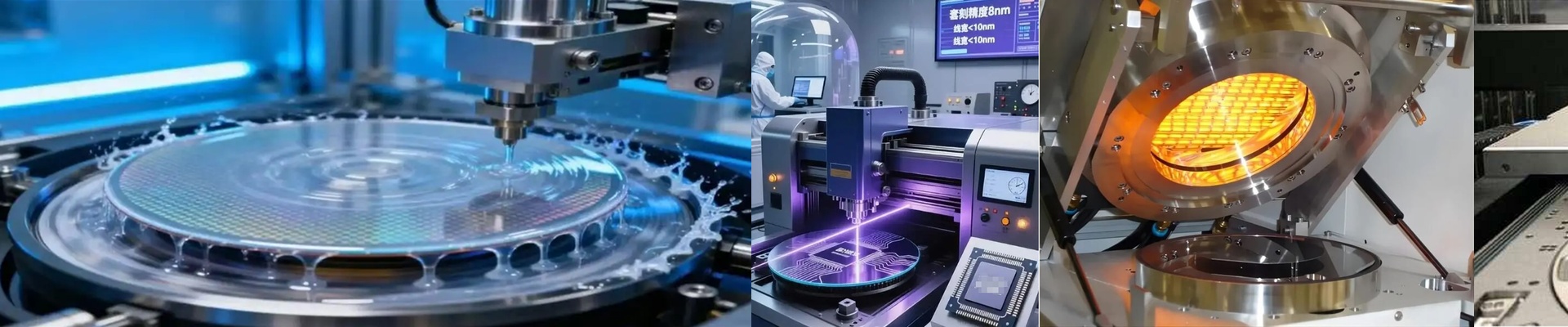
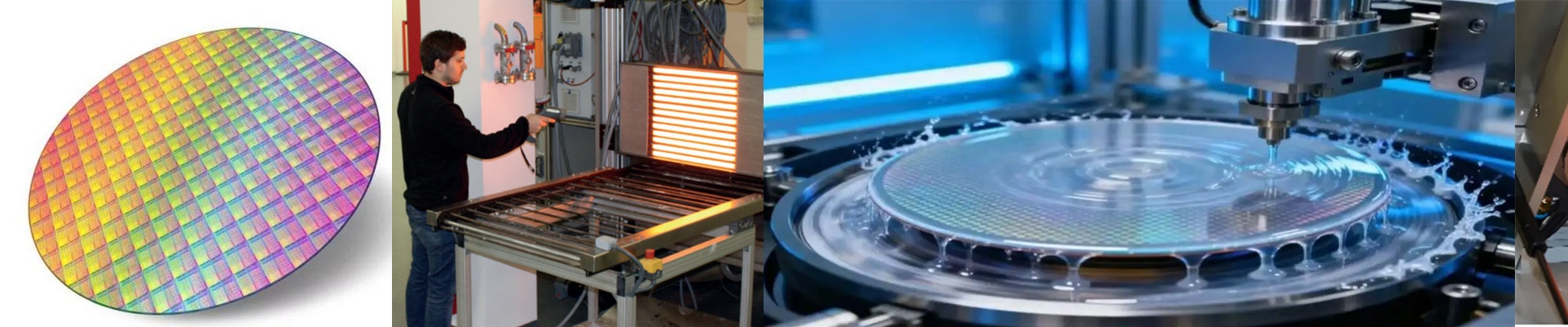
Getting your thermal ramping exactly right in semiconductor fab is a pain. Usually, you’re stuck choosing between hitting your temperature targets and dealing with a massive environmental headache. We decided to fix that by using ozone-free infrared (IR) lamps. It’s a simpler way to get the heat you need without all the baggage.
The Problem with “Standard” Light
Here’s the thing: most shortwave IR lamps spit out radiation in the 185nm to 254nm range. That might sound like a boring technical detail, but it’s actually a problem. That specific light turns the oxygen in your air into ozone. Ozone is nasty. It’s a greenhouse gas, and it eats away at your cleanroom hardware. Not ideal. To stop this, we use specialized quartz envelopes and internal coatings. They act like a filter, blocking those problematic wavelengths. You still get all the thermal energy you need for baking or curing your wafers, but you stop the ozone before it even starts.
Power, Speed, and the “Heat Soak” Struggle
We like to push a lot of wattage into short tubes. Why? Because high-density IR arrays heat up fast. Really fast. This means you spend fewer kilowatt-hours per wafer, which is a win for everyone. We also wire these systems for quick response times so you don’t accidentally blow past your temperature setpoints. But there’s a catch. When you cram that much energy into a small space, your chassis takes a beating. If your cooling fans or heat sinks aren’t up to the task, you’re going to have problems. I’ve seen it happen—if the airflow is weak, the seal ends overheat, and your lamp life plummets. You have to get the cooling right, or you’re just wasting money.
What This Actually Does for Your Floor
The best part is what happens to the rest of your factory. Once you go ozone-free, you can literally rip out those heavy, clunky exhaust scrubbing systems. That takes a huge load off your HVAC and drops the total energy draw of the whole building. It’s a simple swap. You take out the polluting old gear, drop this in, and keep your throughput exactly where it needs to be—just with a much smaller carbon footprint.