


Why we’re swapping out old lamp heaters for high-IP infrared ones
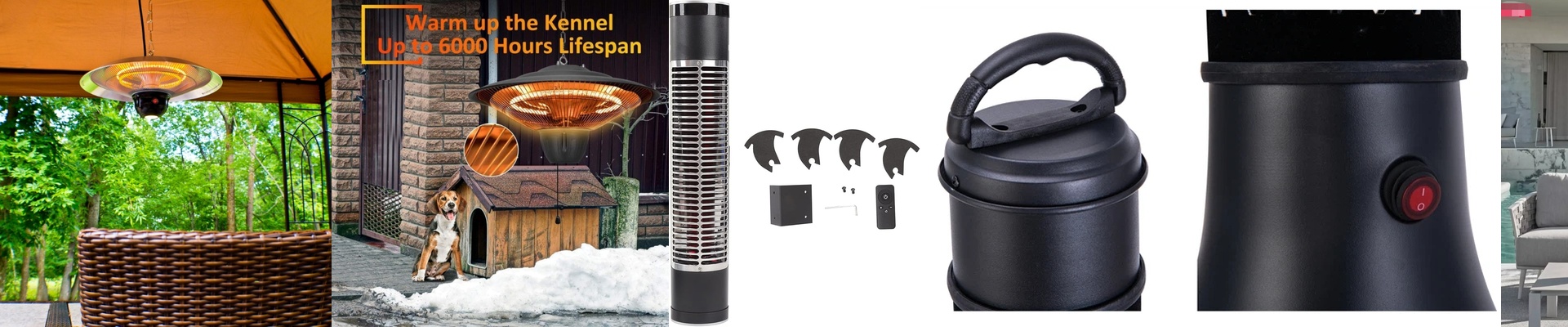
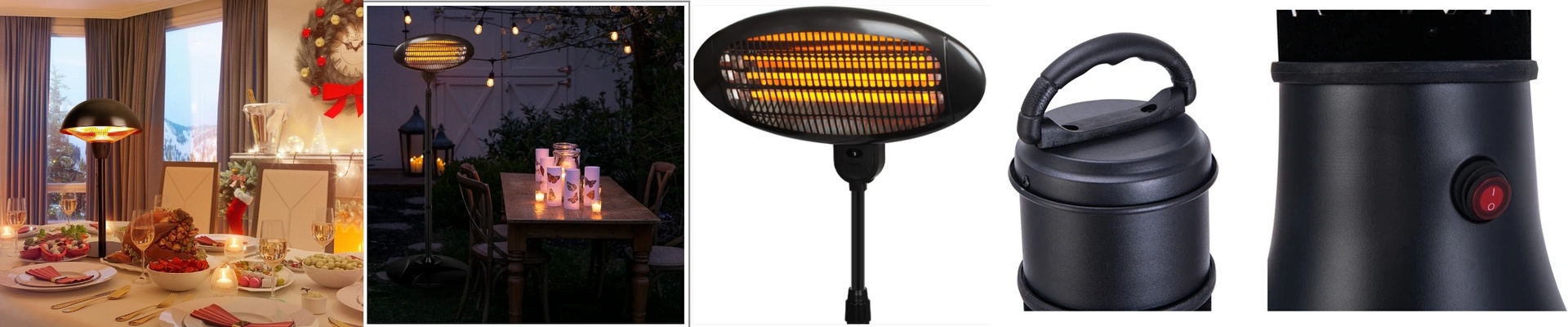
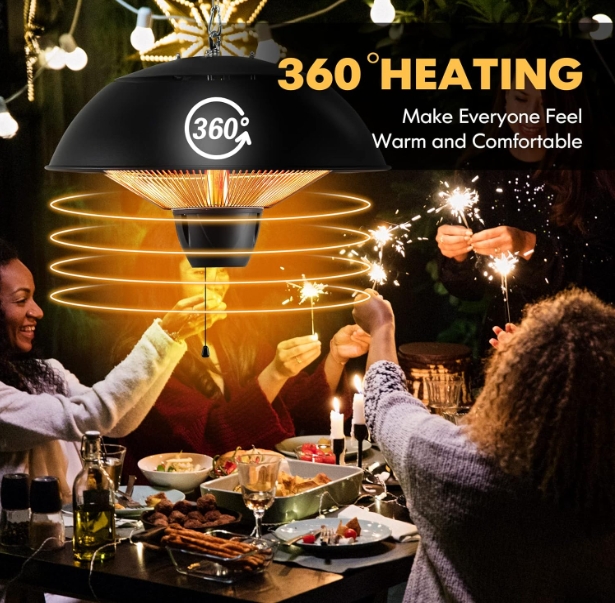
If you’ve ever used one of those old-school lamp heaters in a bathroom or a gazebo, you know the drill. They work for a while, and then—boom—they just quit. Usually, it’s because steam or a bit of rain sneaks into the housing and fries the electronics. It’s frustrating. That’s why we’re seeing a big move toward 1500W infrared ceiling heaters with high waterproof ratings. They just make more sense for these kinds of spaces. The magic of radiant heat Here is the thing about 1500W radiant heat: it doesn’t waste time. Traditional heaters try to warm up all the air in the room. But in a gazebo or a bathroom with a vent running, that warm air just disappears. It’s like trying to fill a bucket with a hole in the bottom. Infrared is different. It beams heat directly onto you and the objects around you. You flip the switch and you feel it immediately. No waiting around for the room to “warm up.” You’re just warm. Dealing with the damp Water and electricity are a bad mix. Plain and simple. Standard heaters usually have gaps where moisture can creep in, leading to corrosion or a short circuit. We look for units with high IP (Ingress Protection) ratings because they’re basically sealed shut. It means the internals are safe from steam, splashes, and humidity. You can actually trust the thing not to give up the ghost the first time you take a hot shower or have a rainy afternoon on the porch. A few things to keep in mind Putting these in the ceiling is the way to go. It keeps them out of the way and saves floor space. Just a heads-up: check your breaker. 1500W is a decent pull, so if you’re installing three or four of these in one area, make sure your wiring can handle the load. There is one quirk, though. Infrared is very directional. You’ll feel a cozy, intense heat right under the lamp, but if you step a few feet to the side? You might hit a cold spot. It’s not a dealbreaker, but you have to be smart about where you place them. If you space them too far apart, you’ll end up with “warm zones” and “cold zones,” which is a bit annoying. Map out your ceiling layout first, and you’ll be golden.