
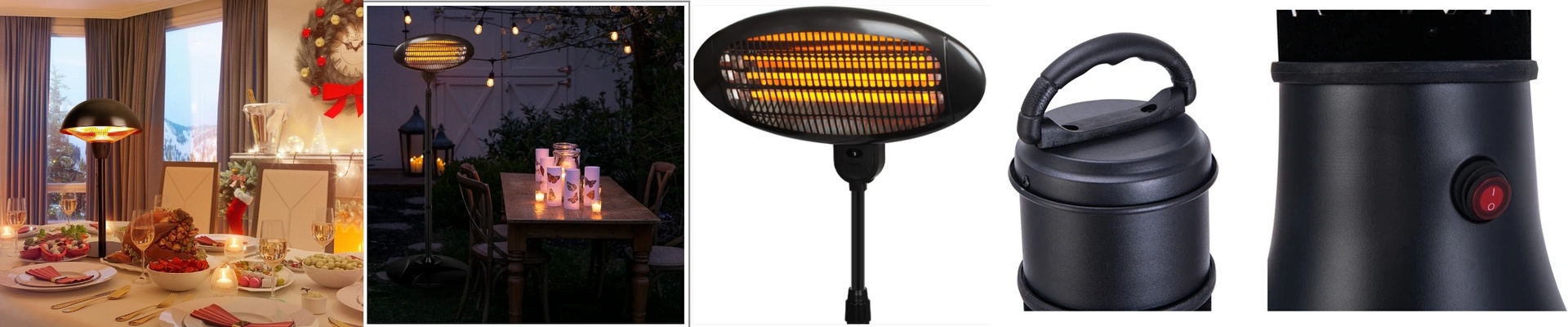
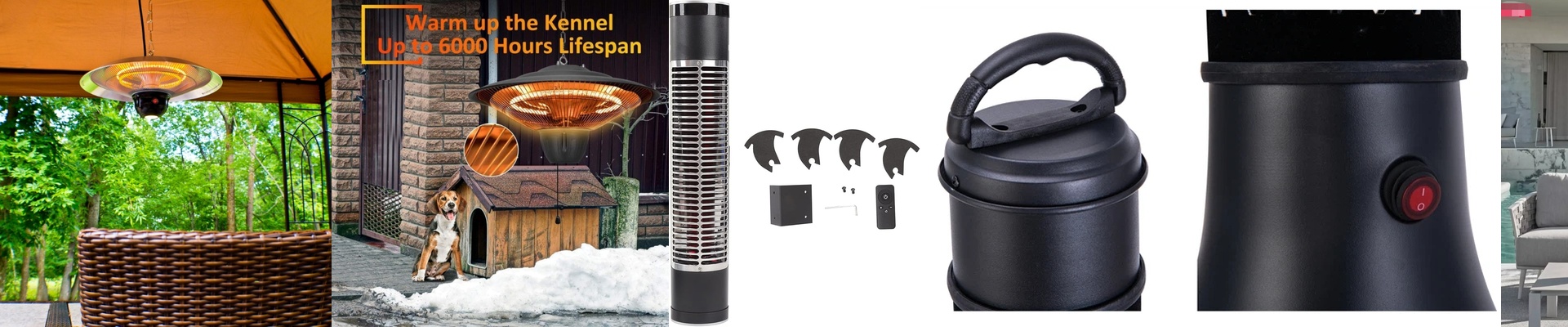

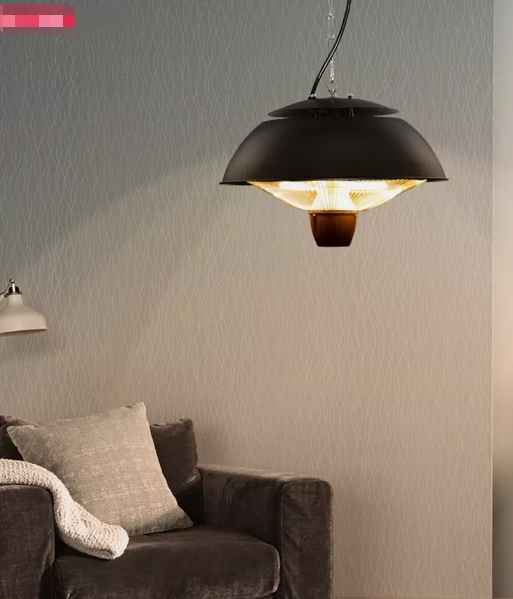
Making Ceiling Heaters That Won’t Blind You
Most industrial radiant heaters are basically heat cannons. They blast a massive wave of energy into a room, which works great for a freezing warehouse floor. But you can’t just slap that same tech into a bathroom or a baby’s nursery. The glare is just too much. Nobody wants to feel like they’re staring into a landing strip while they’re trying to relax in a bath or put a kid to sleep. The trick is figuring out how to keep the warmth without the blinding light. Dealing with the glare Standard short-wave lamps are aggressive. They put out a ton of high-intensity visible light that can strain your eyes—and for infants, whose retinas are way more sensitive, it’s a real problem. To fix this, we use specific gas fills and coatings to scrub out those harsh blue and violet wavelengths. We’re basically shifting the energy. By focusing on the mid-to-long wave IR bands, the heat stays strong, but the light stays low. It gives you that soft, cozy glow. It’s not a magic trick; it’s just a bit of physics to change how the light behaves. Warm skin, dim eyes It’s all a balancing act. We want your body to soak up the heat quickly, but we don’t want you squinting. We use quartz glass mixed with certain “dopants” that act like a filter. Think of it as a pair of sunglasses for the heater. You still feel that deep, radiant warmth on your skin, but the light hitting your eyes is dialed way down. The trade-off Now, here’s the catch. Filtering that light isn’t free. When you block the visible spectrum to protect your eyes, you lose a tiny bit of efficiency. Some of that heat just doesn’t make it through the filter. Because of that, we usually bump up the wattage a bit. If we didn’t, the room wouldn’t warm up fast enough, and you’d be left waiting in the cold. By adding a little extra power, we compensate for the filter and get the temperature exactly where it needs to be.