
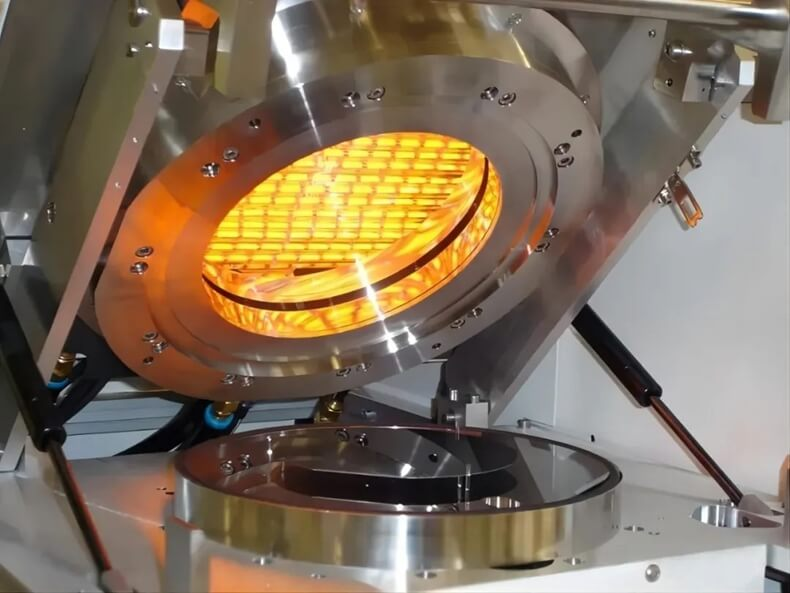
Keeping Things Safe When Using Infrared Heat in Explosive Zones
Let’s be honest: putting infrared heaters inside a vacuum chamber full of flammable chemicals is a nerve-wracking prospect. One tiny spark or a cracked quartz tube, and you’re not just looking at a failed batch—you’re looking at an explosion. It’s a high-stakes environment. The way to sleep better at night is to stop using open-element lamps. Instead, we move toward specialized encapsulated systems.
How the Encapsulation Actually Works
With a standard lamp, that quartz envelope is just sitting there, exposed to everything. In a chemical setup, that’s a recipe for disaster. We fix this by wrapping the heating element in a second, chemically resistant barrier. Think of it as a protective shell. It keeps those volatile vapors from ever touching the hot quartz surface. And the seals? We don’t mess around with those. We use high-grade materials at the feed-through points to keep the vacuum tight. This keeps gas from leaking into the lamp housing and stops electrical arcs from jumping to the chamber walls. No surprises.
Dealing with Heat and Voltage
Heating things up in a vacuum is a different beast because you don’t have air to move the heat around. You’re relying entirely on radiation. Because of that, we spec the lamps to handle the specific thermal load of your process. If you don’t, the filament will just burn out. Here is a pro tip:Match your power supply to the lamp’s voltage exactly. It’s tempting to over-volt the system just to get things to warm up faster, but that’s a shortcut to a dead filament. Stick with a precise PID controller. It keeps the temperature steady and prevents that dreaded thermal overshoot.
The Trade-offs You Should Know About
Nothing is perfect. Adding that protective layer means there’s a bit more distance between the heat and your part. You’ll notice a slight dip in efficiency compared to a bare lamp. To make up for it, you might need to bump up the wattage or just give the parts a bit more soak time to hit your target temperature. One last thing—watch your wiring. Make sure your cables are rated for the heat inside the chamber. If you use cheap insulation, it’ll melt, short out, and blow right through your safety seals. Not worth the risk.